
By Matthews Otalike, The Searchlight Investigative Desk / November 19, 2026
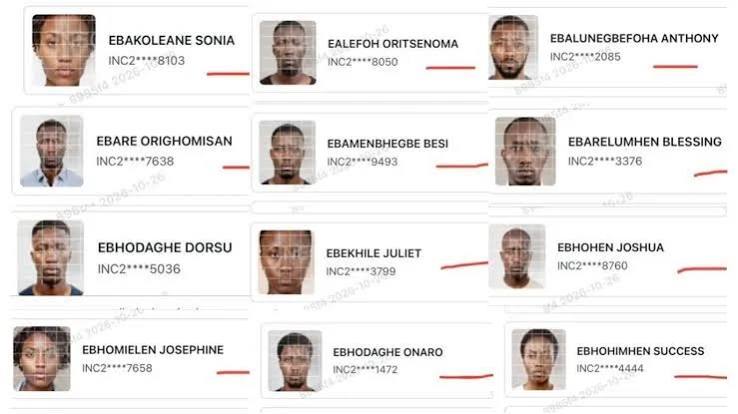
The Independent National Electoral Commission (INEC) is asking Nigerians to trust a voter register it says it has purged of over 1.6 million fraudulent entries. Yet, it is refusing to name or punish the insiders who created them, and is simultaneously dismantling the very layer of the IReV portal that allowed the public to verify whether polling-unit figures survived the journey through ward, local government, and state collation. Each decision, taken alone, is a transparency problem. Taken together, they form a structural advantage for anyone seeking to manipulate the 2027 general elections.
The 1.6 Million Ghosts and the Unnamed Gatekeepers
INEC Chairman Prof. Joash Amupitan announced that the commission had removed 1,609,553 records from the national voters’ register following the 2025/2026 Continuous Voter Registration exercise, comprising 1,608,660 confirmed invalid registrations and 873 verified deceased persons. The commission identified 54 personnel across 10 states allegedly involved in registration irregularities and promised “administrative disciplinary measures and possible prosecution”.
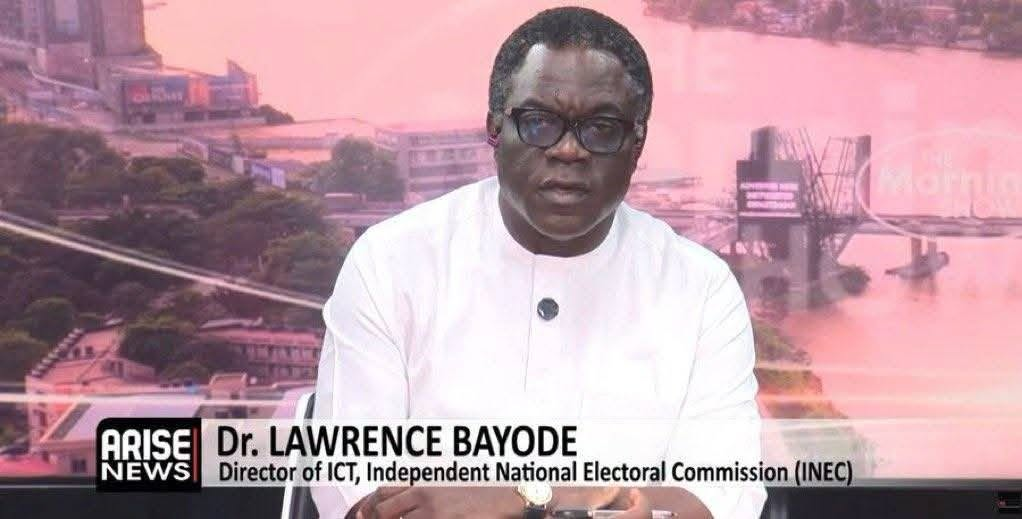
But the admission that matters most came from INEC’s Director of ICT, Dr. Lawrence Bayode. He confirmed that the fraudulent records, including AI-generated photographs and profiles created by abusing the special registration provision for persons with disabilities, were introduced by internal officials using their own login credentials. On national television, Bayode said the commission knew who had done it and how they had done it.
Yet not one name has been made public. No official has been arrested. No prosecution has been announced. More than a week after INEC promised sanctions, The Point reported that the commission was “silent on the whereabouts” of the 54 suspected officials, with no public arrest or commencement of criminal prosecution. The Daily Trust noted there was “no clear indication that those implicated had been suspended or handed over to the police”. The insiders who used their access to inject fake voters into the system remain inside INEC, with the institutional knowledge of exactly how the system was breached.
This is not accountability. It is containment. Nigerians are told that 1.6 million fraudulent records were found and removed, but they are given no independent forensic audit, no court process, and no named individuals to hold responsible. The message to INEC staff is unmistakable: if you are caught manipulating the voter register, you may be “identified,” but you will not be named, and you will not be punished while the next election cycle begins.
IReV Without Collation: Transparency That Stops Where It Matters

INEC’s second decision is even more consequential. The commission has confirmed that it cannot and will not upload results from ward, local government, and state collation levels to the IReV portal for the 2027 general elections. ICT Director Bayode told a Yiaga Africa stakeholder roundtable in Abuja that “we have not built the system; we have not tested the system”. Only Form EC8A, the polling-unit result sheet, will be published. Forms EC8B, EC8C, and EC8D, which record collated figures at the ward, LGA, and state levels, will remain off the public portal.
This is precisely the layer of verification that the 2023 experience showed Nigerians need. Yiaga Africa’s Executive Director, Samson Itodo, noted that while polling-unit results are uploaded, the commission’s back-end validation process is not publicly understood, and the absence of ward and LGA collation results makes independent verification of the collation process difficult. Stakeholders at the roundtable argued that publishing the additional forms would enable the public to compare polling-unit figures with those recorded at subsequent levels and identify where discrepancies emerge.
INEC has chosen not to build that capability. The commission’s explanation, that the system has not been developed or tested, invites an obvious question: why not? INEC has had since 2023 to prepare for 2027. It has introduced new technical safeguards to prevent inaccurate results and over-voting figures from reaching IReV. But this is a promise, not a transparency mechanism. The public will see only what INEC’s internal validation system allows it to see. If a figure is altered between the polling unit and the ward collation centre, or between the ward and the LGA, or the LGA and the state, there will be no public record of the intermediate stages to expose the discrepancy. The very stage where manipulation is most likely to occur will be the stage least visible to citizens, observers, and opposition parties.

Former INEC Commissioner Festus Okoye has drawn a distinction between “transmitting results to the next level of collation” and “uploading polling unit results onto IReV,” noting that the two are governed by different provisions of the Electoral Act. That legal distinction is real, but it is precisely why the absence of collation-level uploads matters. The Act may not require it, but transparency does.
The Legal Shield: Discretion, Not Mandate
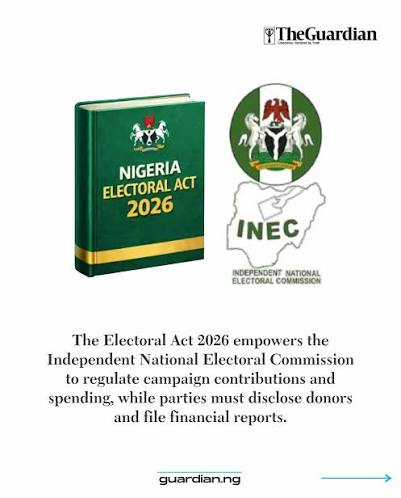
INEC’s defenders will point to the Electoral Act. Section 60(5) states that “the presiding officer shall transfer the results… in a manner as prescribed by the Commission”, language that gives INEC complete discretion over how results move from polling units to collation centres. The law uses the word “transfer” rather than any specific method of transmission, and it makes no mention of electronic systems, the internet, or IReV. Section 50(2) reinforces this discretion.
This is the legal shield INEC can hide behind. But it is also the indictment. The 2023 elections exposed the consequences of that discretion: when disputes reached the Supreme Court, the justices ruled that electronic transmission was unknown to law, and because the Electoral Act did not mandate it, courts could not compel INEC to rely on electronically transmitted results over manual paper forms. Nigeria had invested in technology and raised citizens’ expectations about transparency, but the legal framework made electronic transmission optional rather than mandatory.
A proposed reform would have changed this; a new Section 60(3) requiring mandatory electronic transmission, explicit reference to the IReV portal, and real-time upload while witnesses remained present at polling units. That proposal would have closed the window for alteration during transportation to collation centres. It was not enacted in time for 2027. INEC is now operating under a framework that permits it to publish only what it chooses, at the level it chooses.
Two Doors, One Direction
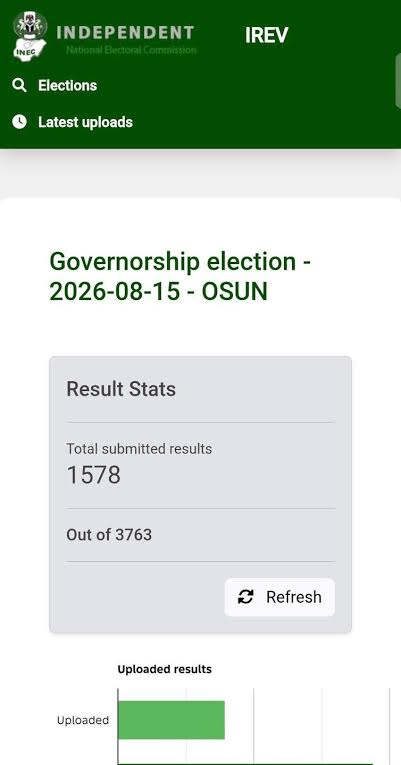
The fake-voter scandal and the IReV collation gap are not separate failures. They are two expressions of the same institutional logic: INEC is willing to announce that problems exist, but unwilling to subject itself to independent verification or meaningful accountability.
In the voter-register case, the commission says it has removed the fraudulent entries but will not name or prosecute the insiders who created them. In the results case, the commission says it will prevent inaccurate figures from reaching IReV but will not publish the collation-level figures that would allow the public to check whether its prevention worked.
Both decisions ask Nigerians to trust the referee’s internal review while denying them the replay. Both create conditions in which manipulation becomes harder to detect, not because the technology is absent, but because the political will to deploy it transparently is absent. The 2027 general elections will be conducted on a voter register that was manipulated from within, by officials who remain in place, and on a results architecture that will publish polling-unit sheets but not the collation figures that determine the final outcome.
Until INEC names and prosecutes the insiders, submits its register cleanup to independent forensic audit, and builds the collation-level upload capability it says it lacks, the commission’s assurances will remain what they have been for too long: statements of intent, not evidence of integrity. Nigerians deserve more than a cleaned register and a half-open portal. They deserve a process they can verify.


Leave a Reply