
By The Searchlight Investigation Desk / November 07, 2026
A viral video that has been circulating on Facebook has reignited one of the most explosive, and least investigated, allegations in Nigeria’s recent electoral history: that the Independent National Electoral Commission (INEC) registered non-Nigerian voters, specifically Fulanis from the Republic of Chad and other West African nations, to fraudulently boost the electoral fortunes of the All Progressives Congress (APC) and its then-presidential candidate, Muhammadu Buhari. The admission in the video, which The Searchlight has reviewed but cannot independently verify beyond its public circulation, is being treated by critics as the missing corroborative link in a chain of allegations that stretches back nearly a decade.
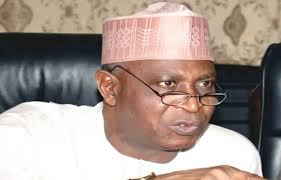
At the centre of this controversy is Alhaji Abubakar Kawu Baraje, a founding member of the APC who later returned to the Peoples Democratic Party (PDP). In 2021, during events marking his 70th birthday in Ilorin, Kwara State, Baraje publicly alleged that the APC facilitated the importation of Fulanis from neighbouring countries, including Mali, Sierra Leone, Senegal, Niger, and Chad, for “election purposes” in 2015. According to him, these foreign elements were brought in to “help facilitate victory” for the party, and after the election, “the Fulani have refused to leave,” a development he linked directly to the country’s escalating insecurity. Baraje claimed that he and other “like minds” had warned those with whom they started the APC, “but nobody listened”.
Baraje’s disclosure was not a fleeting remark. It was reported by multiple outlets and later amplified by investigative platforms, which noted that the former PDP national chairman had admitted that “foreign Fulani fighters were brought into Nigeria for the 2015 general elections” and that “armed foreign elements were deliberately imported from neighboring countries. Crucially, Baraje’s allegation was not merely about militants disrupting the election; it was about electoral logistics, the movement of people across borders for the specific purpose of voting.
Yet, the official record has been clouded by a subsequent denial. In 2022, Baraje issued a statement insisting he never said the APC imported “Fulani militias” to disrupt the 2015 elections, describing the reports as “fake news” and the handiwork of “mischief makers”. He maintained that what he said at a 2019 press conference was that the APC “prepared all manners of scandals” to ensure that if it did not win, Nigeria would not stay. This denial, however, does not erase the detailed, on-record reports of his 2021 remarks, which were widely covered and remain accessible. The contradiction itself is telling: a founding APC insider first admits to the importation of foreign Fulanis for electoral advantage, then retreats when the political cost becomes apparent.
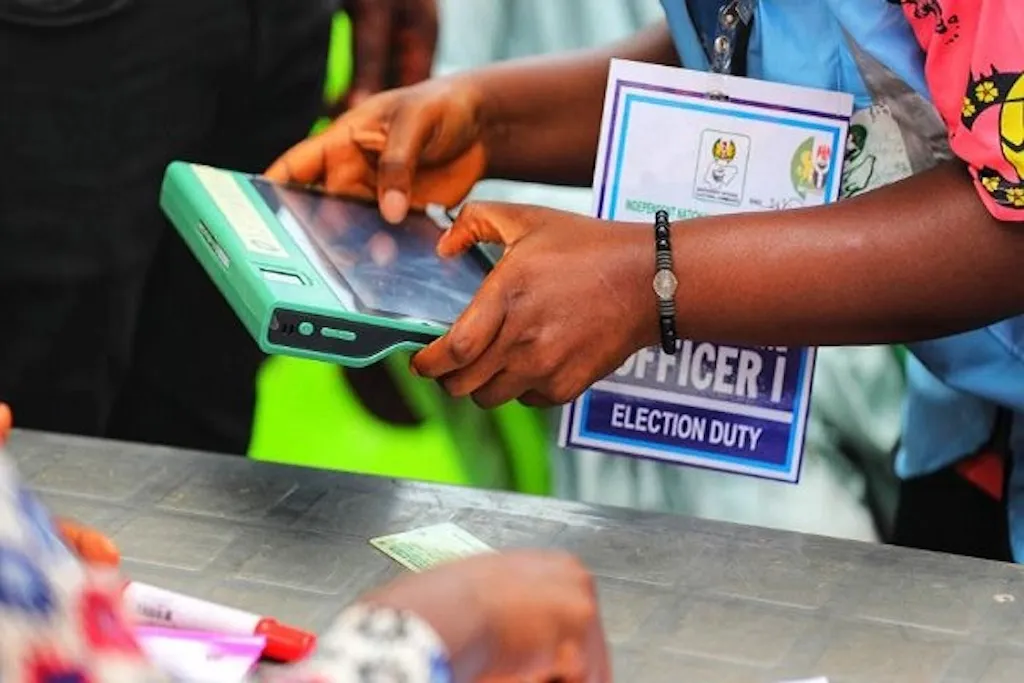
The video still circulating on Facebook allegedly provides a form of “admission” that corroborates the mechanics of the scheme: that INEC, or its officials, registered these foreign nationals and generated voter cards for them. This allegation is not new. As far back as 2015, reports emerged claiming that “Buhari and Jega in collaboration with some INEC officials and APC members of Hausa/Fulani Muslims origin in the north have successfully registered THOUSANDS of their people from the neighbouring countries,” with over 100,000 non-citizens registered in Niger, Chad, and Cameroon. The same report alleged that these non-Nigerians received their Permanent Voter Cards (PVCs) “even before Nigerian citizens started collecting theirs”. Similar patterns were reported ahead of the 2019 elections, with allegations that Fulani from Niger and Chad were registered en masse with the connivance of APC agents within INEC.
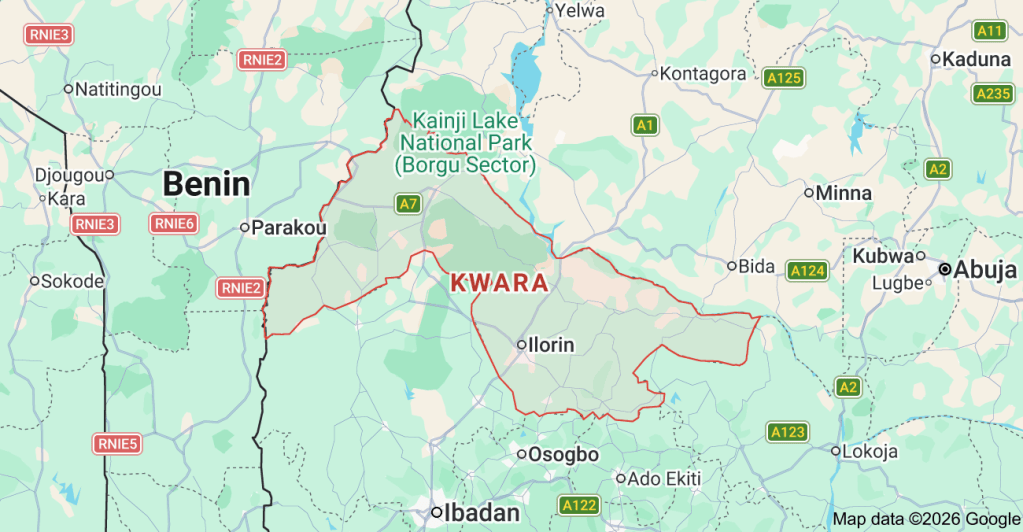
More recently, in October 2025, residents of Kaiama and Baruten local government areas in Kwara State, border communities with the Republic of Benin, raised alarms over “truckloads of Fulani herders from various parts of Nigeria, and possibly beyond,” being transported to INEC registration centres during the Continuous Voter Registration (CVR) exercise. One resident stated: “We began noticing strange faces coming in groups to register for PVCs. We don’t know what’s going on, but it’s worrying. We have legitimate Fulani residents here, but how do we tell who’s local and who’s being brought in for other purposes?”. An INEC official in Baruten defended the exercise, stating that “anyone registering must either live or work in the LGA,” but locals insisted that “the scale and coordination” were “unusual”.
The significance of the viral video, therefore, lies not in revealing a novel plot but in potentially providing a direct, first-person admission of a practice that has been alleged, denied, and left uninvestigated for nearly a decade. Baraje’s 2021 disclosure supplied the political confession from within the APC’s founding ranks. The 2015, 2019, and 2025 reports supplied the pattern. The video, if authenticated, supplies the operational admission: that INEC’s machinery was used to register foreign nationals and that the resulting cards were deployed for partisan advantage.
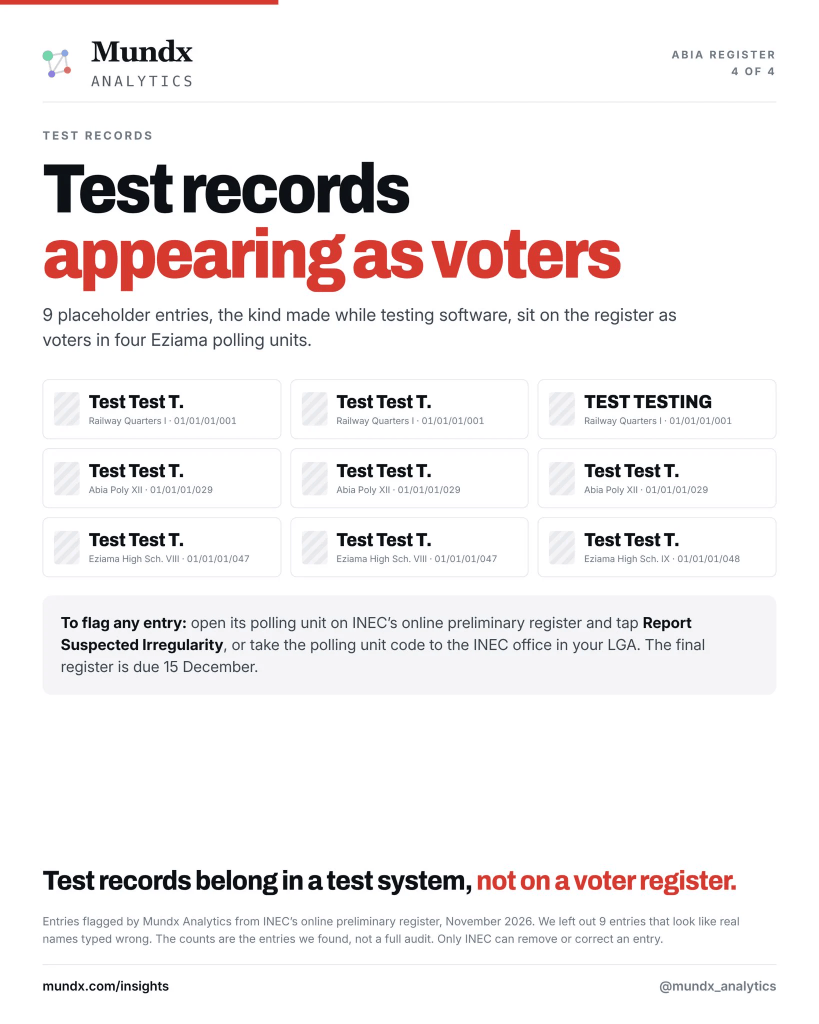
What makes this a crisis of electoral integrity rather than a mere historical curiosity is that the same vulnerabilities persist. INEC’s own officials have recently admitted that the preliminary voter register for the 2027 general elections was compromised, with “AI-generated photographs and duplicate entries” uploaded by registration officers using their official credentials. Electoral observers concluded that “fake voters had been injected into the INEC database with the capacity to vote”. The commission has reportedly sanctioned 23 officials for multiple registrations, but the structural weaknesses that allow such infiltration remain.
The Baraje allegation and the video admission matter because they establish a modus operandi that has never been formally dismantled. If a senior political figure could openly boast of importing foreign nationals for electoral purposes, and if border communities could witness truckloads of registrants arriving at INEC centres without consequence, then the commission’s assurances of a credible 2027 election rest on fragile ground. The failure of security agencies, the Department of State Services (DSS) and the Nigeria Police Force, to investigate Baraje’s claims, despite their “treasonable weight,” as one report noted, sends a clear signal that electoral fraud at this scale enjoys a level of impunity that is incompatible with democratic accountability.
For The Searchlight, the question is not whether the Baraje video is authentic in every pixel, but whether the institutions of state will finally treat the corroborated pattern of allegations with the seriousness it demands. Kawu Baraje’s confession, the historical reports, the Kwara border mobilization, and the latest AI-generated voter scandal form a continuum of impunity. Until INEC opens its voter register to independent forensic audit and until the security agencies investigate the deliberate importation of foreign voters, not merely as an immigration matter but as an electoral crime, the ghost of 2015 will continue to haunt every subsequent election.
The admission is a reminder that the mechanisms of voter importation were not a one-off aberration. They were a strategy. And strategies, unless dismantled, are repeated.


Leave a Reply