
By Matthews Otalike, The Searchlight Investigative Correspondent / November 06, 2026
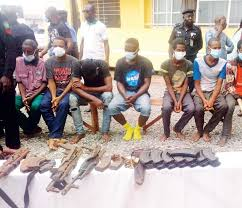
The Nigerian government’s approach to the country’s overlapping security and sectarian crises is facing renewed scrutiny, with critics pointing to a pattern of appointments, budget allocations, and public silence that they argue, undermine the state’s claim to neutrality. At the centre of this controversy are three flashpoints: the Minister of State for Defence’s alleged ties to banditry, the National Security Adviser’s past remarks on Fulani herders, and a federal budget that overwhelmingly favours mosque projects over churches. These are set against the backdrop of the assassination of a moderate Islamic cleric and the political mobilization of the Izala sect ahead of the 2027 elections.
The Matawalle Question: Allegations, Denials, and a Presidential Shield
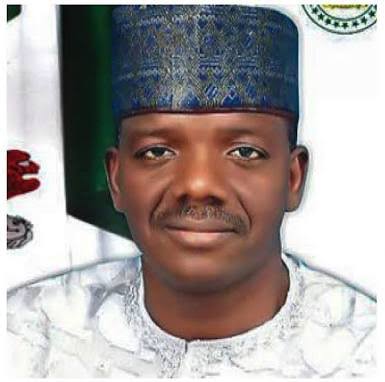
Alhaji Bello Matawalle, a former governor of Zamfara State, was appointed Minister of State for Defence in 2023, a decision the government said was intended to “leverage his local experience in tackling insecurity”. However, his tenure has been shadowed by persistent allegations of complicity in the very banditry he is now tasked with combating.
The most detailed allegations come from Musa Muhammad Kamara, a former Senior Special Assistant to Matawalle, who has publicly claimed that he personally handled transactions involving vehicles, cash, and a house for notorious bandit commanders, including Bello Turji, Kachalla Halilu, and Ado Aleru. Kamara alleged that a sum of ₦42 million was distributed across local government areas, and that he was directly involved in purchasing and renovating a house gifted to Bello Turji. A separate audio recording, released by cleric Sheikh Murtala Asada, allegedly captures an aide to Matawalle pleading with Kamara to withdraw as a witness in a banditry-related court case and recant his statements. Why ask Kamara to withdraw his allegations against Matawalle?
Bello Matawalle has consistently denied all accusations, insisting that any engagement with armed groups during his governorship was conducted with the knowledge of security agencies and it was strictly for negotiations aimed at saving lives. Despite that explanation, he still described the claims as politically motivated fabrications. He has reportedly offered to swear on the Quran that he has no links to bandits. The Federal Government weighed in, with the Office of the National Security Adviser (NSA) reportedly conducting an investigation that found no evidence to support the allegations against Matawalle. Even Presidential spokesman Bayo Onanuga said the NSA’s findings led President Tinubu to retain Matawalle, adding that the president is “fully aware of the stories but concluded they are fabricated”. The National Association of Nigerian Students (NANS) has similarly dismissed the allegations as baseless and politically motivated.
Despite these denials, the allegations have not been judicially resolved. Critics argue that the mere existence of such detailed claims from a former insider, coupled with the audio recording, warrants an independent investigation rather than a presidential dismissal based on an internal review. The internal review process was never made public.
Ribadu’s Record: Contextualizing Violence or a Conflict of Interest?
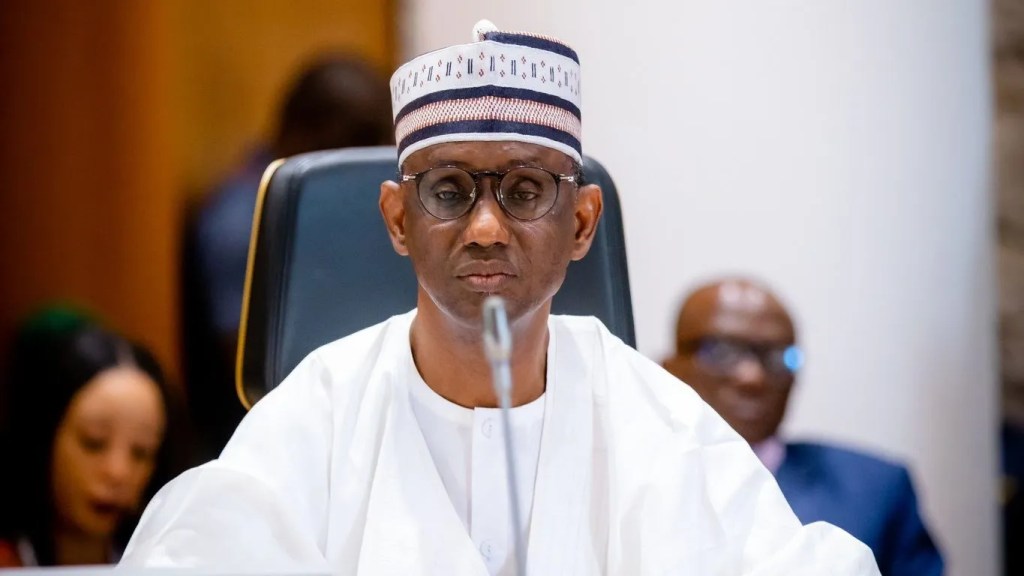
The appointment of Nuhu Ribadu, a Fulani from Adamawa State, as National Security Adviser has also drawn scrutiny, particularly following the resurfacing of remarks he made in 2018. At a national summit on conflict resolution, Nuhu Ribadu argued that the persistent clashes between farmers and herders stemmed largely from the “systemic marginalization and exclusion” of nomadic Fulani communities, who he said number 15 to 20 million and are “not in any way benefiting from what is happening in the country today”. He further stated that many Fulani felt abandoned by then-President Buhari, a fellow Fulani, and that the herders’ constant movement was a search for dignity rather than aggression. The implication of his position then justified the violence by armed Fulani herders against Nigerians and the state.
Critics have pointed to these comments as evidence that the National Security Adviser once appeared to “downplay or contextualize the actions of groups widely accused of carrying out deadly attacks on farming communities”. The argument is not that Ribadu is personally responsible for violence, but that his public framing of the crisis, emphasizing the grievances of the Fulani community, creates a perception of a conflict of interest at the highest level of national security. His position tallied with that of Sheikh Abubakar Gumi who has repeatedly claimed that the Fulani were not provided for by the government as reason for taking up arms. Ribadu’s supporters counter that understanding root causes is essential to any long-term solution and that Ribadu’s ethnicity does not disqualify him from serving the nation. Three years on, the problem continues to spread to other parts of the country rather than abating.
The Budget: A Tale of Two Faiths
The 2026 federal budget has provided the most concrete evidence of perceived sectarian bias. An analysis by the public accountability organization Tracka (BudgIT) revealed that ₦6.14 billion was allocated for 52 mosque-related projects, while only ₦1.91 billion was allocated for seven church-related projects, a total of ₦8.05 billion for religious infrastructure. Even more controversially, the Deputy Speaker’s office allocated ₦780 million for church musical instruments, a figure initially reported as ₦1 billion.
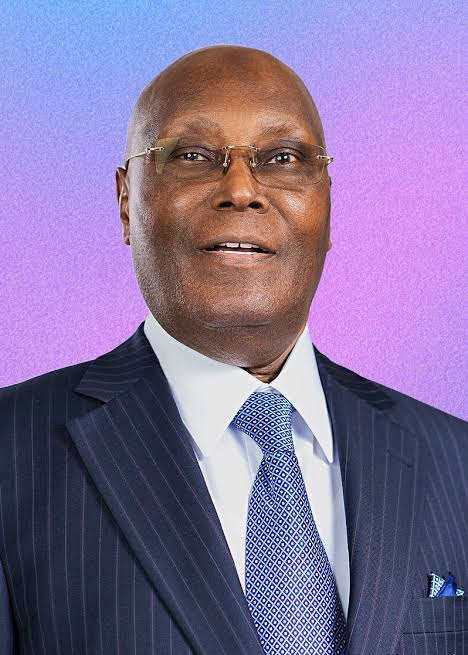
Former Vice President Atiku Abubakar has led the criticism, demanding that the government publish the names of every beneficiary institution and project location, arguing that “religion must never become a sanctuary for opaque budgeting or questionable public expenditure”. The Resource Centre for Human Rights & Civic Education (CHRICED) has raised a constitutional challenge, noting that Section 10 of the Nigerian Constitution states that the country “shall not adopt any religion as a state religion,” yet public funds are being channelled into religious infrastructure through what it calls “questionable insertions”.
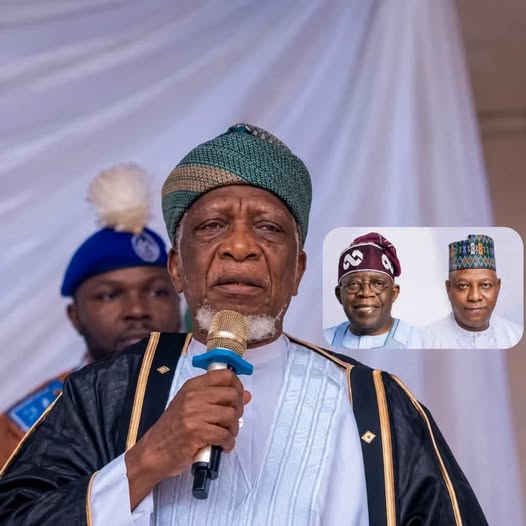
This disparity in funding is particularly sensitive given the political context. In October 2026, 1,117 Islamic clerics from the Izala and Tijjaniyya groups in Katsina State endorsed President Tinubu’s 2027 re-election bid. A leading Izala cleric, Sheikh Sani Yahaya Jingir, has been unapologetic in his support for the administration, stating his decision followed Tinubu’s move toward a Muslim-Muslim presidential ticket. Critics argue that the budget allocations, combined with this political mobilization, create the impression of a transactional relationship between the state and a specific religious bloc.
The Masussuka Assassination: A Test of State Resolve
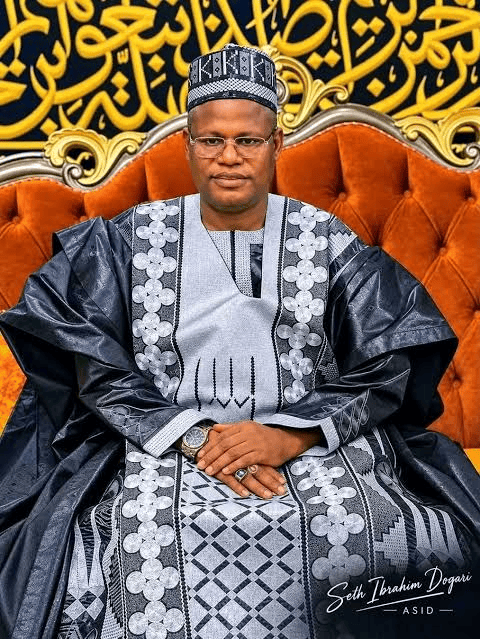
The October 26, 2026, assassination of Sheikh Yahaya Masussuka outside his home in Dutsin-Ma, Katsina State, has become a litmus test for the government’s willingness to protect moderate voices. Masussuka was known for advocating interfaith harmony, and the terrorist group Ansaru claimed responsibility, citing his “disputing the hadiths of Prophet Muhammad and advocating for interfaith harmony” as justification.
Many of Masussuka’s supporters immediately pointed fingers at the Izala movement, a Sunni Islamic group to which some of the deceased’s theological opponents belonged. The Izala movement has condemned the killing and denied any involvement. The family of the slain cleric has also rejected Ansaru’s claim, questioning the source of the audio message in which the group asserted responsibility.
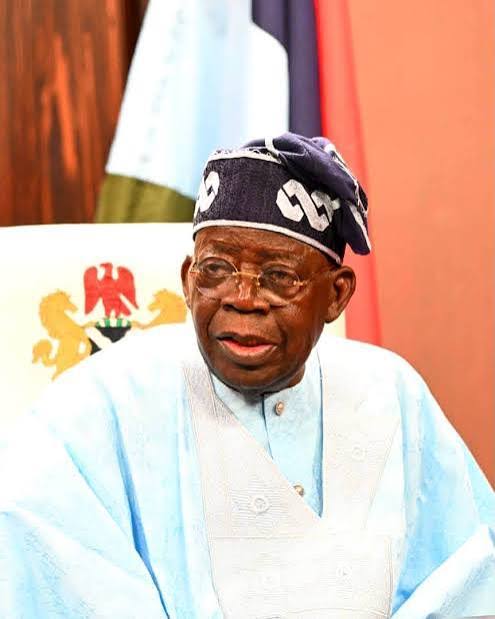
President Tinubu condemned the killing and directed security agencies to intensify investigations, while Governor Dikko Radda of Katsina State called for a thorough probe. However, the fact that a cleric known for preaching peace could be gunned down outside his home, and that suspicion immediately fell on a rival sect rather than being universally attributed to Ansaru, highlights the deep sectarian tensions that the government is struggling to contain.
Sheikh Gumi and the Politics of Negotiation
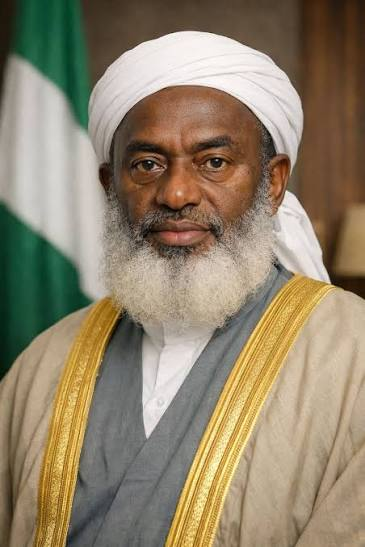
The government’s silence on the more controversial statements of Sheikh Ahmad Gumi further complicates the picture. Gumi has consistently advocated for negotiations with bandits, arguing that “no religion forbids negotiation with bandits” and that engagement is a practical way to achieve peace. He has described the kidnapping of schoolchildren as a “lesser evil” compared to killing soldiers and has maintained that bandits are “fighting for survival”. While Gumi is not a government official, his proximity to power and his persistent advocacy for a negotiated settlement have led critics to view him as an unofficial mouthpiece for a policy that many Nigerians see as rewarding criminality.
Conclusion: The Neutrality Deficit
Taken together, these developments paint a picture of a government that is perceived, fairly or unfairly, as managing a multi-front crisis through a lens of ethnic and religious calculation. The appointment of a minister dogged by banditry allegations, the retention of a security adviser whose past remarks are seen as contextualizing communal violence, a budget that overwhelmingly favours one faith, and a selective silence on incendiary clerics all contribute to a neutrality deficit that erodes public trust.
The government’s defense, that its appointments are based on merit and local experience, that its budget supports all faiths, and that it has ordered investigations into the Masussuka killing, has not convinced critics. What remains missing is transparency and accountability: a judicial or independent inquiry into the Matawalle allegations, the full disclosure of religious budget beneficiaries, and a consistent stance on clerics who incite or justify violence, regardless of their sect. Until these gaps are addressed, the perception that Nigeria’s security architecture is being sectarianized will continue to deepen, with dangerous consequences for a nation already grappling with existential divisions.


Leave a Reply