By The Searchlight Investigation Desk / October 26, 2026
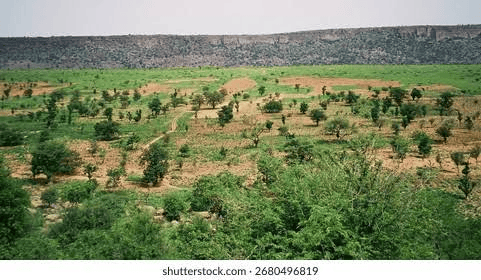
A circulating video and eyewitness accounts have ignited fresh controversy over an alleged confrontation between Nigeria Police Force Mobile Force personnel and Nigerian Army troops in Rafiki, Bassa Local Government Area of Plateau State on October 20, 2026. The reports claimed that soldiers blocked a police clearance operation targeting a suspected bandit hideout, and that a senior Army officer was present alongside a local Miyetti Allah leader and armed men, and that the armed group escaped amid the standoff.
As of Monday, neither the Nigeria Police Force nor the Nigerian Army/Operation Enduring Peace has issued an official confirmation or detailed rebuttal of the core allegations.
The Alleged Incident
According to accounts published by The News Chronicle and Viewpoint Nigeria, drawing from a video circulating on social media and an anonymous eyewitness:
Police Mobile Force officers, operating under directives associated with Inspector-General of Police Tunji Disu as part of ongoing clearance operations against criminal hideouts, moved into Rafiki around 11:45 a.m. on October 20.
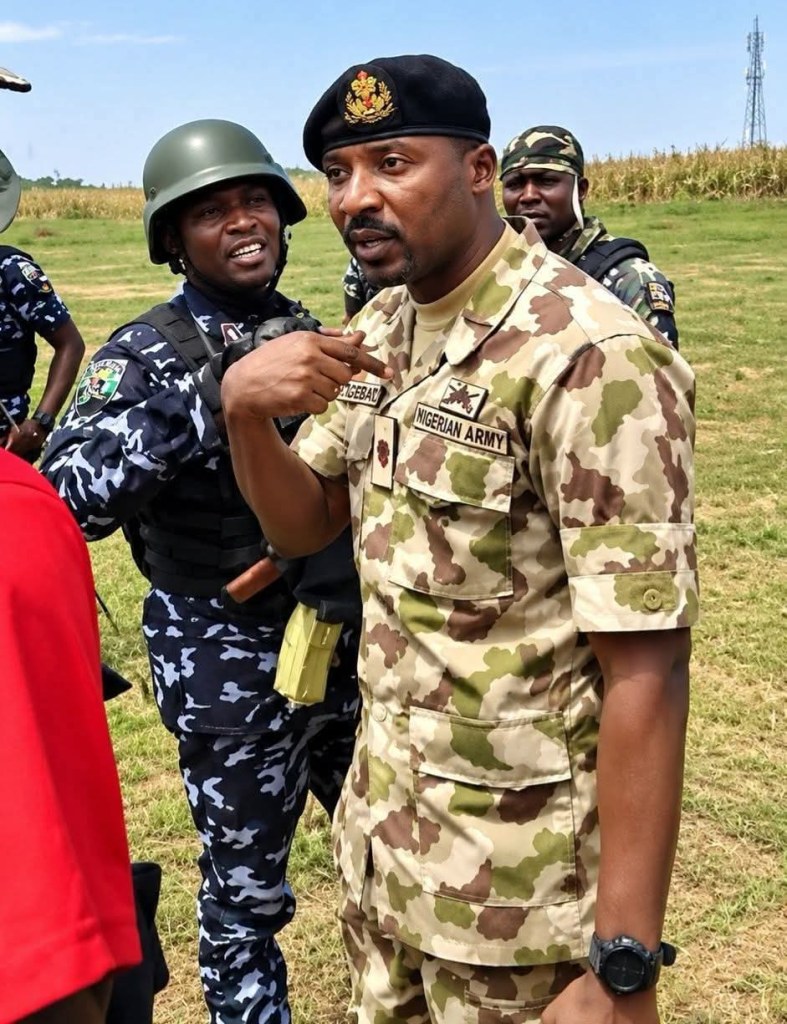
They reportedly encountered soldiers led by a man identifying himself as Major Chukwu (full name unconfirmed), who presented himself as Sector 3 Commander of the Special Task Force under Operation Enduring Peace. The major was allegedly accompanied by about ten soldiers in military vehicles and was seen in the company of armed individuals described as militia members, some said to be carrying military-grade weapons, and the Chairman of Miyetti Allah Cattle Breeders Association of Nigeria (MACBAN) in Bassa LGA, identified as Ya’u Idris, also known as Chachaba.
The soldiers allegedly blocked the police convoy and prevented further advancement. Tension rose. The police unit commander intervened to prevent escalation. The military personnel later withdrew while the armed men fled the area.
On the same day, MACBAN’s Plateau State chapter, through Chairman Ibrahim Yusuf Babayo, petitioned the IGP over a separate but related allegation: that MOPOL 81 personnel opened fire on herders grazing near Maraban Dare in Bassa LGA, killing one Adamu Mato and injuring two others, and destroyed property in a Fulani community. MACBAN described the action as unprovoked intimidation and demanded an independent investigation.
Parallel Operations, Overlapping Mandates
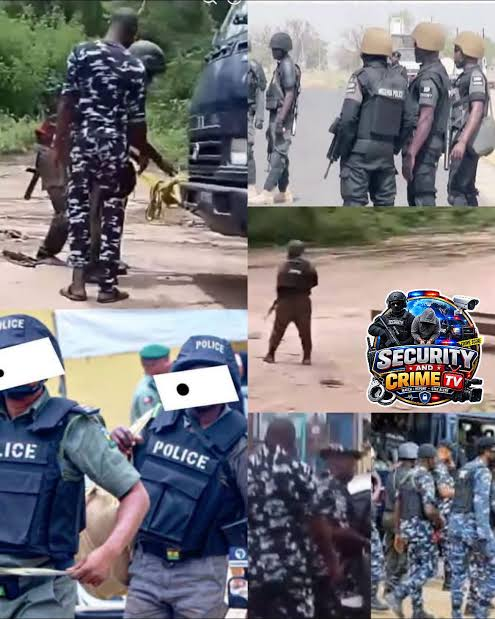
The alleged standoff occurred against the backdrop of intensified Police Mobile Force clearance operations across several Plateau LGAs, including Bassa, Bokkos, Mangu, Jos South, Jos East, Shendam and Qua’an Pan. The Force has reported neutralizing suspects and destroying hideouts in some of these areas as part of a wider national push against banditry and violent crime.
Simultaneously, troops of Operation Enduring Peace—the military task force covering Plateau and adjoining areas—continue kinetic and non-kinetic activities, including arrests, rescues of kidnap victims, and engagements with community stakeholders. Bassa has long been a flashpoint of Irigwe-Fulani tensions, farmland disputes, cattle rustling and reprisal attacks.
Nigeria’s internal security architecture frequently produces friction when Police tactical units and military task forces operate in the same space without seamless real-time coordination, shared intelligence pictures, or clear deconfliction protocols. Similar inter-agency incidents have been reported in other theatres over the years.
What Remains Unanswered
Critical questions persist:
– Who, if anyone, authorized the alleged blocking of the police advance?
– What was the precise nature of the presence of the named MACBAN official Ya’u Idris, and the armed individuals at the site?
– Were any weapons recovered, or any suspects later pursued?
– Did the confrontation allow criminal elements to escape?
Presence of a community leader with security personnel may not, by itself, constitute evidence of collusion with terrorists or bandits. Historical mutual accusations between farming and herding communities in Bassa and wider Plateau, however, ensure that such claims land in highly polarized terrain.
Implications
If the core sequence of events is accurate, the incident highlights dangerous gaps in operational coordination at a moment when both the Police and the military face public pressure to deliver results against persistent insecurity. It also risks reinforcing competing narratives of selective enforcement and institutional bias, narratives that deepen distrust among communities already scarred by years of violence.
Treating the circulating video and single-source eyewitness claims as settled proof that “the Army is in cahoots with terrorists” would be premature and equally, dismissing the reports without transparent inquiry would only fuel suspicion.
What is required now is clear, factual statements from the Nigeria Police Force and the Nigerian Army/Operation Enduring Peace; any internal reviews of the events of October 20 in Rafiki; and, where necessary, independent investigation into the specific allegations of obstruction, the presence of armed non-state actors, and the separate claims of excessive force against herders.
In the absence of such accountability, the vacuum will continue to be filled by the most corrosive interpretations on all sides. Plateau’s security challenges are complex enough without inter-agency friction adding another layer of opacity.


Leave a Reply