By Matthews Otalike, The Searchlight Correspondent / October 26, 2026

Nigeria has confirmed its first Ebola case in over a decade, but the government’s response is already mired in controversy, not over the virus itself, but over who is leading the fight and what happened to the money meant to stop it. The Searchlight can confirm that the case is real, but the decision to place political operative Femi Gbajabiamila at the helm of a health emergency, and the opaque handling of a ₦10 billion “emergency fund,” have raised serious questions about competence and potential misuse of public funds.
The Confirmed Case: A Timeline of Delays
The Ebola case is not a rumour. According to the World Health Organization (WHO) and Nigerian health authorities, a woman arrived in Nigeria from Uganda and tested positive for the Ebola Bundibugyo virus in Abuja. The timeline is damning:
· October 5: The patient arrives in Nigeria.
· October 7: She develops symptoms.
· October 11: She seeks care at a private hospital.
· October 20: The government finally confirms the case publicly, nine days after she first sought help.
During that critical nine-day window, 44 close contacts were left unmonitored, and private health workers reportedly faced the case without adequate protective equipment. This delay, opposition figures argue, exposed a dangerous breakdown in the government’s preparedness, despite months of warnings and a dedicated task force. Now, contacts have reached 53 percent. They reportedly include workers at the private health facility who attended to her, oblivious of the nature of her ailment.
The Gbajabiamila Question: Why a Political Chief of Staff?
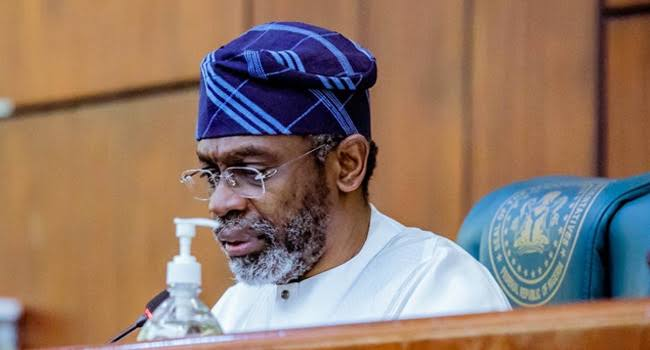
The most politically charged aspect of the response is the appointment of Femi Gbajabiamila, the President’s Chief of Staff and a consummate political operator, to chair the Presidential Task Force on Ebola Virus Disease Preparedness. The task force was inaugurated in June 2026, months before the case was confirmed.
Critics, including activist Omoyele Sowore and former Vice President Atiku Abubakar, have questioned why a public health emergency is being led by a political appointee rather than the Nigeria Centre for Disease Control (NCDC) or the Federal Ministry of Health, which possess the epidemiology and disease control expertise. Atiku’s campaign stated: “Political titles cannot trace contacts, equip hospitals or save lives. The NCDC, epidemiologists, doctors and public health professionals must be in charge”.
The government’s defence is that the task force is a coordinating body, bringing together the Ministry of Health, NCDC, immigration, aviation, and state representatives. The NCDC is described as providing “overall technical coordination and leadership”, and Gbajabiamila himself has said, “The Task Force is on top of it. NCDC is on top of it; everyone is on deck”. However, the perception that a political fixer is overseeing a medical crisis, especially one with a history of delayed public disclosure, has fueled suspicion that the structure is designed more for political control than for efficient public health response.
The N10 Billion Fund: Released, “Untouched,” or Missing?
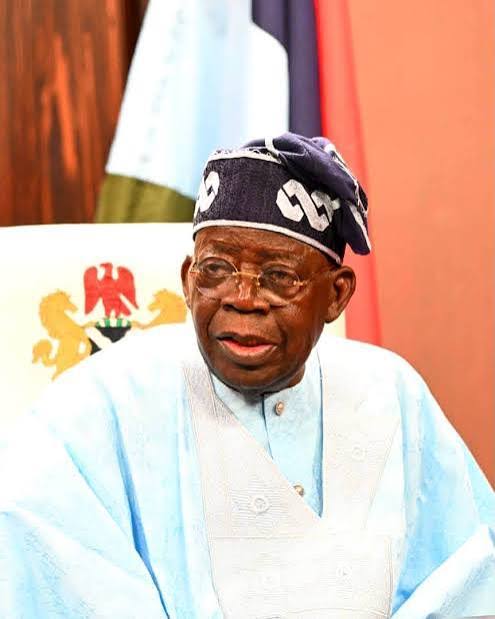
On June 9, 2026, President Tinubu approved the establishment of the task force and ordered the immediate release of ₦10 billion to strengthen the NCDC’s operational readiness and support emergency response activities.
Months later, with a confirmed Ebola case on Nigerian soil, the whereabouts of that money is the subject of a fierce political row.
· The Opposition’s Demand: Atiku Abubakar has demanded a full public audit, asking: “Where is the money? Publish the amount actually disbursed, the dates of payment, every contract awarded, every recipient and every item delivered”. He insists that a press statement cannot replace an audit.
· The Government’s Claim: The All Progressives Congress (APC) Presidential Campaign Council, through spokesman Dele Alake, has claimed the ₦10 billion “remains untouched” and that the NCDC and other agencies funded their response from other resources.
This defence is deeply problematic. If the President ordered an “immediate release” of emergency funds in June specifically to prepare for an Ebola outbreak, why was the money not spent or utilized when the threat was imminent? The government’s claim that the fund is “untouched” does not explain why it was not deployed, nor does it provide any financial records to independently verify that the full sum remains intact. The lack of transparency has led to accusations that the fund may have been earmarked for purposes other than public health, or that the task force structure is a vehicle for siphoning resources under the guise of emergency preparedness.
Conclusion: A Crisis of Trust
The Ebola case in Nigeria is real, and the public health response involves competent professionals at the NCDC and Ministry of Health. However, the political architecture built around it, a task force led by the Chief of Staff and a multi-billion-naira fund shrouded in secrecy, has undermined public confidence. The Tinubu administration must immediately publish a detailed, line-by-line audit of the ₦10 billion, explain why a political operative rather than a public health expert was chosen to lead the charge, and ensure that the NCDC has the autonomy and resources to act without political interference. Until then, the suspicion that the Ebola emergency is being used as a cover for financial mismanagement will persist.


Leave a Reply