By Matthews Otalike, The Searchlight Correspondent / October 25, 2026
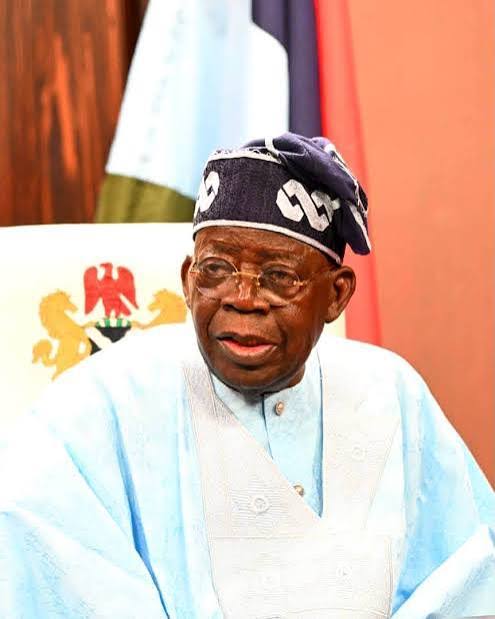
President Bola Ahmed Tinubu’s administration has placed or retained a striking number of officials who carry open corruption investigations, professional disciplinary records, or documented allegations of financial misconduct. In case after case, the Economic and Financial Crimes Commission and other agencies have stopped short of trial or conviction when the individuals remain useful to the All Progressives Congress. The result is a growing perception that political value still outweighs unresolved questions of integrity.
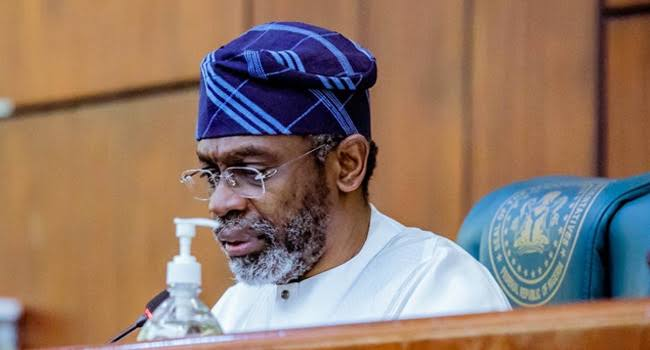
One instance is Femi Gbajabiamila, the president’s Chief of Staff. He practiced law in the United States and was admitted to the Georgia Bar in 2001. In 2007 the state’s Supreme Court suspended him for three years after he admitted mishandling a client’s settlement. He had received $25,000, placed it in his trust account, failed to pay the client, used the money himself, shut down his practice and left the country. He repaid the sum later. Subsequent proceedings ended with the termination of his Georgia membership in 2020. These were disciplinary, not criminal, findings. Gbajabiamila has called the episode a closed ethical matter from an earlier period. The documented misuse of client funds and permanent loss of his American licence nevertheless sit uneasily with the authority of his current office.
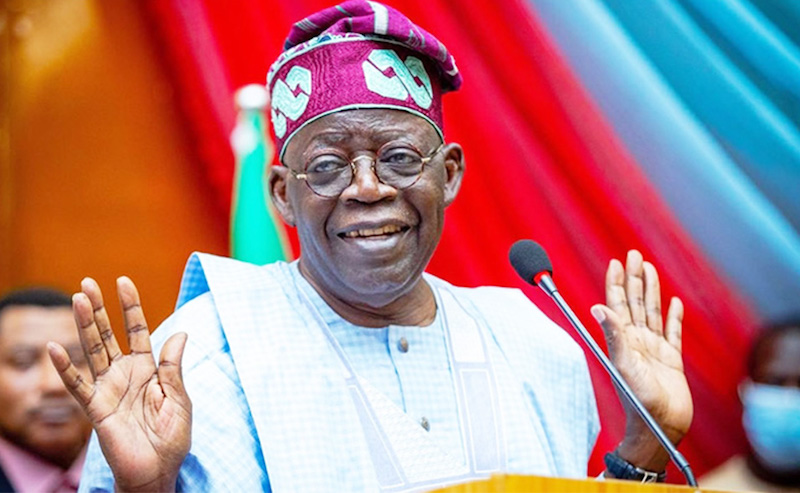
A parallel runs through the president’s own American record. FBI files and related court documents show Tinubu was investigated in the early 1990s over alleged drug-trafficking links. A civil forfeiture action recovered roughly $460,000 connected to accounts associated with him. No criminal charges were filed and no conviction followed. The Presidency has stressed the civil character of the case and cited a 2003 Consulate letter stating there were no outstanding criminal warrants. The legal distinction is real. Yet the same standard, investigation without conviction as sufficient clearance, appears more readily available to the president’s allies than to his opponents.
There is the case of Godswill Akpabio who faced repeated allegations arising from his years as governor of Akwa Ibom state. Tinubu still backed him for the Senate presidency in 2023. Akpabio has remained a reliable legislative partner and has already signalled interest in retaining the post after 2027. Allegations surface, inquiries open or stall, and political usefulness seems to keep final resolution at bay. Whether the delays stem from weak evidence, institutional weakness or deliberate restraint is open to argument. The practical outcome is the same: high-value APC figures rarely move swiftly from investigation to courtroom.

Other appointments follow the same trajectory. Betta Edu was suspended as Humanitarian Affairs minister in January 2024 after directing the transfer of about ₦585 million meant for vulnerable groups into a private account. The EFCC recovered money and examined accounts, yet no final report or prosecution has been made public. Edu later resurfaced as Director of Women Mobilization on the APC’s 2027 campaign council.
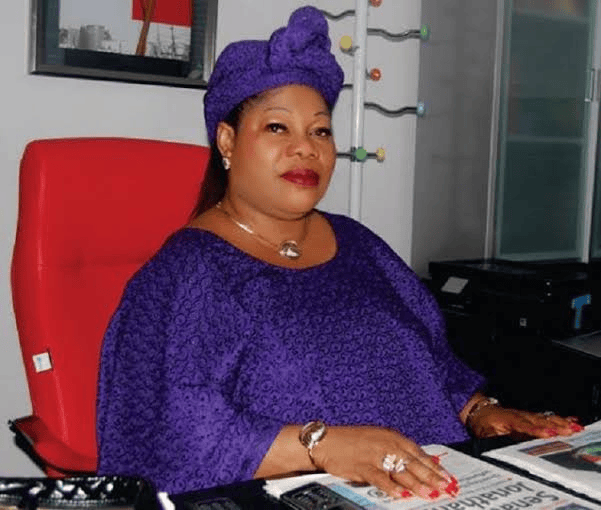
Ngozi Olejeme, former chair of the Nigeria Social Insurance Trust Fund, was arraigned in 2025 on eight counts involving alleged conversion of roughly ₦1 billion. Earlier court orders had frozen dozens of properties linked to her. She still received a South-South zonal post on the same APC campaign structure.
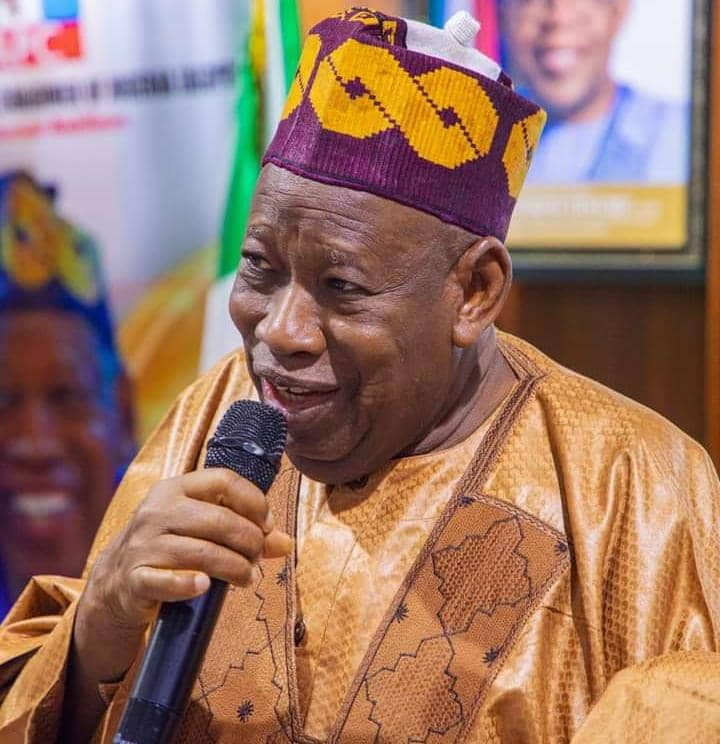
Abdullahi Ganduje, former Kano governor and former APC National chairman, faces an 11-count case in a Kano High Court alleging bribery and diversion of public funds. He has also been the subject of long-running controversy over alleged cash payments. Despite the open litigation, he has been given the chairmanship of the Federal Airports Authority and the Presidential campaign council.
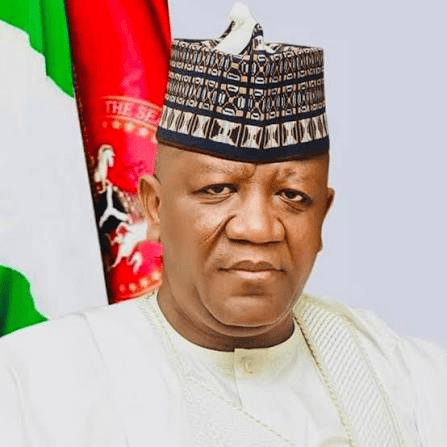
Abdulaziz Yari, former Zamfara state governor and now senator, heads the APC presidential campaign council. He has been the subject of EFCC and ICPC inquiries, including detentions linked to alleged financial irregularities and an investigation connected to an ₦84 billion case involving a former Accountant-General. Interim forfeiture orders cover properties associated with him.
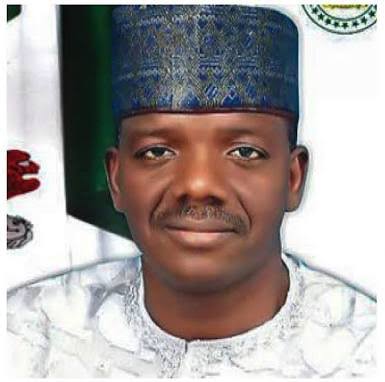
Bello Matawalle, Minister of State for Defence, is another former Zamfara governor. His successor claimed recovery of more than forty vehicles, some of them armoured, from properties linked to him. The EFCC has examined allegations involving roughly ₦70 billion. Matawalle denies the claims and calls them politically motivated. No conclusive public outcome has emerged.
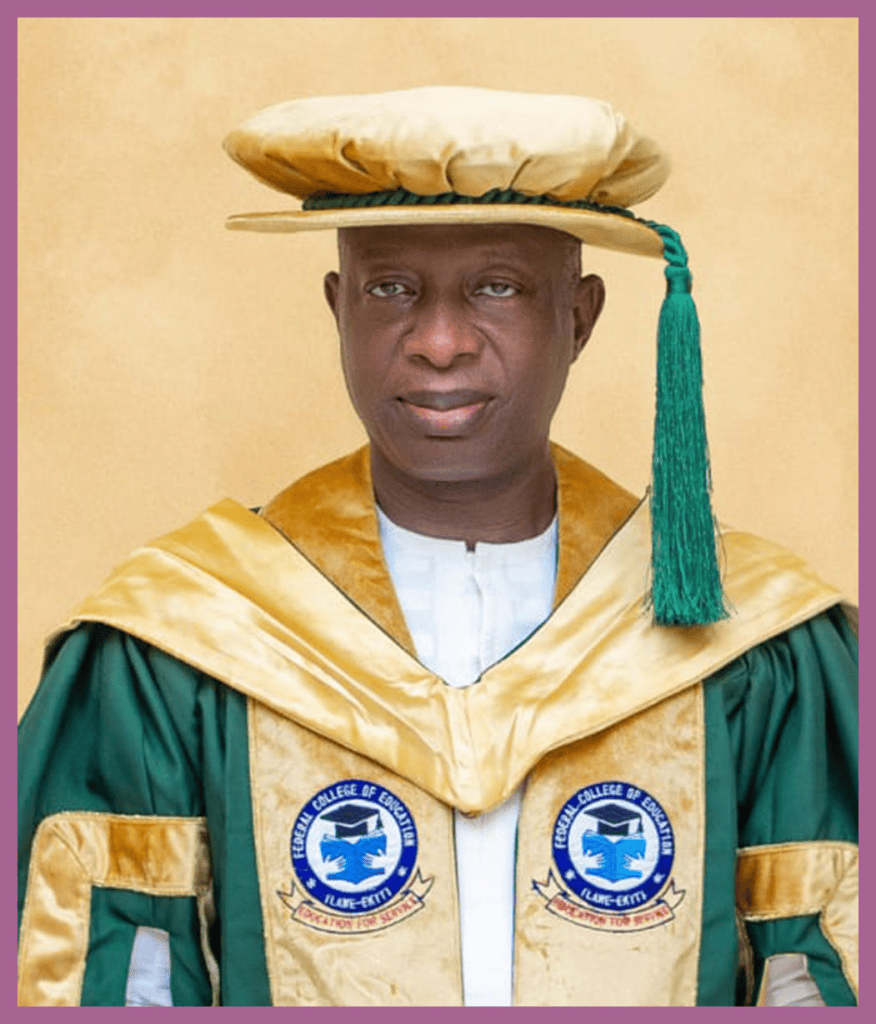
Professor Shola Olatunde Adepoju was appointed in 2024 to chair the governing council of the Federal College of Education in Ilawe-Ekiti. The EFCC later questioned him over his earlier tenure at the Forestry Research Institute of Nigeria, including claims that cooperative deductions exceeding ₦50 million had been withheld. Some funds were later returned; the inquiry continued after the new appointment.
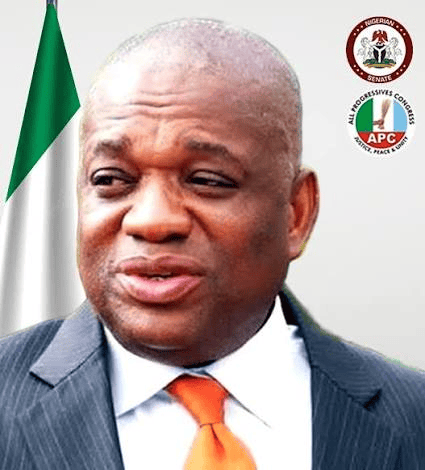
Orji Uzor Kalu was convicted in 2019 of diverting ₦7.65 billion while governor of Abia and sentenced to twelve years. The Supreme Court later set the conviction aside on technical grounds and ordered a retrial. No final conviction has resulted, and Kalu remains active within APC circles.
Civil-society groups and opposition parties have described the APC presidential campaign council as a place of political rehabilitation for people still carrying open integrity questions.
The pattern is consistent. Officials are suspended or investigated amid public attention. Proceedings then slow, reports stay unpublished, or the same names reappear in government or party positions. Cases involving APC allies often encounter delays, jurisdictional complications or repeated adjournments, while action against opposition figures can appear more determined. The EFCC itself has complained about judicial bottlenecks, yet conviction rates for politically connected suspects remain low relative to the volume of investigations announced.
The effects are concrete. Appointments carrying unresolved clouds dilute any anti-corruption message the government tries to project. The sense that investigative pace tracks political utility weakens the credibility of the EFCC and ICPC. The contrast with the president’s own unresolved American file sharpens the charge of uneven standards. Officials under open investigation have reason to prioritize survival over transparent administration, and ordinary citizens conclude that power still offers protection through process rather than through clearance.
Clearer public accounting is required. Agencies should state whether evidence supports charges, whether a case has been closed for lack of proof, or what realistic timeline remains for ongoing work. Genuine independence for the anti-graft bodies, insulation from executive and legislative pressure, and judicial reforms that limit tactical delay would improve outcomes. Explicit disclosure rules for senior appointments, covering foreign disciplinary records and pending investigations, would raise the bar for public office.
Until investigations routinely reach transparent conclusions, the cycle of allegation, political shelter and unresolved baggage will continue. The concentration of such cases among Tinubu’s appointees and campaign figures, and the limited progress of the EFCC in resolving them, remains one of the central integrity tests facing this administration.


Leave a Reply