By Matthews Otalike, The Searchlight Correspondent / October 9, 2026
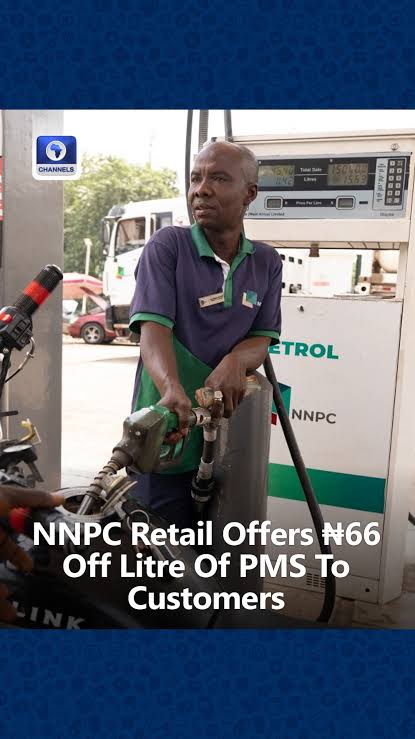
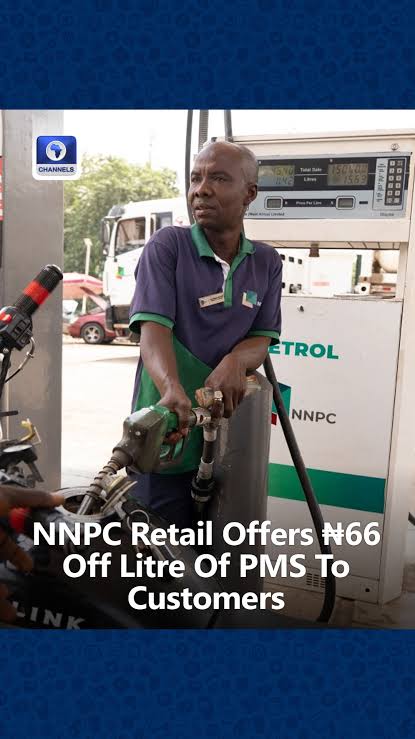
On October 8, 2026, the Nigerian Presidency announced that the Nigerian National Petroleum Company Limited (NNPCL) would forgo its retail profit margin and sell petrol at cost for 30 days, prioritizing public transporters nationwide. The announcement, coming barely three months before the January 2027 general elections, was framed by Finance Minister Taiwo Oyedele as a targeted intervention to cushion Nigerians from global crude oil price shocks, emphatically not a return to the petrol subsidy that President Bola Tinubu declared “gone” on his inauguration day in May 2023.
The Searchlight has examined the pronouncement, the arithmetic, and the timing. The verdict is unambiguous: this is subsidy by another name, dressed in the language of commercial expediency, and deployed as an electoral bribe to a population that has endured over 800 days of punishing hardship. Nigerians are not fools. They know a lifeline thrown from a sinking ship when they see one.
The Arithmetic of Deceit
The Presidency has been at pains to draw a distinction between a “margin discount” and a “subsidy.” Presidential spokesman Bayo Onanuga argued that while a subsidy involves government paying part of the cost using public revenue, a margin discount means the retailer simply forgoes profit, with the cost borne by the retailer alone. On paper, this distinction holds. In practice, it collapses under the weight of its own contradictions.
NNPCL is not a private retailer. It is a state-owned entity, and its “profit margin” is ultimately a component of the national oil revenue architecture. When NNPCL forgoes that margin, the loss is absorbed somewhere in the fiscal chain, whether through reduced remittances to the Federation Account or through the legacy crude commitments that Oyedele himself admitted are still “absorbing” oil gains from the subsidy era. The Trade Union Congress (TUC) President Festus Osifo was blunt: the balance of the N50 reduction from N1,400 to N1,350 per litre will be covered by the government, making it a de facto subsidy.
The government’s own actions betray its rhetoric. Oyedele simultaneously announced a proposed ceiling of N1,350 per litre on the ex-gantry landing cost of petrol, with refiners and importers to “carry the shortfall and recover it later”. This is not a market mechanism. It is price modulation by another name—a managed price regime that shields consumers from global volatility, precisely the function that subsidies traditionally served.
The government claims the discount is funded entirely from NNPCL’s retail margin, which accounts for “less than 5% of pump prices”. But this is a distinction without a difference. If NNPCL is a state-owned enterprise and its margins contribute to national revenue, then forgoing that margin is a fiscal decision with public revenue implications. The government cannot have it both ways: it cannot claim NNPCL is a commercial entity operating on market principles while simultaneously directing it to forgo profit for political purposes.
The Campaign Calculus
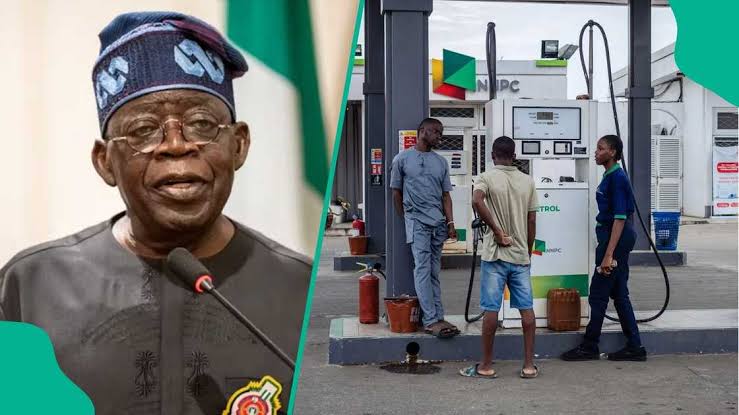
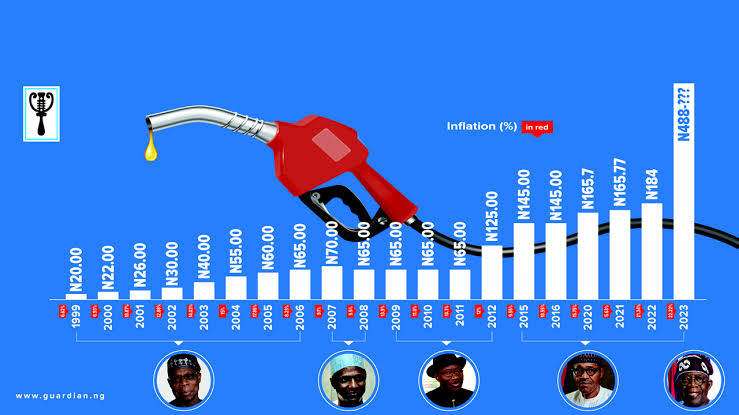
The timing is impossible to ignore. Petrol prices had risen to approximately N1,400 per litre in Lagos and Abuja by September 2026, up from N185 per litre before Tinubu took office. The World Bank reported that Nigeria’s poverty rate had reached 63% in 2025, with household incomes failing to keep pace with prices. Food inflation remained stubbornly high, and transport fares doubled on major routes. By July 2026, the World Bank was reporting that nearly 8 out of every 10 Nigerians were either poor or one shock away from becoming poor.
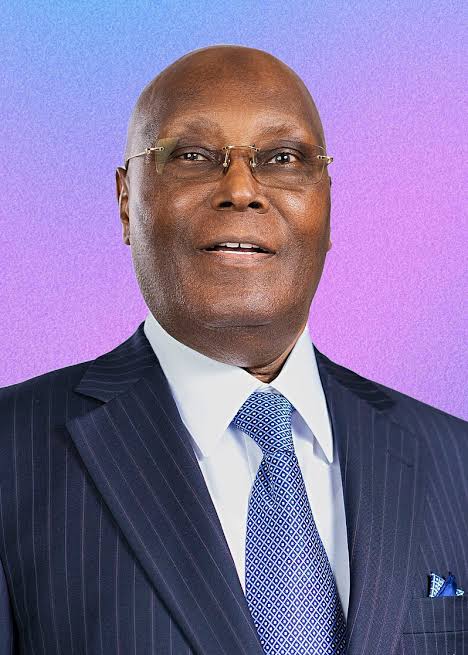
It is against this backdrop of widespread suffering, and with elections looming, that the government suddenly discovered the virtue of “selling at cost.” Former Vice President Atiku Abubakar, the ADC presidential candidate, did not mince words: he described the measure as a “calendar-scheduled, election-laced subsidy package” and a “panic-driven publicity stunt”. He asked the question that every Nigerian should be asking: “What happens on Day 31? Nigerians wake up to the same brutal prices, the same punishing transport fares and the same rising cost of food”.
The African Democratic Congress Presidential Campaign Council went further, describing the measure as a “desperate attempt to bribe Nigerians ahead of the 2027 elections”. “After over three years of subjecting Nigerians to excruciating pain through the reckless removal of fuel subsidy, the collapse of the naira and suffocating economic policies, the Tinubu administration now thinks it can bribe Nigerians with 30 days of cheaper fuel,” said Kola Ologbondiyan, the council’s director of media and publicity. “Nigerians will reject your one-month bribe”.
The Hypocrisy That Defines a Presidency
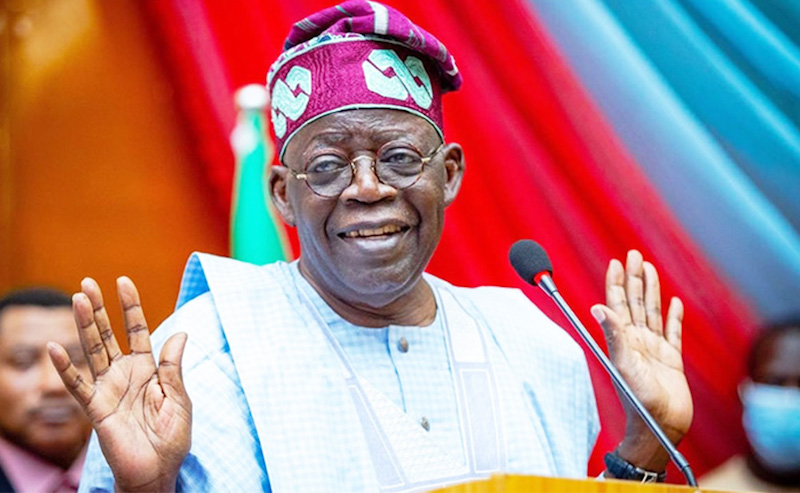
Perhaps the most damning indictment of the government’s position is the hypocrisy that has defined its approach to economic reform. In 2012, as an opposition politician, Tinubu vigorously opposed President Goodluck Jonathan’s attempt to remove petrol subsidy, arguing that the government should first clean up corruption in the petroleum sector and build infrastructure to cushion Nigerians from the consequences. He described Jonathan’s subsidy removal as a breach of the social contract and called it “Jonathan tax”.
In his open letter titled “Removal of oil subsidy: President Jonathan breaks social contract with the people,” Tinubu wrote: “By taking this step, the government has tossed the people into the depths of the midnight sea. Government demands the people swim to safety under their own power, claiming the attendant hardship will build character and add efficiency to the national economy”. He added: “The hardships they thrust upon the poor often bear no other purpose than to keep them poor”.
Yet, on his first day in office, Tinubu announced that “fuel subsidy is gone” without first addressing the corruption he had once railed against, without building the infrastructure he had once demanded, and without implementing the cushions he had once insisted upon. The result was immediate and devastating: petrol prices nearly tripled within two months, and the pain has only compounded since.
The government now points to N15.8 trillion in “subsidy savings” between June 2023 and December 2025 as evidence that the reform is working. But where is this money? The Presidency itself has admitted that “more people went down to poverty” because of Tinubu’s reforms. The government claims the savings were passed to state governors, but Nigerians have seen little tangible benefit in their daily lives.
The Politics of Desperation
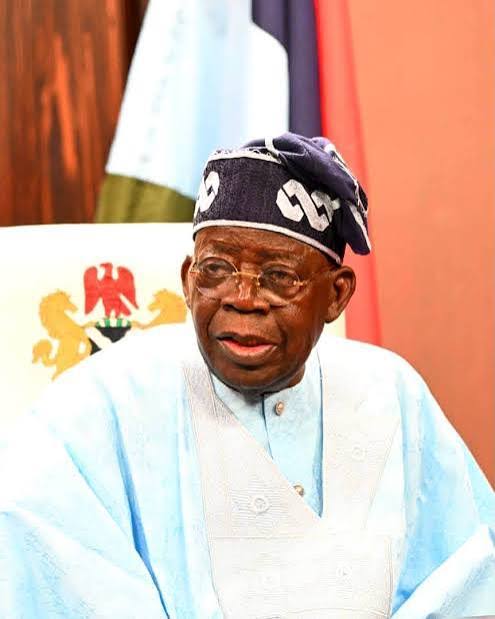
Tinubu is seeking a second term in January 2027. His main challengers, Atiku Abubakar and Peter Obi, have both promised to restore some form of fuel subsidy or production support. Atiku has proposed “capped and budgeted production support tied to fuel refined in Nigeria”. The 30-day discount is, at best, a belated acknowledgement that the government’s hardline stance on subsidy removal has become politically untenable. At worst, it is a calculated attempt to buy votes with a temporary palliative that will evaporate before the ink dries on the ballot papers.
The government’s own communication has been inconsistent. On the one hand, Oyedele insists the measure is “not a subsidy.” On the other, he acknowledges that the government is “negotiating a ceiling” on landing costs and that refiners will “carry the shortfall and recover it later”. This is not a free market. It is a managed price regime that requires government intervention to function, precisely the kind of intervention that subsidies represent.
The Verdict
Is the 30-day petrol discount a subsidy? In substance, yes, regardless of the semantic gymnastics employed by the Presidency. Is it an election campaign game? The evidence overwhelmingly suggests it is. A government that spent three years telling Nigerians to “endure” the pain of reform does not suddenly discover empathy three months before an election without political motivation.
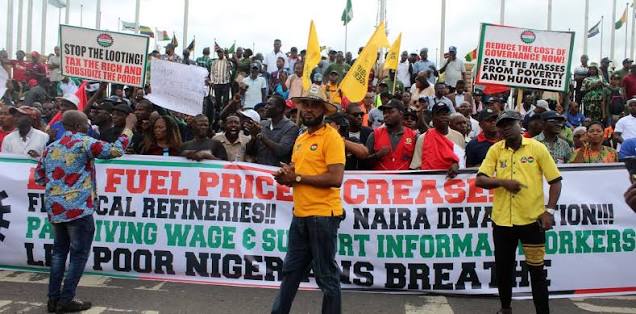
What Nigerians need, and what they deserve, is not a 30-day gimmick that will expire on Day 31, leaving them with the same brutal prices and the same punishing hardship. They need a coherent, sustainable energy policy that addresses the root causes of high pump prices: the collapse of the naira, the legacy crude commitments that continue to drain revenue, the lack of functional domestic refining capacity, and the corruption that has historically plagued the subsidy regime.
The 30-day discount is not a solution. It is a distraction. It is a calculated insult to the intelligence of a people who have endured so much for so long. And Nigerians, who have watched this government break every promise it made, should not be fooled by a last-minute conversion that smells of nothing but desperation.
The Searchlight will continue to shine a light on the shadows where policy and politics intersect. Nigerians deserve nothing less than the truth.


Leave a Reply