By Matthews Otalike, The Searchlight Correspondent / October 6, 2026
Two State Visits, One Pattern
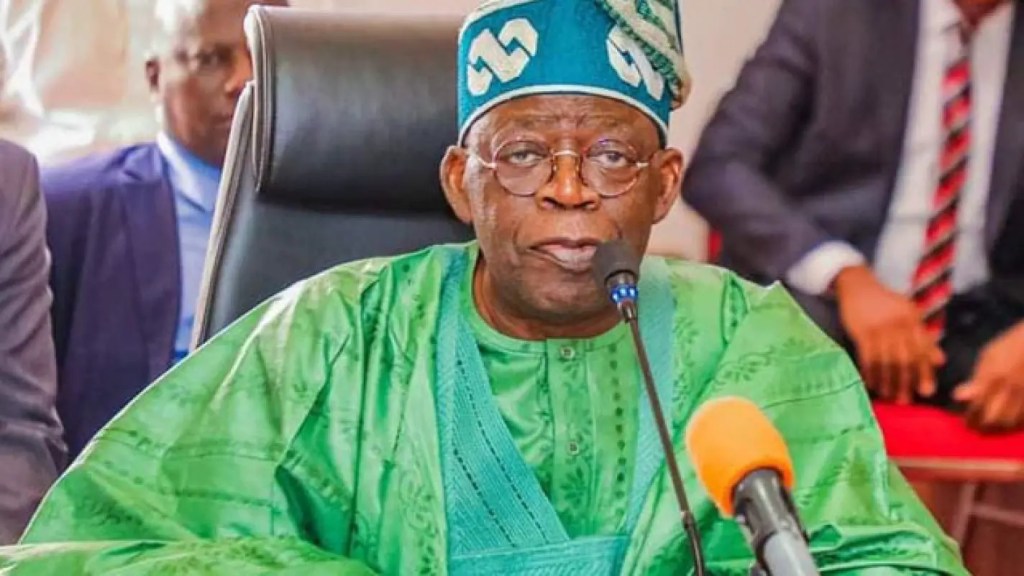
President Bola Ahmed Tinubu’s state visits to the United Kingdom and France produced headline-grabbing agreements: a £746 million export finance deal to refurbish two Lagos ports, and €300 million in letters of intent covering infrastructure, agriculture, and critical minerals. On paper, these are landmark economic diplomacy wins. Beneath the surface, however, a recurring name keeps appearing: Gilbert Chagoury, the Lebanese-Nigerian billionaire whose companies are positioned to execute the very contracts the deals are meant to fund.
This article dissects what was actually signed in London and Paris, what it commits Nigeria to, and why Chagoury’s role has become the central controversy.
THE UK DEAL: £746 MILLION FOR LAGOS PORTS
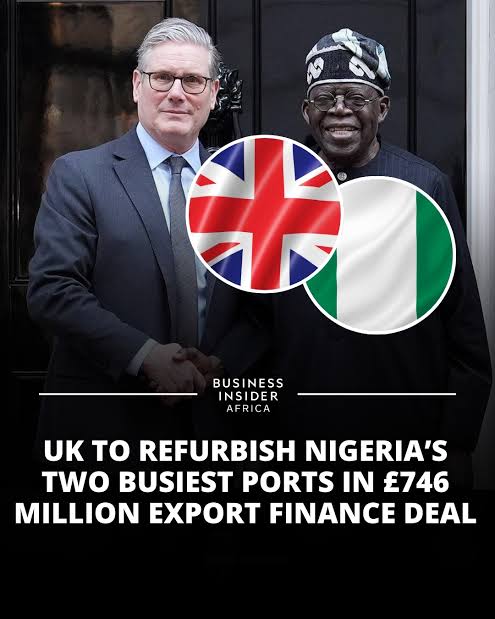
What Was Signed
On March 19, 2026, during Tinubu’s state visit to the UK, the first by a Nigerian leader in 37 years, the Federal Government signed a £746 million ($990.32 million) financing agreement with the United Kingdom to redevelop the Lagos Port Complex (Apapa Quays) and the Tin Can Island Port Complex. The agreement was signed on Nigeria’s behalf by Finance Minister Wale Edun and on the UK’s behalf by Blair McDougall MP, Parliamentary Under-Secretary of State and UK Minister for Small Business and Economic Transformation. Tinubu and UK Prime Minister Keir Starmer witnessed the signing at Lancaster House.
The Financing Structure
The loan is delivered through UK Export Finance’s (UKEF) Buyer Credit Facility, coordinated and arranged by Citibank. The Nigerian Ports Authority (NPA) and the Federal Ministry of Finance are the Nigerian counter-parties. It is described as one of the largest Export Credit Agency-supported Buyer Credit Facilities ever seen in West Africa.
The Strings Attached: A Win for Britain First
The deal is not a grant. It is a loan, and a significant portion of it is contractually directed back to British suppliers. At least £236 million of the £746 million, roughly 32%, is earmarked for British companies. The agreement mandates that at least 20% of contracts for the port refurbishments be sourced directly from the UK.
The centre-piece from the British side is a £70 million contract for British Steel to supply 120,000 tonnes of steel billets. This is British Steel’s largest ever UKEF-backed export order and a major boost to its Scunthorpe operations, which employ around 4,000 people. UK Business and Trade Secretary Peter Kyle called it “a major win for British Steel.”
The construction companies contracted to receive the steel and execute the port works are Hitech Nigeria and ITB Nigeria, both owned by Gilbert Chagoury.
What Nigeria Gets
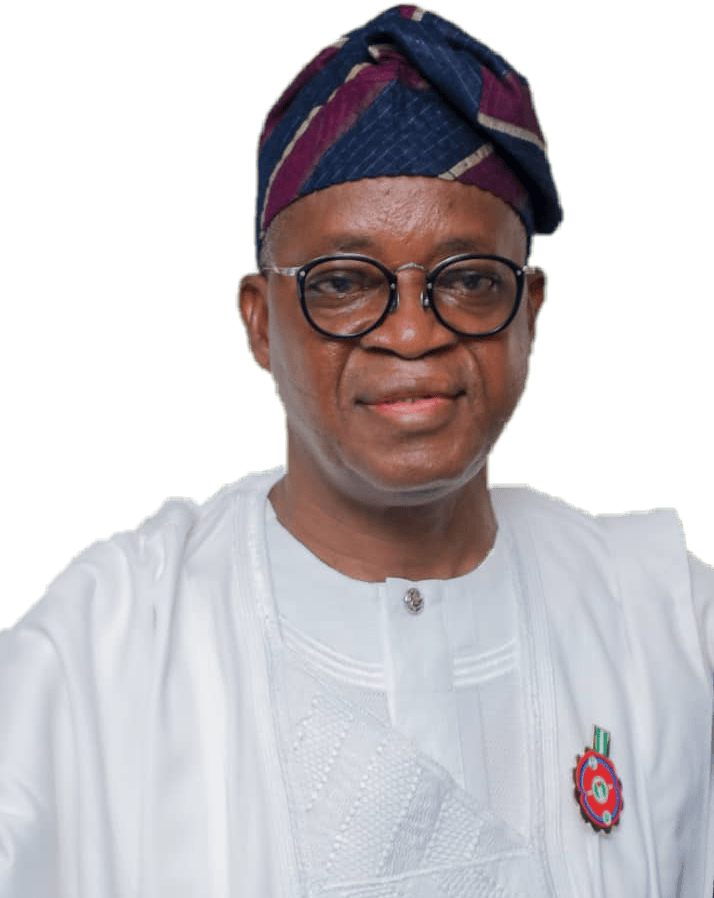
Minister of Marine and Blue Economy Adegboyega Oyetola said the project will improve vessel turnaround times and reduce cargo dwell times. Maritime think tank Sea Empowerment and Research Centre reported that Nigerian ports currently average five to seven days vessel turnaround compared to two to three days in Lomé and three to four days in Tema. Cargo dwell time remains 10 to 18 days, far above regional competitors.
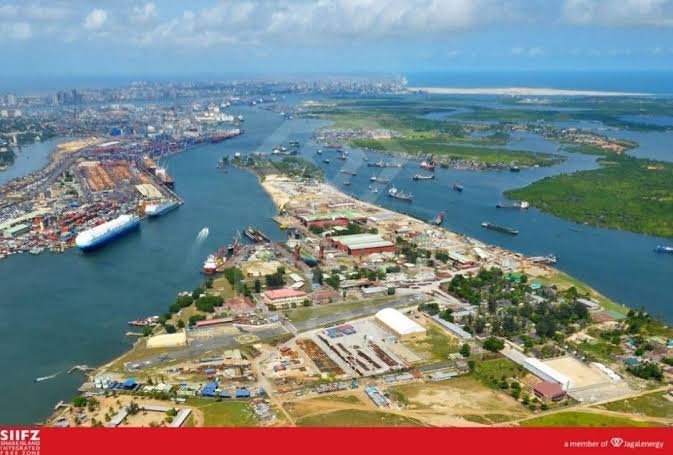
The Lagos ports handle about 70% of Nigeria’s imports and exports. Modernization could lower demurrage costs and improve customs efficiency, with knock-on effects for inflation and trade competitiveness.
The Criticism: “A Mugu Deal”
The African Democratic Congress (ADC) labelled the agreement a “Mugu Deal”, a Nigerian colloquialism for a foolish or exploitative arrangement, and demanded full disclosure. The party argued that Nigeria is borrowing money to fund the British economy, pointing to the £236 million in supplier contracts flowing back to UK firms and the £70 million steel order for British Steel.
The ADC further questioned the concentration of benefit: Nigeria takes on the debt, while British companies get guaranteed contracts, and a single Nigerian businessman — Chagoury, gets the construction contracts.
THE FRANCE DEALS: €300 MILLION AND A CRITICAL MINERALS MoU
The €300 Million Letters of Intent
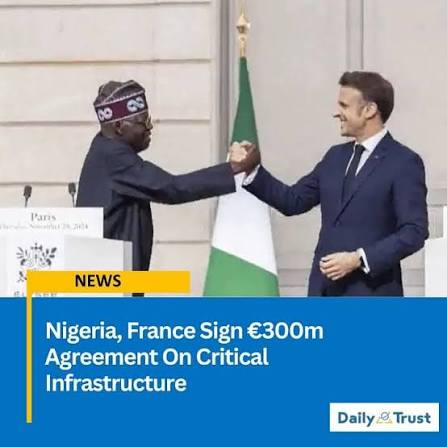
On November 28–29, 2024, during Tinubu’s state visit to France, the first by a Nigerian president in over twenty years, Nigeria and France signed two Letters of Intent worth over €300 million. The agreements were signed by Finance Minister Wale Edun and French Minister of Economy, Finance and Industry Antoine Armand, and by Edun and Rémi Rioux, CEO of the French Development Agency (AFD).
The scope covers critical infrastructure, healthcare, transportation, agricultural value chains, renewable energy, and human capital development, spread across all six geopolitical zones of Nigeria. The AFD committed to supporting the Renewed Hope Agenda, including energy access and transition, sustainable agriculture, agro-logistic hubs, and capital for MSMEs.
The visit also saw UBA commence operations in Paris and Zenith Bank inaugurate its French services.
The Critical Minerals MoU
Separately, Nigeria and France signed a Memorandum of Understanding on critical minerals on the sidelines of the visit. Signed by Solid Minerals Minister Dele Alake for Nigeria and Benjamin Gallezot, France’s Inter-Ministerial Delegate for Critical Ores and Metals, the MoU covers:
· Joint projects to promote and diversify the critical minerals value chain
· Collaboration on research, training, and Franco-Nigerian student exchanges
· Sustainable mining to reduce carbon emissions, water consumption, and climate impact
· Joint extraction and processing projects through public-private co-financing
· Remediation of over 2,000 abandoned mining pits in Nigeria
The minerals targeted include copper, lithium, nickel, cobalt, and rare earth elements, the same class of minerals the US is seeking under its own framework with Nigeria.
What Nigeria Gets and What Remains Unclear
The €300 million is in Letters of Intent, not binding financing agreements. Letters of Intent are typically non-binding expressions of intent to negotiate. The actual disbursement of funds, the specific projects, and the timelines remain to be determined. As of May 2026, Tinubu declared the France-Nigeria partnership had entered the “execution phase”, with bilateral trade reaching $4.7 billion in 2025 and Nigeria remaining the top destination for French investment in sub-Saharan Africa.
But the details of which projects have moved from intent to contract, and who will execute them, have not been fully disclosed.
GILBERT CHAGOURY: THE MAN AT THE CENTRE
Who Is Gilbert Chagoury?
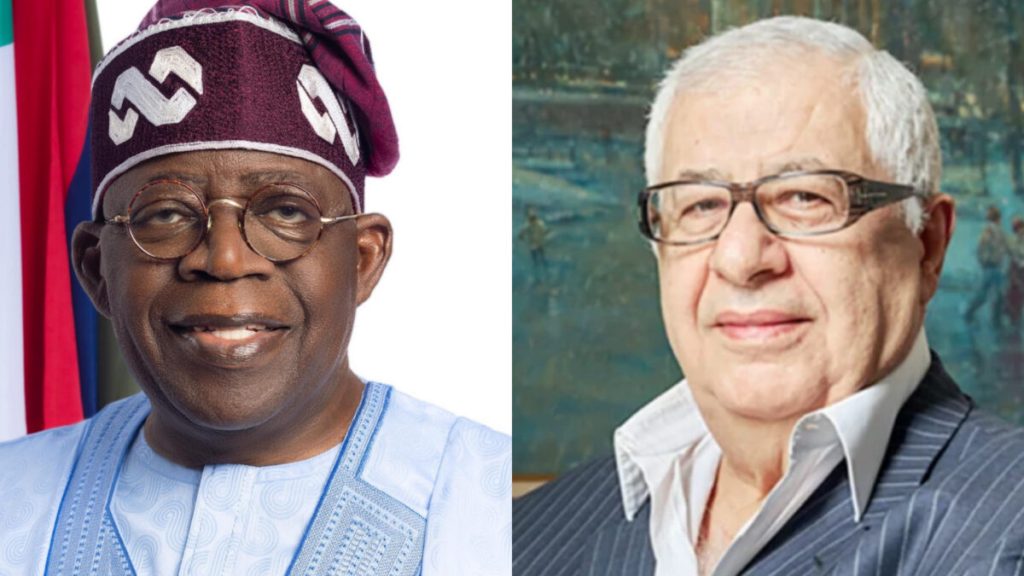
Gilbert Chagoury is a Lebanese-Nigerian billionaire who co-founded the Chagoury Group in Lagos in 1971. The conglomerate spans construction, real estate, hospitality, manufacturing, and infrastructure. His flagship projects include Eko Atlantic City (built on reclaimed land along the Atlantic coastline), Banana Island, and the Lagos-Calabar Coastal Highway — a 700-kilometre, 10-lane road project valued at N15 trillion, being executed by his company Hitech.
His Relationship with Tinubu
Chagoury’s relationship with Tinubu dates back to Tinubu’s tenure as Governor of Lagos State between 1999 and 2007. In January 2026, Tinubu conferred on Chagoury the Grand Commander of the Order of the Niger (GCON)c, Nigeria’s second-highest national honour, “because of his contributions to the country.”
Chagoury was a member of the Nigerian delegation to London when the £746 million ports financing agreement was signed.
His Role in the UK Ports Deal
The connection is direct. The construction companies contracted to execute the Lagos ports redevelopment — Hitech Nigeria and ITB Nigeria — are both owned by Chagoury. The £70 million British Steel contract is specifically for supplying steel billets to these two Chagoury-owned companies.
A report by Africa Intelligence in March 2025 revealed that the Federal Executive Council selected Chagoury Group and ITB Nigeria for the contract in February 2025. The Minister of Marine and Blue Economy confirmed in October 2025 that $1 billion had been approved for the ports modernization.
In other words: Nigeria borrows £746 million from the UK. A third of that is contractually directed to British suppliers. The construction contracts go to Chagoury’s companies. The debt is Nigeria’s.
His Role in France
Chagoury’s footprint in France is equally significant. He was among the first six Nigerian members of the France-Nigeria Business Council when it was inaugurated in 2021. He attended the France-Nigeria Business Council meeting at the Hotel de Marigny in Paris during Tinubu’s state visit, alongside French Finance Minister Antoine Armand and Jean Haas, Secretary General of the Council.
Allegations have been made, notably by former Blanco, Texas mayor Mike Arnold during a Channels TV interview, that Tinubu stays with Chagoury when visiting Paris, and that there is a recurring pattern between Tinubu’s trips to France and subsequent Nigerian government borrowing. Arnold provided no evidence for the alleged link, and the claim remains an allegation.
Commentator Kio Amachree, writing in Periscope International, went further: “He is the one organizing Tinubu’s offshore money in France. What does Tinubu know about France? He can hardly speak English, let alone French. Lebanese networks are all over Paris.”
The $20 Billion Question
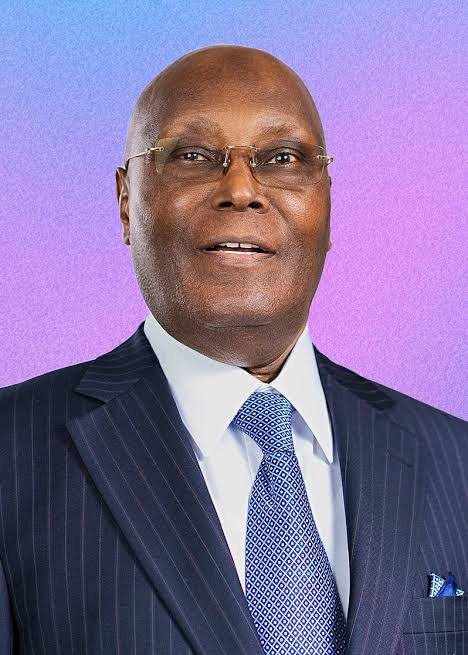
In August 2026, former Vice President Atiku Abubakar challenged Tinubu to explain $20 billion (approximately ₦27 trillion) worth of projects linked to Chagoury, citing reporting by The Economist. Atiku asked five specific questions:
1. Who awarded these contracts?
2. Were they competitively tendered?
3. What tax concessions, waivers, or privileges were granted?
4. Who are the ultimate beneficial owners?
5. Why does the same presidential associate keep appearing around projects worth billions of dollars?
Atiku argued that the concentration of contracts around a single presidential associate “approaching the scale of entire national budgets” demands public explanation. “You cannot preach sacrifice to hungry Nigerians while questions hang over ₦27 trillion worth of projects linked to your friend,” he said. “That is not reform. It is an assault on public trust.”
The Abacha-Era Background
Chagoury’s history includes a money laundering conviction in Switzerland linked to funds traced to the Sani Abacha network. He was prosecuted by Swiss authorities during international investigations into Abacha-era looting. This history has fuelled criticism of the decision to award him Nigeria’s second-highest national honour and to entrust him with billions in federal contracts.
THE PATTERN: WHAT THESE DEALS REVEAL
1. The Structural Asymmetry
Both deals share a common architecture: Nigeria takes on debt or commits to partnership, but the commercial benefits are pre-structured to flow to foreign suppliers and a connected local operator. In the UK deal, this is explicit, £236 million of the £746 million is directed to British companies. In France, the €300 million is in Letters of Intent, with Chagoury positioned within the France-Nigeria Business Council that shapes the pipeline.
2. The Chagoury Concentric Circle
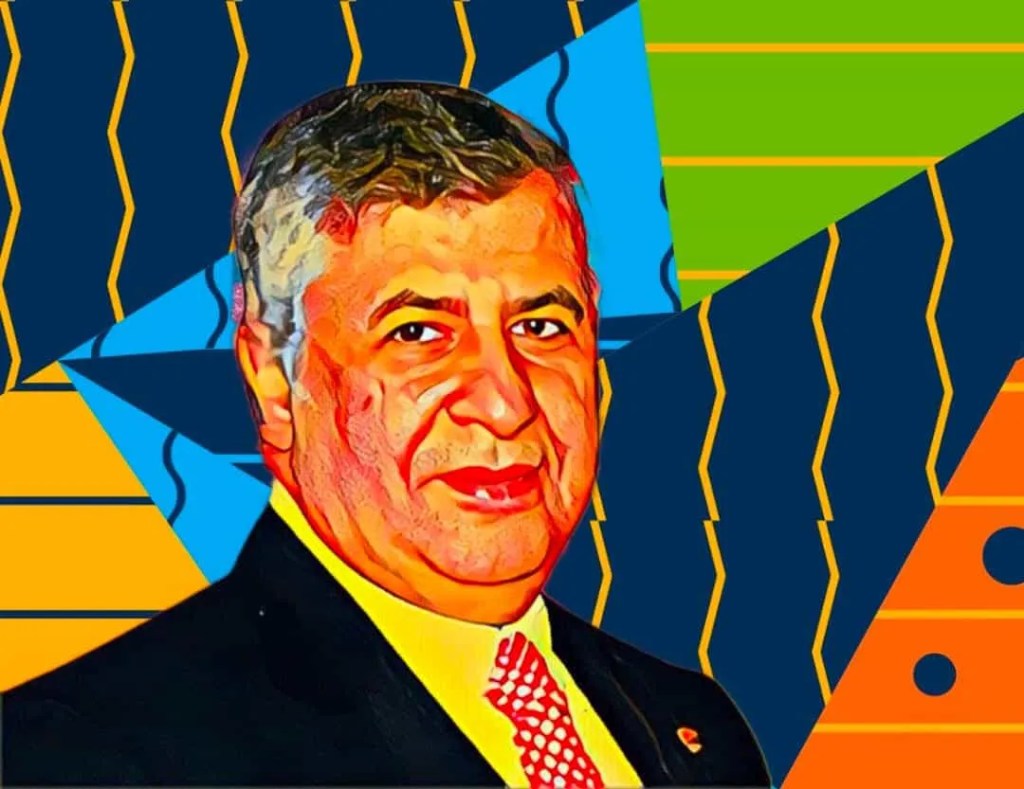
Chagoury appears at every layer of the UK deal: he was in the delegation, his companies are the contractors, and his companies receive the steel. His presence in the France-Nigeria Business Council places him at the table where French investment priorities are set. The question Nigerians must ask is not whether Chagoury is competent, his track record in construction is substantial, but whether one man’s proximity to power should determine who executes the nation’s largest infrastructure contracts.
3. Transparency Deficit
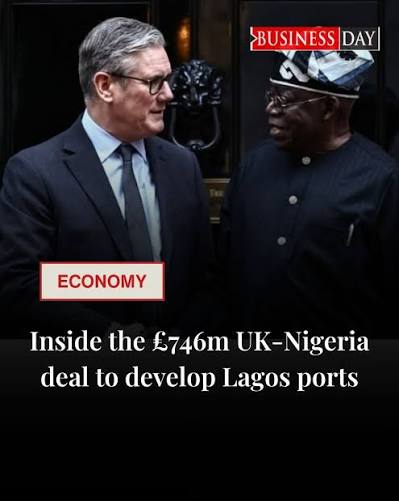
The full terms of the UK loan, interest rate, repayment schedule, guarantees, and conditions, have not been published. The €300 million France Letters of Intent have not been converted into publicly disclosed contracts. The National Assembly’s role in scrutinizing these agreements remains unclear. As with the US critical minerals framework, Nigerians are being asked to trust without seeing.
4. The “Mugu Deal” Question
The ADC’s National Publicity Secretary, Bolaji Abdullahi calls it a “Mugu Deal”. The framing captures a legitimate concern: Nigeria is borrowing £746 million, a third of which must be spent on British goods and services, to fund infrastructure that will be built by a company owned by a presidential associate. The British economy gets a guaranteed order book. The Nigerian economy gets debt and, potentially, improved ports. Whether the trade-off is worth it depends entirely on the terms of the loan and the execution of the project, neither of which has been fully disclosed.
Conclusion: Deals for Whom?
President Tinubu’s state visits to the UK and France have produced tangible agreements that could, if properly executed, deliver real benefits: modern ports, agricultural investment, critical minerals development. But the architecture of these deals — the tying of loans to foreign suppliers, the concentration of contracts around a single connected businessman, the opacity of terms, raises fundamental questions about who they are really designed to benefit.
The Searchlight calls on the Federal Government to:
1. Publish the full terms of the £746 million UK loan, including interest rate, repayment schedule, and all conditions.
2. Disclose the procurement process for the Lagos ports contracts, including whether Chagoury’s companies were competitively selected.
3. Publish the specific projects under the €300 million France Letters of Intent, with named contractors and timelines.
4. Explain the GCON award to Chagoury in light of his Swiss money laundering conviction.
5. Submit all agreements to the National Assembly for scrutiny.
6. Establish a public beneficial ownership register for all companies receiving federal infrastructure contracts.
Nigeria is not a friends-and-family investment portfolio. The deals may be signed. The questions are not.


Leave a comment