By Our Investigative Desk, The Searchlight / September 21, 2026
A president who will not speak to his own people. A commander-in-chief who avoids the world’s most important diplomatic stage for three consecutive years. A leader who spends millions in foreign legal fees to bury records that he claims contain nothing damaging. When a pattern of avoidance becomes this consistent, it ceases to be coincidence. It becomes a strategy.
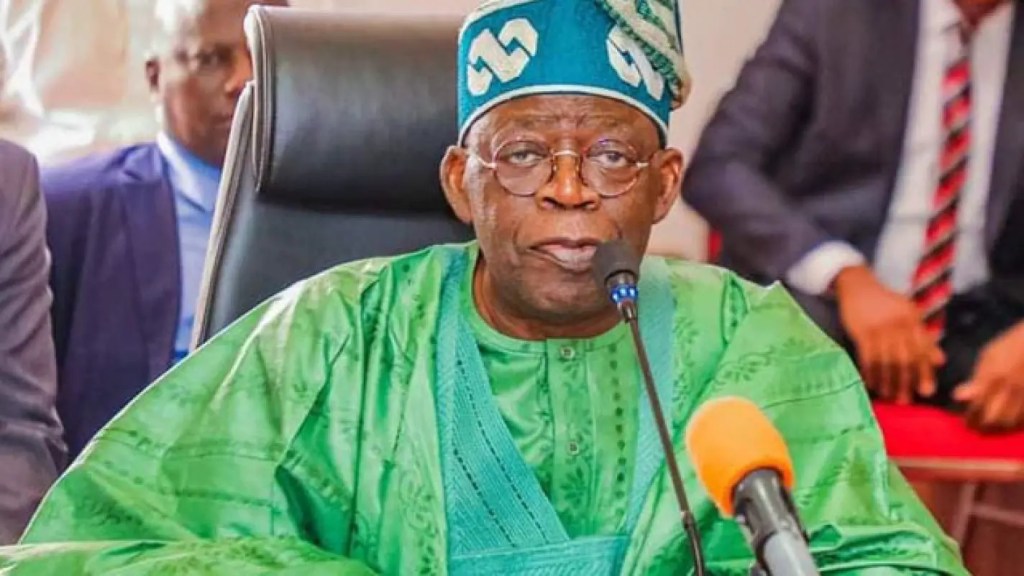
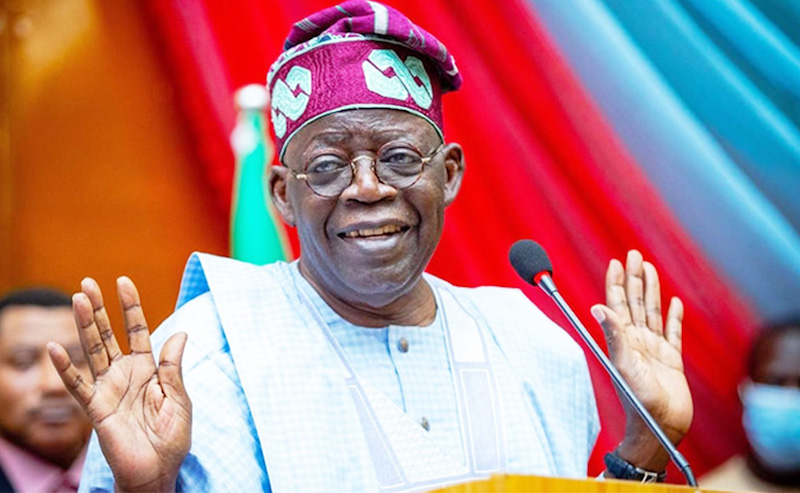
President Bola Ahmed Tinubu has governed Nigeria for over three years. In that time, he has never held a direct, unscripted press conference to address the allegations that have shadowed his political career for three decades. He has never stood before the United Nations General Assembly. He has never personally answered questions about the $460,000 forfeiture, the Chicago heroin investigation, or the certificate forgery claims. Instead, he has deployed spokesmen, lawyers, and a vice president to do the work of defending his name.
The Searchlight examines five questions that the Nigerian public deserves to have answered directly, by the man they elected.
(a) If It Was Only a Civil Case, Why Spend Millions to Bury the Files?
The official line from the Presidency is clear and consistent: the 1993 forfeiture of $460,000 was a civil matter. Tinubu was never criminally charged. The case was resolved through a negotiated settlement. There is, they insist, nothing new to reveal. If this is true, the obvious question is: Why fight so hard to keep the records sealed?
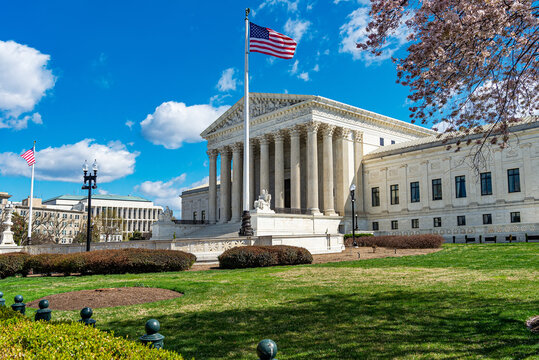
In April 2025, U.S. District Judge Beryl Howell ruled that the FBI and DEA’s blanket refusal to confirm or deny the existence of investigative files, known as a Glomar response, was “improper and must be lifted.” She found that the agencies had already confirmed investigations into Tinubu, and that any privacy interest was “overcome by the public interest in release of such information”.
Tinubu’s legal team intervened. In a 16-page court filing, his lawyers argued that releasing the records would infringe on his privacy rights, even though the forfeiture proceedings had already been public for decades. Then came the FBI’s ex parte filing: a 399-page unredacted file submitted solely to the judge, claiming that disclosure would “disclose techniques and procedures for law enforcement investigations” and “could reasonably be expected to endanger the life or physical safety of any individual”.
The question writes itself. If the files contain only the details of a settled civil matter, already public knowledge, why would their release endanger anyone’s life? Why would the FBI need to submit nearly 400 pages of secret evidence to a judge to justify keeping them hidden?
The Searchlight does not assert that Tinubu is guilty of anything beyond what the public record shows: a civil forfeiture, never a criminal conviction. But the intensity of the legal battle to suppress these documents is, in itself, a statement. It suggests that the files contain something more than the sanitized narrative the Presidency has offered.
(b) Three UNGA Absences: What Is Tinubu Afraid Of?
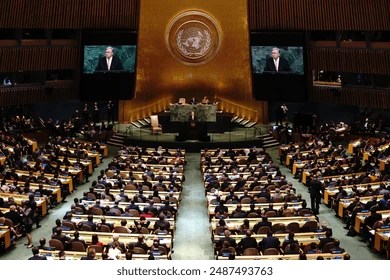
In September 2026, Vice President Kashim Shettima led Nigeria’s delegation to the 81st United Nations General Assembly in New York. It was the third consecutive year that President Tinubu had skipped the gathering, after absenting himself from the 79th UNGA in 2024 and the 80th in 2025.
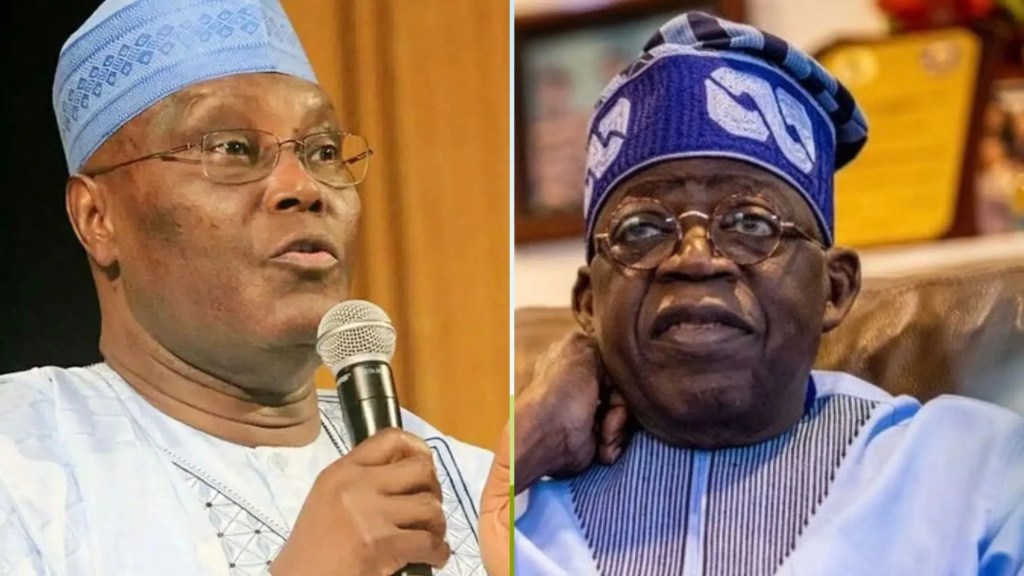
Former Vice President Atiku Abubakar, Tinubu’s principal opponent in the 2023 election, has demanded answers. “A President may surrender his seat, but a nation cannot escape the bill,” he said. Atiku questioned whether Tinubu’s “American baggage”, the 1993 forfeiture case and the ongoing FOIA litigation, has made him unwilling to set foot on U.S. soil. The Presidency has offered no clear explanation. In 2024, officials said Tinubu remained in Nigeria to address domestic flooding. No comparable justification has been provided for 2025 or 2026.
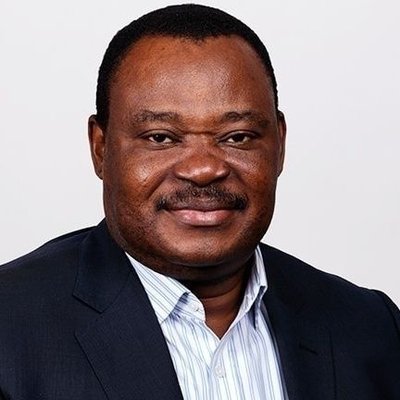
Ambassador Jimoh Ibrahim, Nigeria’s Permanent Representative to the UN, told the public that a seat had been secured for Tinubu “not too far from where President Donald Trump will be seated.” That seat remained empty. “The seat was secured, but the President disappeared,” Atiku said. “What exactly are you afraid of in America?”
The Searchlight notes that Tinubu is not legally barred from entering the United States. No official travel restriction has been announced. But the pattern is unmistakable: a president who will travel to Paris, to London, to other capitals, but not to New York, where the world’s leaders gather and where American journalists and legal scrutineers are waiting.
(c) The French Connection: Gilbert Chagoury and the $20 Billion Question
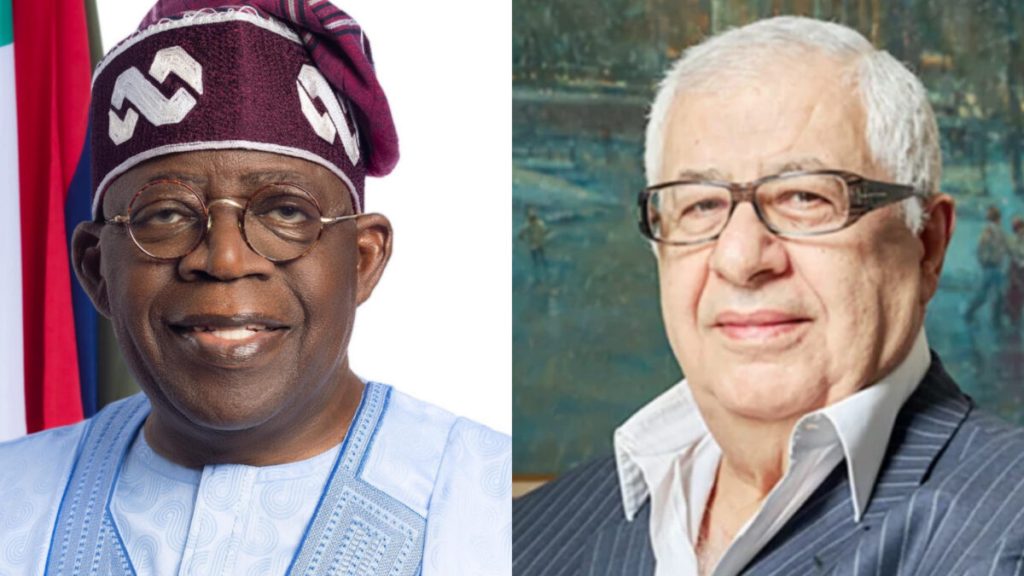
When Tinubu travels abroad, France is a frequent destination. And in France, his closest associate is Gilbert Chagoury, a Lebanese-Nigerian billionaire whose history is as controversial as it is documented.
Chagoury served as a financial advisor to General Sani Abacha, the military dictator accused of stealing over $4 billion from Nigeria’s treasury. In 2000, a Swiss court convicted Chagoury of money laundering and assisting a criminal organization. He paid fines and returned $66 million. Later, U.S. authorities accused him of illegal political donations through straw donors; he settled for $1.8 million.
Today, Chagoury is described as Tinubu’s “confidant” and “business associate.” Africa Confidential reports that Tinubu awarded Chaghoury’s company, Hitech Construction, a $13 billion contract to build the Lagos-Calabar Coastal Highway, without competitive bidding.
Atiku Abubakar has demanded that Tinubu explain what he describes as approximately $20 billion in projects linked to Chagoury. “You cannot preach sacrifice to hungry Nigerians while questions hang over ₦27 trillion worth of projects linked to your friend,” Atiku said.
The Searchlight asks: When President Tinubu boards a flight to France, is he conducting state business, or managing a relationship that would not survive scrutiny at home?
(d) The President Who Never Speaks
Peter Obi, the Labour Party’s 2023 presidential candidate, put it bluntly in July 2026: “We voted for Bola Tinubu. He no longer speaks to us; he has entered Aso Rock and turned it into a bunker”.
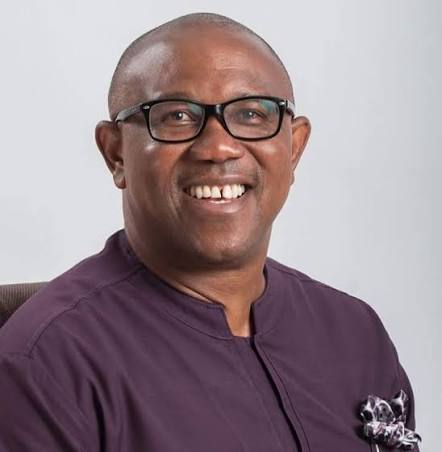
Obi’s metaphor is apt. Tinubu governs through proxies. When controversies arise, it is not the President who addresses the nation. It is Bayo Onanuga, the presidential spokesman. When legal battles unfold in American courtrooms, it is not the President who explains his position. It is his lawyers, filing motions in Washington.
Atiku has noted the irony: “The President cannot answer every allegation of corruption and nepotism by deploying his spokesman to insult critics”.
The Searchlight recognizes that modern presidencies employ communications teams. But there is a difference between a president who delegates messaging and a president who has effectively outsourced his voice entirely. Tinubu has never held a press conference to take questions from Nigerian journalists. He has never sat for an unscripted interview on the allegations that define his public image.
A president who will not speak cannot be held accountable. And a president who cannot be held accountable is, by definition, a president who has something to hide.
(e) The Silence on Forgery, Drugs, and Falsehood
Three allegations have followed Tinubu for decades. He has never addressed any of them directly.
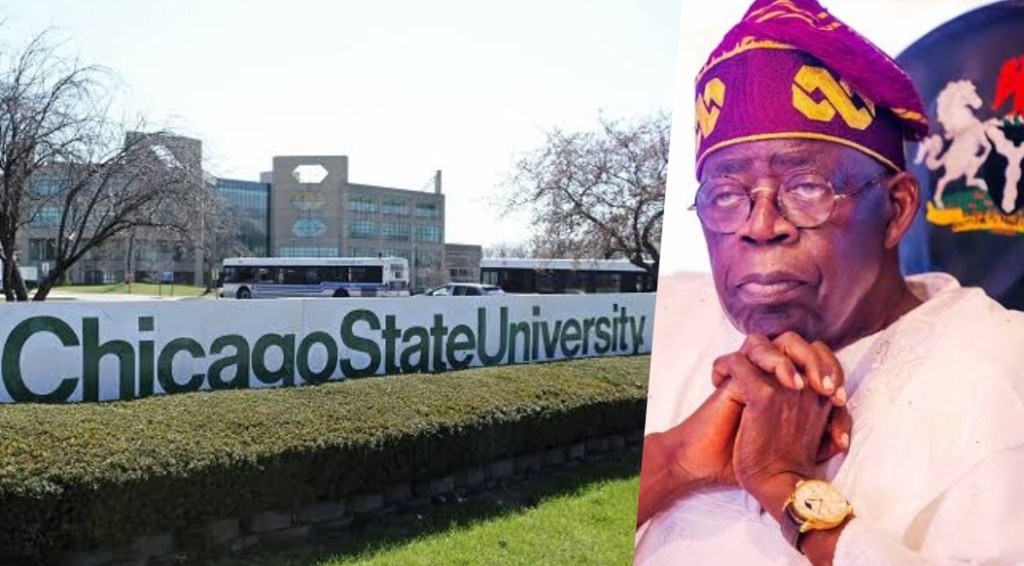
The certificate question: Tinubu claims he graduated from Chicago State University in 1979. Critics have alleged that the diploma he submitted to the Independent National Electoral Commission was forged. BBC’s disinformation team found “no evidence” to support the forgery claim. But the controversy persists because Tinubu has never held a press conference to display his credentials and answer questions. In 2026, a lawyer and ADC member, Kalu Kalu, called on Tinubu to “come out and tell Nigerians, ‘This is my primary school certificate. This is my secondary school certificate’”.
The drug question: The 1993 forfeiture is a matter of public record. Tinubu’s defenders correctly note that it was a civil action, not a criminal conviction. But the details of the investigation, who was involved, what was found, why the case was settled rather than prosecuted, remain largely hidden. Tinubu has never personally addressed the specifics.
The falsehood question: If Tinubu submitted false information to INEC, or misrepresented his educational history, he has never been required to answer for it in a public forum. Courts have dismissed legal challenges on technical grounds. But legal dismissal is not the same as public exoneration.
The Searchlight does not presume guilt. But we note a simple fact: an innocent man with nothing to hide does not need to hide.
Conclusion: The Pattern Is the Evidence
President Tinubu may be legally entitled to his silence. He may be legally entitled to send his vice president to New York. He may be legally entitled to hire American lawyers to fight the release of FBI files. But the Nigerian people are entitled to ask why.
Why spend millions to bury records that supposedly contain nothing? Why avoid the United States for three consecutive years? Why retreat to the company of a man convicted of money laundering? Why never speak directly to the citizens who elected you? Why leave every allegation unanswered?
The Searchlight does not have the answers. But we know where they might be found; in a 399-page FBI file, in a French villa, in a court filing that Tinubu’s lawyers are fighting to keep sealed. Until those answers are given, the silence will speak louder than any spokesman’s denial.


Leave a comment