By A Searchlight Correspondent / September 11, 2026
Illegal gold mining has evolved from a traditional artisanal livelihood into a core component of the criminal political economy that finances weapons, recruitment, territorial control, and logistics for armed groups.
Scale and Economics
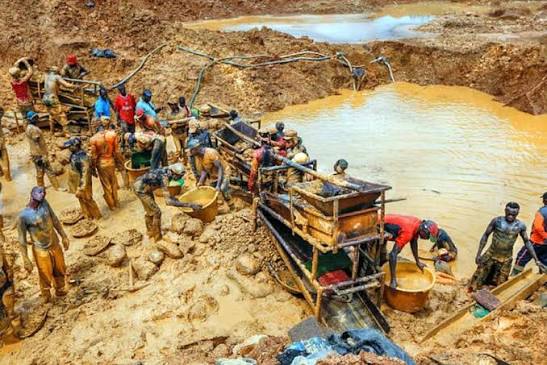
Nigeria loses an estimated $9 billion or more annually to illegal mining and gold smuggling overall, with the North-West accounting for a large share. Artisanal and small-scale gold mining (ASGM) dominates as reports indicate that 70–95% of Nigeria’s gold output occurs outside formal regulation, and that up to 80% of mining activity in the North-West is illegal. Global gold prices and accessible surface deposits in places like Maru, Anka, and other Zamfara localities made the activity highly lucrative even for low-tech operations.
Armed groups (bandits, some with ideological or opportunistic ties to broader Sahel networks) moved from taxing or raiding miners to directly controlling or co-opting sites. Credible field reporting and statements from security officials and researchers estimate that individual kingpins or factions can generate tens to hundreds of millions of naira weekly from controlled pits. Figures in the range of ₦100–300 million have been cited for prominent operators or successors to figures such as Halilu Sububu. Proceeds are converted into cash via local black-market dealers in Gusau markets or smuggled outward.
Mechanisms Linking Mining to Violence
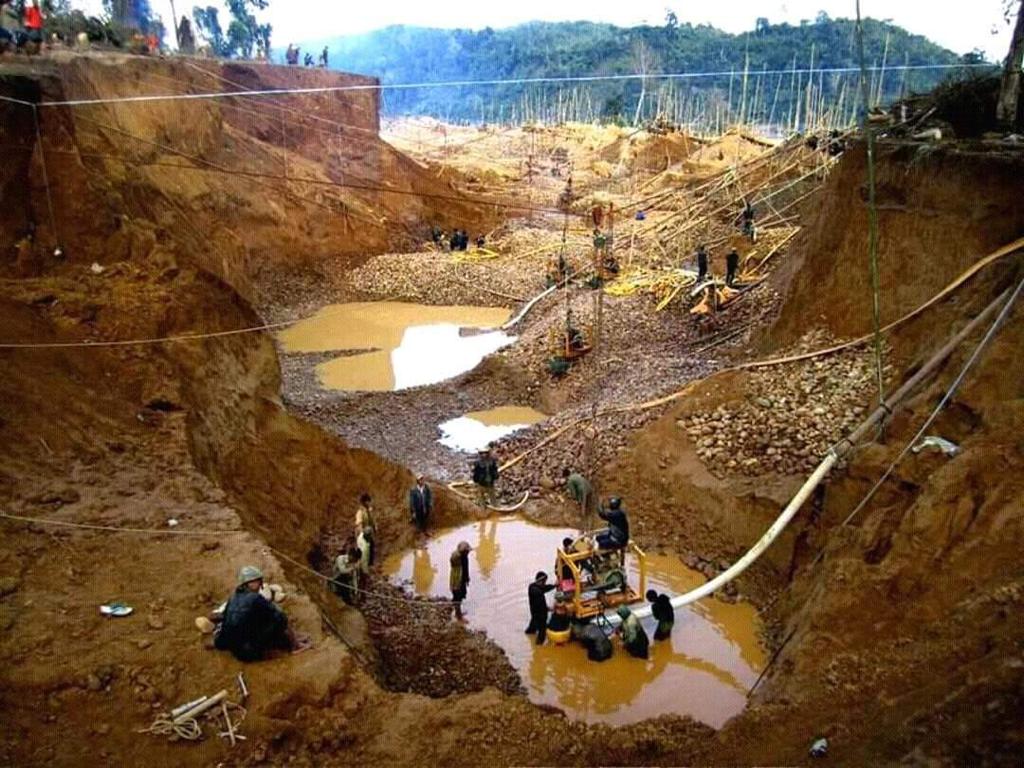
- Direct revenue and arms acquisition: Gold is sold locally, refined through informal networks, or moved across porous borders into the Sahel and onward (frequently toward Dubai and other hubs). Proceeds purchase AK-47s, ammunition, motorcycles, and other equipment. Some accounts describe direct gold-for-arms exchanges with suppliers along the Nigeria–Niger–Mali corridors.
- Control and coercion: Groups seize pits, force local miners under threat of death to dig for them, impose levies or “protection” fees, and displace communities. Mining sites then become bases or safe zones that are rarely attacked by rival groups in the same way villages are. This creates parallel governance in ungoverned spaces.
- Feedback loop with other crimes: As cattle rustling and pure kidnapping yields fluctuated, mining provided more stable, scalable income. Violence against farming communities clears land or creates displacement that facilitates access to deposits. Competition among factions over sites itself leads to wanton killings.
- Elite and external facilitation: Investigations and official comments (including from the Minister of Solid Minerals) point to networks involving politically connected Nigerians, local middlemen, traditional authorities in some cases, and foreign actors (notably Chinese-linked operators in certain states who have paid protection or bribes). Smuggling routes clean and launder the gold into legitimate markets.
This is not the sole driver of banditry; poverty, farmer-herder tensions, weak state presence, arms proliferation from the Sahel, and governance failures matter, but it has become one of the most important sustainable financing streams, elevating the firepower and resilience of groups beyond what ransom or rustling alone could achieve.
Official Recognition and Responses
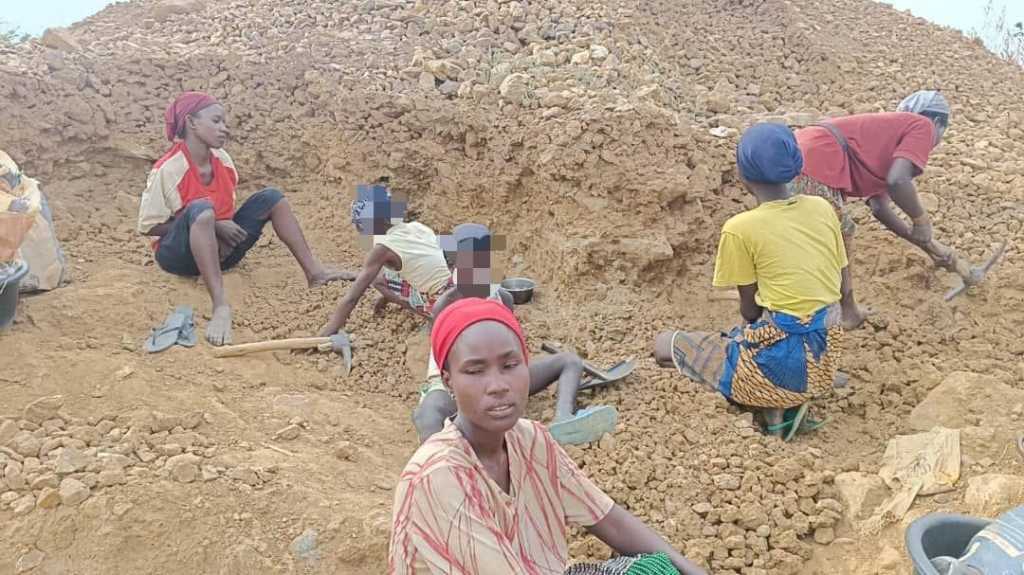
Nigerian authorities have repeatedly acknowledged the nexus. A temporary ban on mining in Zamfara was imposed around 2019–2020 precisely because of the financing link; it was later lifted or adjusted amid enforcement challenges. Senate reports, statements by security chiefs, and the Ministry of Solid Minerals have identified illegal ASGM as a major enabler of insecurity. State-level measures (e.g., executive orders restricting traditional rulers’ consent letters for mining in Zamfara) and federal efforts through mining marshals, site shutdowns, and kinetic operations have been attempted, with mixed results due to the vast terrain, complicity networks, and economic desperation of local populations.
Northern leaders and forums have also highlighted illegal mining as a priority, calling for better regulation, community alternatives, and security focus on sites. Enforcement remains incomplete as closed sites often resume after temporary disruptions, and the black-market chain is resilient.
Broader Impacts and Caveats
The activity keeps devastating communities through forced labour, environmental damage (mercury use, land degradation), child involvement in some areas, and the cycle of displacement and retaliation. It starves formal state revenues that could fund services or security. At the same time, for many impoverished residents it remains one of the few available incomes, creating a coercive dependency that complicates purely kinetic solutions.
Claims linking specific high-profile politicians to direct control or massive personal profit from the trade (as seen in earlier discussions of certain former Zamfara governors) circulate frequently in political contests. Some are supported by committee findings on governance failures or corruption probes related to mining-adjacent funds; others remain contested allegations without final court determinations of terrorism financing. The structural problem in the capture of the resource by armed groups and associated networks is still persisting, regardless of individual cases.
Illegal gold mining has transformed from a parallel economy into a key pillar of the banditry business model in the North-West. Disrupting it requires simultaneous security control of sites, formalization or alternative livelihoods for artisanal miners, tighter border and export controls, and accountability for any elite facilitation. Without addressing this revenue stream, kinetic operations against bandits face a continually replenished adversary.
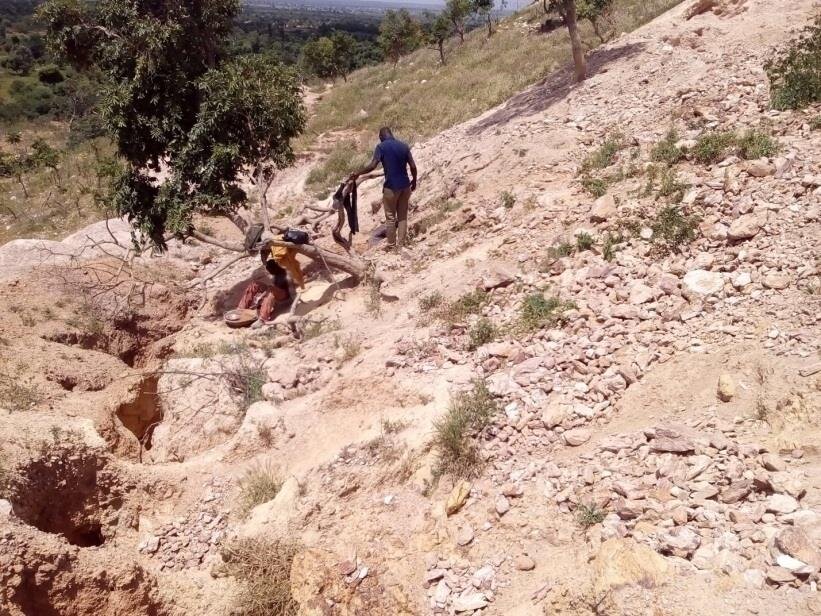
Meanwhile, Mercury, a highly toxic heavy metal whose environmental impacts are severe, long-lasting, and global in scale is persistently used in the mining ares. In the context of artisanal and small-scale gold mining (ASGM), the largest intentional anthropogenic source of mercury emissions worldwide, it is released in large quantities during the amalgamation process used to extract gold from ore. Nigeria’s North-West (especially Zamfara) exemplifies these problems, but the mechanisms and consequences are consistent across ASGM regions globally.
Primary Release Pathways in ASGM
Miners mix liquid elemental mercury with crushed ore to form a gold-mercury amalgam. The amalgam is then heated (often in open fires), vaporizing the mercury and leaving behind the gold. Estimates indicate that a large fraction of the mercury used, often 40% or more, and frequently ratios of mercury lost to gold produced exceeding 1:1 or even 3:1, is released into the environment:
- Atmospheric emissions: Vapor from open burning disperses widely. ASGM accounts for roughly 37% of global anthropogenic mercury emissions. Mercury vapor can travel long distances before depositing through rainfall or dry deposition.
- Soil and sediment contamination: Tailings, that is, waste ore mixed with residual mercury, are dumped on land or into waterways.
- Aquatic systems: Mercury enters rivers, streams, and groundwater through direct dumping, runoff, and atmospheric deposition.
In the Nigerian ASGM sites (Zamfara, Niger, Kaduna, and others), annual mercury use has been estimated in the thousands of kilograms per major state with thousands of kg in Zamfara alone in baseline assessments. Similar patterns occur in the Amazon, Southeast Asia, and other gold-rich regions.
Transformation and Bioaccumulation
Elemental mercury (Hg⁰) is relatively less bioavailable, but in anaerobic sediments and water bodies it is converted by sulfate-reducing bacteria into methylmercury (MeHg), the most toxic and bioaccumulative form.
Methylmercury:
- Bioaccumulates in organisms and biomagnifies up the food chain.
- Reaches high concentrations in predatory fish, which then expose humans and wildlife that consume them.
- Persists in ecosystems for decades to centuries.
Recent research also shows direct atmospheric uptake by plants: staple food crops near ASGM sites can accumulate mercury primarily from air (via leaves) at levels 10–50 times higher than distant fields, adding another contamination pathway beyond soil or water.
Impacts on Ecosystems
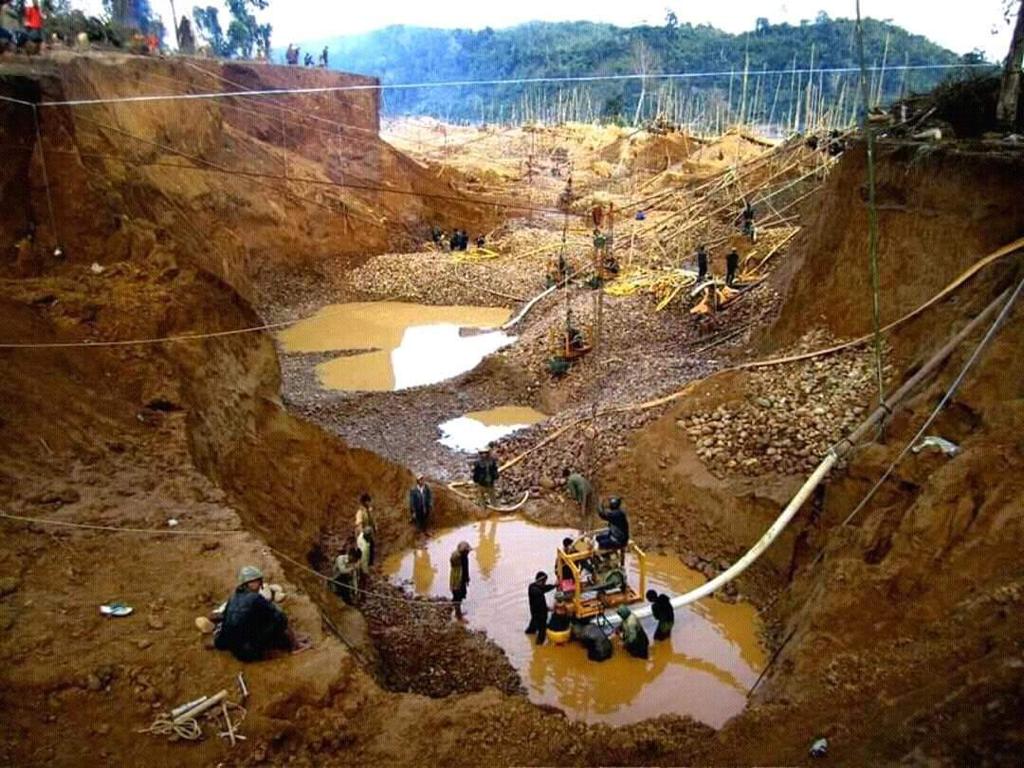
- Aquatic life: Elevated mercury reduces biodiversity, impairs fish reproduction and neurological function, and contaminates entire food webs. Increased turbidity from mining sediment further stresses aquatic organisms by reducing light and oxygen.
- Terrestrial systems: Soil contamination harms microbial communities, plants, and soil invertebrates. Forests near mining can act as mercury sinks; when cleared, stored mercury is released into aquatic systems. Birds, mammals, and other wildlife show elevated tissue levels, with documented effects on reproduction, behavior, and survival (e.g., high mercury in Amazonian songbirds and primates near mining).
- Land degradation synergy: Mining itself causes deforestation, erosion, and habitat loss; mercury pollution compounds these by rendering residual ecosystems toxic. Abandoned pits and ponds can become hotspots for methylation.
In Zamfara and similar Nigerian sites, heavy-metal studies (including lead co-contamination from gold ores) show extreme enrichment factors and elevated ecological risk indices in soils around mines. Water bodies downstream frequently exceed safe thresholds.
Human and Broader Consequences Linked to Environmental Contamination
While direct occupational exposure through inhalation of vapor and skin contact is acute for miners, environmental pathways affect wider populations through contaminated fish, water, crops, and dust. Chronic low-level exposure causes neurological damage especially severe in developing fetuses and children, kidney and liver harm, developmental delays, and other systemic effects. The 2010 Zamfara lead-poisoning crisis which killed hundreds of children, occurred alongside mercury use; both metals remain co-contaminants in many sites.
Globally, ASGM-derived mercury contributes measurable IQ losses and mortality even in distant populations via atmospheric transport and ocean food webs. Monetized health impacts are substantial relative to the sector’s economic output.
Persistence and Remediation Challenges
Mercury does not break down. Once released, it cycles through air, soil, water, and biota for generations. Historical gold rushes as it occurred in 19th-century California, still show elevated levels today. Remediation options (soil excavation, phytoremediation, chemical stabilization, sediment capping are expensive, site-specific, and often incomplete, especially in remote or conflict-affected areas.
The Minamata Convention on Mercury, to which Nigeria is a party, specifically targets ASGM mercury use, calling for national action plans to reduce and eventually eliminate it through formalization, alternative technologies such as gravity concentration, retorts that capture vapor, and enforcement. Progress is limited where poverty, weak governance, and insecurity drive continued informal mining.
Mercury from ASGM transforms local gold extraction into a multi-pathway toxic release that contaminates air, soil, water, and food chains, with cascading effects on ecosystems and human health that extend far beyond the mine sites and persist long after mining ceases. Addressing it requires both technical alternatives to amalgamation and control of the underlying drivers of unregulated mining.


Leave a comment