By The Searchlight Correspondent / September 8, 2026
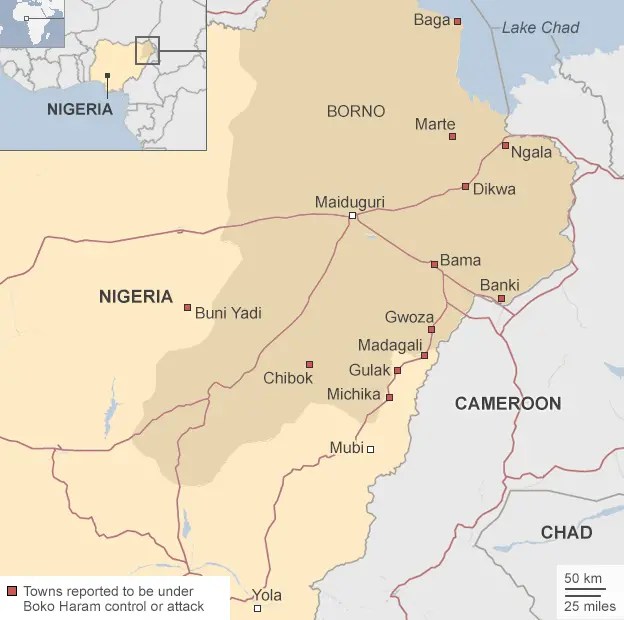
What began as a localized insurgency in Nigeria’s Northeast has metastasized into a national haemorrhage. Today, the violence has swept across the Northwest, North-central, and now threatens every corner of the country. The result is a humanitarian catastrophe of staggering proportions: an estimated 3.7 million Nigerians remain internally displaced, scattered across approximately 3,900 camps and settlements nationwide. Their homes have been razed, their farmlands seized, and their lives confined to squalid camps that were meant to be temporary but have evolved into permanent prisons of the dispossessed.
With the government seemingly paralyzed, one must ask: Why is the state abandoning its citizens to the camps, and what, or who, is behind the transformation of this crisis into a systematic land grab?
The “Clash” That Is No Clash at All
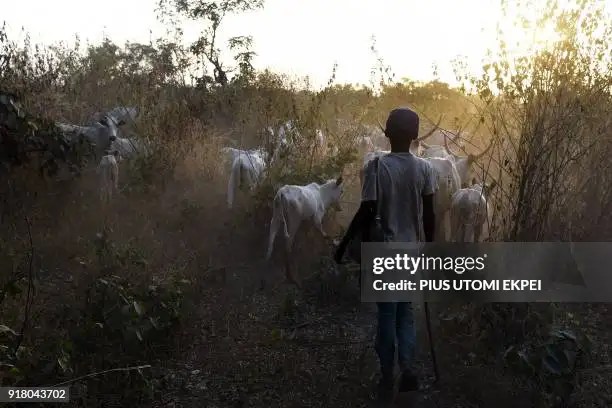
The official narrative frames the crisis as “farmer-herder clashes”, a euphemism suggesting a symmetrical conflict between two groups competing for resources. However, the reality on the ground tells a different story. The violence is characterized by heavily armed militia attacking agrarian communities, burning villages, and systematically occupying seized farmlands and homes.
One victim, China Peters, a Benue State farmer, told BusinessDay: “I now live in an IDP camp with other farmers from my village and other villages” . Before the attacks, Peters cultivated yams and cassava on a large acre of land that provided his family with a livelihood. He is not alone. Between 2019 and early 2026, at least 112 people, including farmers, have died as a result of growing land dispute incidents across Nigeria. Approximately 72.7 percent of traders across states report direct experience of land conflict impacts, posing a serious risk to food security and the safety of players in the food supply chain.
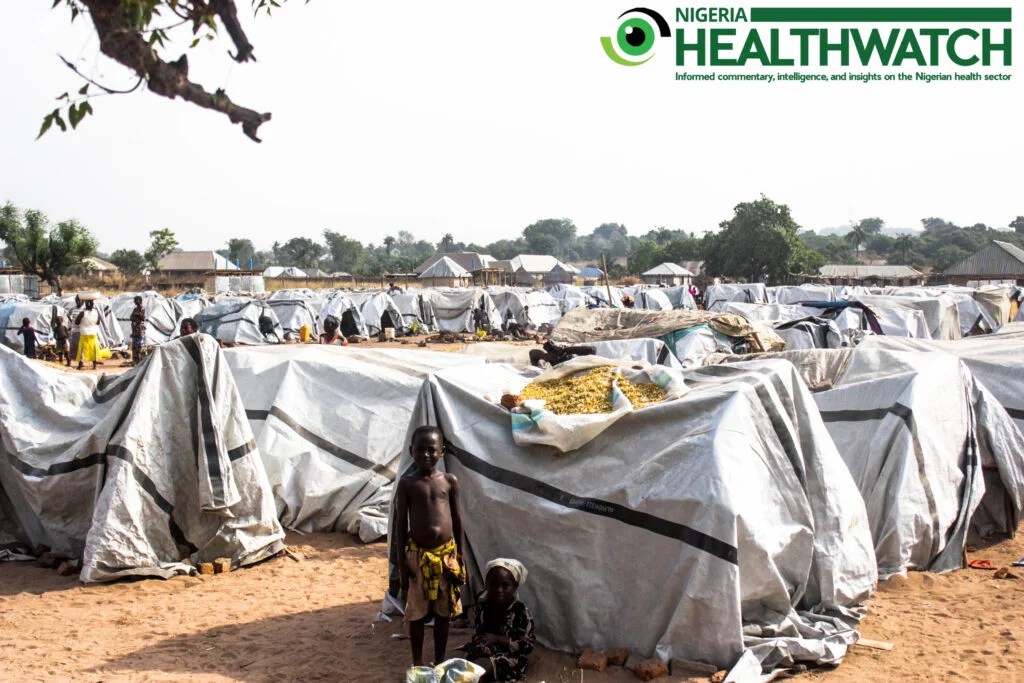
The dispossession is so complete that socio-cultural organizations in Benue State are now demanding the Federal Government prioritize the return of displaced residents before proceeding with pilot ranching programs. Air Commodore Titus Agbecha (rtd.), President General of Mzough U Tiv and Chairman of the Benue Socio-Cultural Organisations, issued a devastating indictment of the situation: “We currently have over 500,000 Benue people living in Internally Displaced Persons (IDP) camps across Benue State. They have no home to return to, no shelter, no farms and no livelihood”.
He warned that establishing ranches while land owners remain refugees “will be seen as rewarding violence and dispossession”. “Benue is the food basket of the nation. For Nigeria to be food secure, Benue farmers must first be secure on their land”.
The government’s inaction amounts to a de facto policy of land annexation, a new feudalism where the state sanctions the seizure of territory by non-state actors. Why else would the Federal Government leave millions of its citizens in limbo, disconnected from their ancestral lands, with no clear plan for return or restitution?
The Senator, the Clerics, and the Web of Impunity
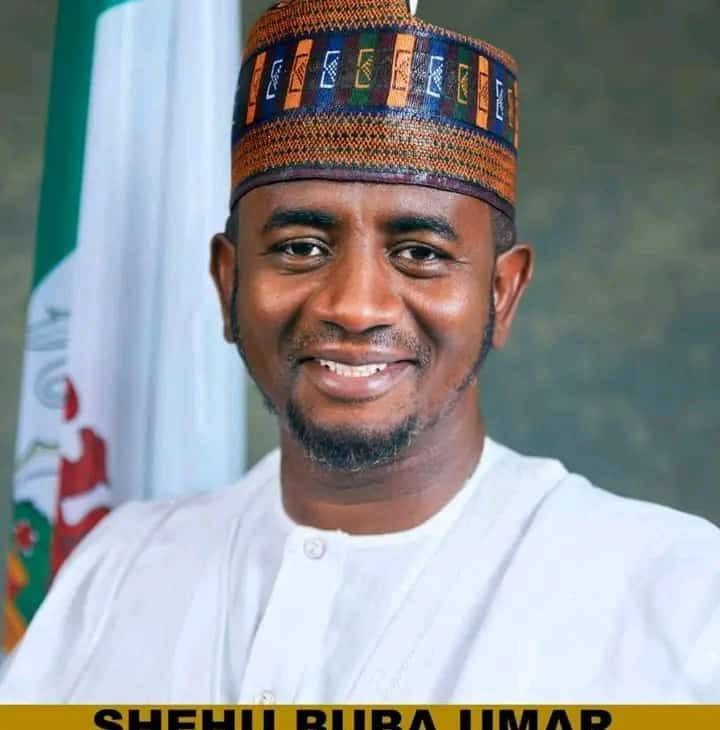
If the land seizure is the vehicle of this tragedy, then the protection of the perpetrators is its engine. Senator Shehu Buba Umar, representing Bauchi South, has been at the centre of a vortex of allegations so serious they demand a national inquiry. A whistleblower identified as Hassan, in a viral video interview with social media influencer “D English Alhaji,” alleged the senator has hosted high-profile bandit kingpins at his residence, shared meals with them, and facilitated their activities. Hassan further alleged that suspected bandits were accommodated at the senator’s residence. When he attempted to flee to Niger Republic, Buba allegedly sent his Personal Assistant to locate him, a claim now entangled in a far more disturbing development.
The Missing Aide
The wife of Hon. Abdullah Ori, an aide to Senator Buba, has made a desperate public appeal. In a video circulating on social media, she alleges her husband was sent to Niger Republic on an assignment to search for Hassan. She said she was initially able to communicate with her husband by telephone. However, during Ramadan, Abdullah reportedly told her that Senator Buba would travel to Niger Republic and facilitate his return home. “After that communication, she lost contact with her husband and has since been unable to see him or determine what happened to him”.
The wife now appeals directly to Senator Buba to intervene, help trace her husband, and provide clarification regarding what may have happened to him. A year has passed, and the senator has yet to provide answers. This paints a picture of a senator acting not as a legislator, but as a warlord, deploying his own militia on international missions of intimidation and extrajudicial kidnapping.
The Hajj Pilgrimage Scandal
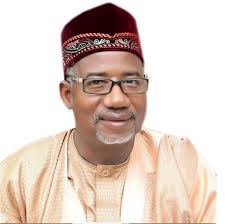
The allegations extend to the 2024 Hajj pilgrimage. Bauchi State Governor, Bala Mohammed, wrote President Bola Tinubu on September 19, 2024, alleging that Buba, through an aide identified as Yahaya Ibrahim, facilitated the registration and funding of two individuals, Abubakar Idris and Zainab Gado, for the 2024 Hajj. The governor’s petition alleged that Idris was suspected of involvement in banditry and kidnapping in Zamfara State. When DSS operatives requested their e-passports during Hajj operations, Gado had already travelled, while Idris was detained. The governor described the circumstances as “deeply worrisome as it suggests the senator’s complicity in supporting, enabling and empowering bandits to cause mayhem and go unscathed”.
The Northern States Christian Elders Forum Speaks
The Northern States Christian Elders Forum (NOSCEF) has called for a “thorough, independent, and transparent investigation” into the allegations. The group’s chairman, Elder Sunday Oibe, declared: “This is not a matter that should be handled with political convenience or treated as an issue affecting one individual. It concerns the national security of Nigeria, and nothing must be covered up”. The elders stressed that “Nigerians had a right to know the outcome of any investigation, insisting that national security should take precedence over political, ethnic and religious considerations”.
The forum called on Senator Buba to “step aside from his legislative responsibilities pending the conclusion of the investigation” to “demonstrate accountability and allow the relevant security agencies to conduct their duties without interference”.
Senator’s Defence
Senator Buba has denied the allegations, describing them as “propaganda, false narratives and manipulated videos”. He insists the viral material consists of two unrelated video clips, footage of Kaduna-based Hajj returnees who visited his residence in 2023, and another clip showing different individuals displaying passports. “The individuals in the first video spoke Fulfulde; those in the second spoke English. The claim that these clips constitute evidence of bandits visiting my residence is false,” he said .
He claims to have taken legal action in both Nigeria and Niamey, Niger Republic, against those responsible for the allegations. He argues that his previous role as chairman of the Senate Committee on National Security and Intelligence required discretion: “Nigeria cannot defeat insecurity by military force alone. Sustainable security requires winning the trust of vulnerable communities”.
The Clerical Shield
Despite the mounting evidence and public outcry, Senator Shehu Buba enjoys a powerful shield from influential Islamic clerics. In April 2026, Buba held a special meeting with the Shura Council of Bauchi State, attended by prominent Islamic scholars including the Chief Imam of Bauchi Jumma’at Mosque, Imam Bala Ahmad Baban Inna, Dr Bashir Sheikh Dahiru Bauchi, and numerous other clerics. Sheikh Yusuf Abdullahi Jahun, chairman of the Shura Council, “commended Senator Buba for executing projects that have a direct bearing on the life of the people and prayed to Allah to reward him abundantly”.
The Bauchi State Muslim Parliament has “expressed unwavering support for Senator Shehu Buba Umar” and “strongly condemned vicious smear campaigns and image-tarnishing against Senator Umar”. The organization urged stakeholders to “join hands in addressing Nigeria’s security challenges” and appealed to “Islamic scholars who engage in unwarranted calls, disgust and smear public utterances” to “listen to voices of reasons and come back to their senses”.
Why are these revered religious figures defending a man accused of such heinous crimes? The answer is a complex, disturbing cocktail of ethnic solidarity and political expediency. Senator Buba, a Fulani, represents a demographic that feels embattled by changing climate and economic pressures. The clerics may view his prosecution as a tribal witch-hunt, a threat to the political power of the Fulani elite in the North. By framing his actions as “self-defence” or even “protection” of the Fulani community, they provide him with a religious and moral shield.
Furthermore, this protection is likely transactional. Senator Buba is not just a politician; he is a power broker. His alleged network of violence provides him with immense leverage. The clerics are not just defending a co-religionist; they are defending a political patron who controls a significant arsenal and a fearsome militia. Senator Buba has also made generous donations, pledging ten million naira to support the activities of the Shura Council’s committee. It is a cynical alliance between the pulpit and the gun, a pact that prioritizes tribal power over the sanctity of human life and national security.
The National Disgrace: IDP Camps as Permanent Prisons
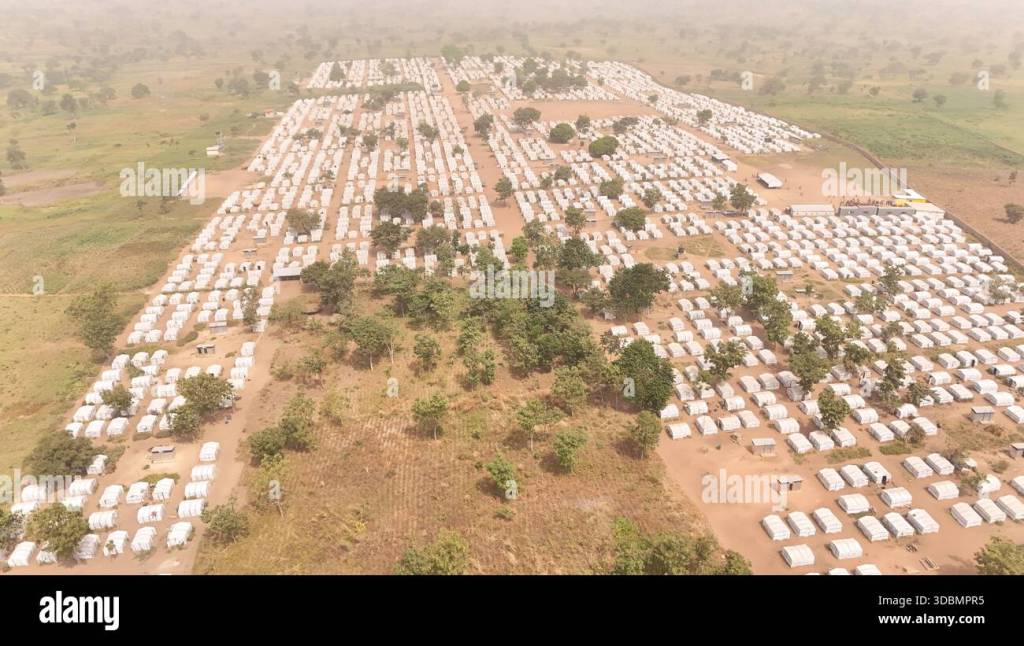
The situation in Nigeria’s IDP camps is an indictment of the state. Data from the International Organization for Migration’s Displacement Tracking Matrix and the National Bureau of Statistics shows that Nigeria’s displacement crisis “has outgrown the boundaries of a humanitarian emergency”. Behind these statistics are “shattered lives, broken communities and uncertain futures”.
Entire families have spent years in overcrowded camps plagued by inadequate healthcare, poor sanitation, limited educational opportunities, and little prospect of economic independence. The longer these camps exist, the greater the danger of permanent loss. As one analysis notes, “Emergency assistance saves lives, but it does not rebuild them”. The continued existence of IDP camps is a “painful reminder that the Nigerian state is failing to secure its territorial sovereignty and protect its people from external insurrectionists and domestic criminal groups as constitutionally mandated”.
The real solution requires “the complete defeat of criminal groups, rebuilding destroyed communities, restoring schools and hospitals, compensating victims, helping farmers return to their land, creating sustainable employment and ensuring justice for those who have lost everything”. Without these measures, displacement will persist regardless of the volume of relief materials distributed.
Conclusion
The situation in Nigeria is a slow-motion genocide of the agrarian middle-class. The state has failed its citizens by refusing to secure their land and homes, effectively sanctioning their displacement. While the “clash” narrative provides cover for this land grab, the impunity enjoyed by figures like Senator Shehu Buba, protected by a convenient coalition of ethnic and religious elites, ensures the violence continues.
As the Northern States Christian Elders Forum declared: “Nigeria is bigger than any individual, political party, office holder, or institution. Nigerians, therefore, deserve to know the truth”. The IDP camps are not temporary shelters; they are prisons of the dispossessed. As the government continues to drag its feet, it is not merely failing its citizens; it is actively complicit in the theft of their future.
The silence of the Presidency is deafening. How many more Nigerians must be driven from their homes before the government treats this as the existential threat to the nation that it is? The time for euphemisms is over. It is time to call this what it is: a war of conquest. Without justice, there will be no deterrence against future occurrences. All displaced communities must be fully restored to their ancestral patrimonies.


Leave a comment