By The Searchlight Investigative Desk / September 5, 2026
For months, a dark cloud has hung over the Senate Committee on National Security and Intelligence, and at its centre stands Senator Shehu Buba Umar, the man tasked with overseeing the very security apparatus he now stands accused of undermining.
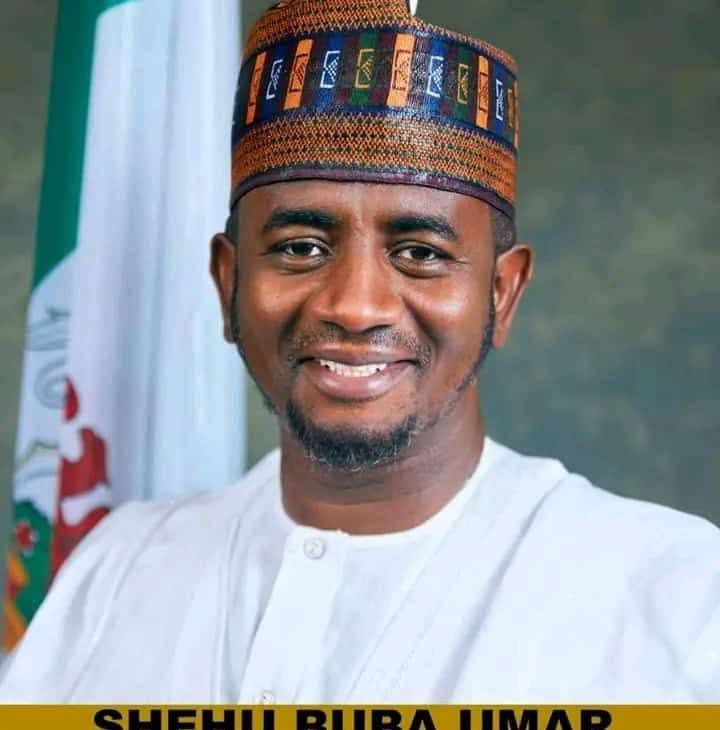
The allegations are nothing short of breathtaking: sponsorship of banditry, training of snipers in Abuja, distribution of motorcycles and ransom money to notorious bandit kingpins, and the facilitation of Hajj pilgrimages for wanted criminals. Yet, as of September 2026, the Tinubu government, the Department of State Services (DSS), and the Nigeria Police Force have not publicly invited the senator for questioning. The question demands an answer: Why?
The Allegations: A Catalogue of Criminality
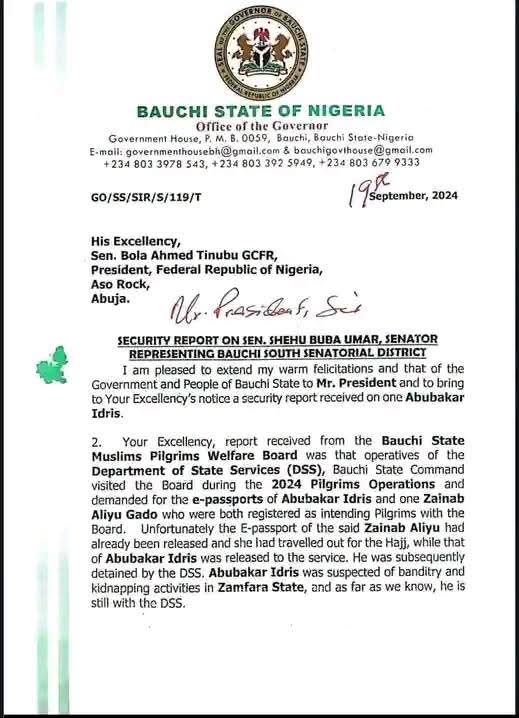
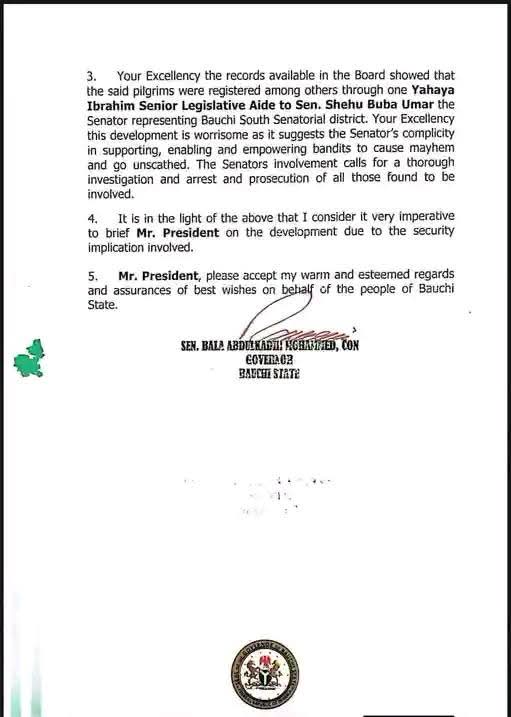
The cascade of accusations against Senator Shehu Buba Umar began taking formal shape in September 2024, when Bauchi State Governor Bala Mohammed petitioned President Bola Ahmed Tinubu directly. The governor’s letter, dated September 19, 2024, detailed a security report from the Bauchi State Muslims Pilgrims Welfare Board concerning one Abubakar Idris, a suspected bandit allegedly involved in kidnapping activities in Zamfara State.
According to the petition, DSS operatives had visited the Pilgrims Welfare Board and demanded the e-passports of Idris and one Zainab Aliyu Gado. Records showed both pilgrims were registered through one Yahaya Ibrahim, described as a Senior Legislative Aide to Senator Buba. Governor Mohammed expressed concern that this suggested the senator’s “complicity in supporting, enabling and empowering bandits to cause mayhem and go unscathed”. But the governor’s letter was only the beginning.
The Fulani Videos and the Hassan Allegations
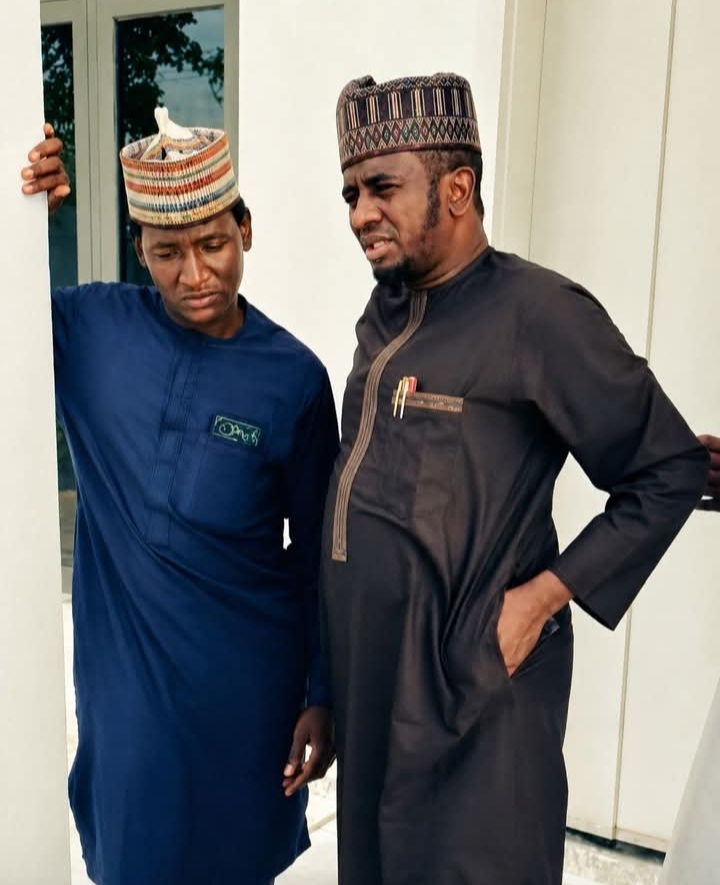
The controversy exploded into public consciousness when a Fulani man identified as Hassan surfaced with video footage allegedly showing Senator Buba’s residence hosting “high profile bandit kingpins”. In interviews with social media influencer D English Alhaji Media, Hassan made a series of explosive claims:
That individuals linked to notorious bandit kingpin Dogo Gide, including Baba Babangida (described as Gide’s younger brother) and an individual named Adamu, allegedly then an aide to Senator Buba, were brought to Abuja for specialized training in drone operations and professional sniping. According to Hassan, these individuals received training from Nigerian security personnel.
The Arewa Youth Movement (AYM) presented further allegations: a video clip allegedly showing motorcycles and cash being handed from the senator’s residence to bandits in Zamfara State. The group further accused him of moving injured bandits for treatment, maintaining close ties with known gang leaders, and inciting violence in Plateau and Bauchi States.
The Sniper Training Allegations
Perhaps the most disturbing claim emerged in September 2026: that Senator Buba had brought suspected terrorists, identified as Babangida, Adam, and Lema to Abuja, where they received training from Nigerian security personnel. Hassan alleged that the security personnel who allegedly conducted the training is currently in Mecca for pilgrimage.
The implications are staggering: if true, this represents not merely passive complicity but active facilitation, a serving senator using his position and connections to arm and train the very criminals ravaging northern Nigeria.
The Senator’s Defence
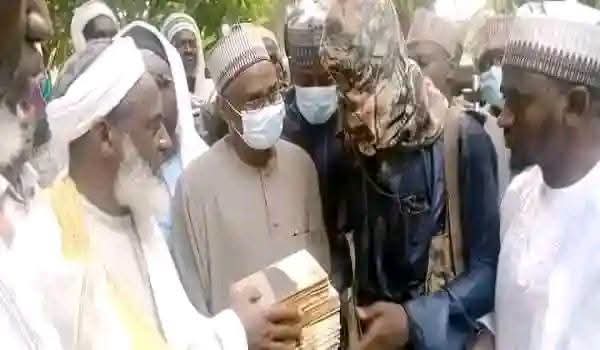
Senator Buba has consistently denied all allegations. In his response to Governor Bala Mohammed’s petition, he made three key clarifications: he does not employ any Senior Legislative Aide named Yahaya Ibrahim; his Hajj sponsorships are based on recommendations from elders, community leaders, and religious figures; and he does not personally screen beneficiaries.
Regarding Hassan, the senator offered a personal narrative: Hassan was an orphan he had once supported with schooling and a bicycle. Buba claimed Hassan later abandoned his education and used his access to the senator’s residence to secretly record visitors, allegedly providing the materials to political opponents. That is a confirmation that the location of the recordings was his residence.
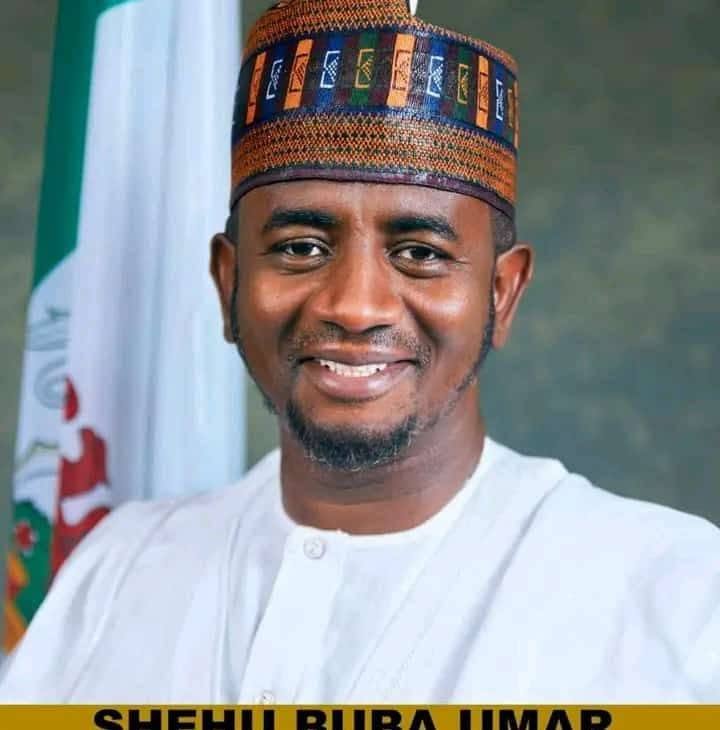
Senator Buba has petitioned the Inspector-General of Police, leading to the arrest of four suspects in Kano, Bauchi, and Abuja, with court proceedings already ongoing. According to Buba, Hassan has fled to Niger Republic, where he continues his online broadcasts, allegedly funded (according to him) by political opponents.
The Institutions of Silence: The DSS and Security Agencies
Despite the gravity of the allegations, the DSS and other security agencies have remained conspicuously silent. Former Minister of Youth and Sports Solomon Dalung has publicly urged the DSS to disclose the outcome of any investigation.
Dalung’s position is measured but firm: “No one has said Senator Buba is guilty. He has denied the allegations, and no court has convicted him. If the allegations are false, the appropriate thing is to clear his name. But if there is credible evidence behind them, then this is not merely a disagreement between politicians. It becomes a matter concerning the integrity of Nigeria’s security architecture”.
The former minister raised critical questions that remain unanswered: What was the alleged relationship between Senator Buba and Idris? How was Idris registered for the Hajj? Was the DSS investigation concluded? Was Senator Buba cleared?
One week after the latest allegations emerged, there is no publicly confirmed indication that the Tinubu government, DSS, or Nigeria Police Force has invited the senator for questioning.
The Supreme Council for Shari’ah in Nigeria (SCSN)
Perhaps the most controversial element of this saga is the role of the Supreme Council for Shari’ah in Nigeria (SCSN). The SCSN has not only defended Senator Buba but has actively rejected the DSS’s attempt to investigate him. The Council described the allegations as “baseless” and “a dangerous attempt to distract those responsible from attending to the security challenges facing our nation”.
In a statement, the SCSN cited Senator Buba’s “well-documented record of contributing to national security and countering banditry” and his work with security agencies to “develop counter-insurgency strategies”.
The Hausa Native Advancement and Development Initiative (HANADI) has responded sharply, warning that “the attempt by the SCSN to defend Senator Shehu Buba on religious grounds raises concerns about undue influence in matters that pertain strictly to national security”. HANADI further noted that the SCSN is “largely composed of Fulani scholars” and is “aligning itself in defense of a Fulani figure, raising suspicions that their stance may be ethnically motivated”.
The Political Context: 2027 and the Battle for Bauchi
No analysis of this scandal would be complete without acknowledging the political dynamics at play. Senator Buba has defected from the All Progressives Congress (APC) to the Peoples Redemption Party (PRP) and is now the PRP’s gubernatorial candidate for Bauchi State.
His accusers, including Governor Bala Mohammed, are his political opponents. The timing of the allegations, escalating as the 2027 elections approach, has led some observers to question whether the campaign is more political than evidentiary.
Yushau A. Shuaib, writing in the Daily Nigerian, noted that “in professional verification chats with mainstream media organizations and senior editors who had received similar allegations and multimedia… all examined the materials and declined to publish them because they found no substantiation”.
Shuaib also revealed that several suspects, including a lawyer and three influencers, were arrested on charges of criminal conspiracy, cyber-stalking, defamation, advance fee fraud, and extortion, suggesting “the campaign may have been more commercial than political at that time”.
The Jigsaw Falling into Place?
The picture that emerges is complex and deeply troubling. On one hand, the allegations against Senator Buba are numerous, detailed, and supported by video evidence, witness testimony, and a formal petition from a state governor. On the other hand, no security agency has publicly confirmed any wrongdoing, the senator has offered consistent denials, and some of the allegations appear to originate from individuals with questionable credibility and possible ulterior motives.
What is indisputable is the institutional failure. The DSS, tasked with investigating such matters, has offered no transparency. The Tinubu government has offered no public position. The Supreme Council for Shari’ah has actively intervened to protect a politician from investigation. And the public is left to wonder: where does political protection end and national security begin? As Dalung put it, the issue “raises important questions about national security and the integrity of the country’s security system”.
The jigsaw on terrorism and banditry enablers may indeed be falling into place, but the picture it reveals is not merely of one senator’s alleged crimes. It is of a system where powerful figures can apparently operate above the law, where religious institutions can shield politicians from scrutiny, and where the institutions meant to protect Nigerians from terror remain silent in the face of the most serious allegations.
Nigerians deserve answers. They deserve transparency. And they deserve to know that no one, not even a senator who chairs the committee on national security, is above the law.


Leave a comment