By Matthews Otalike, The Searchlight Correspondent / August 28, 2026
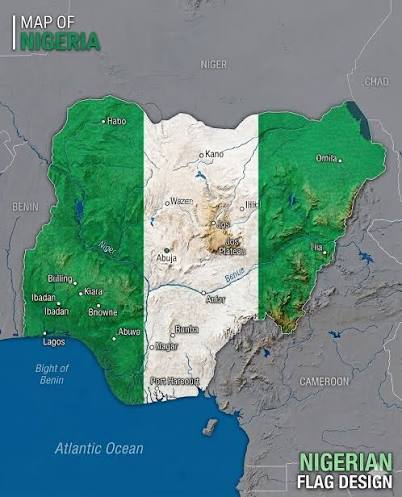
Nigeria stands at a perilous crossroads. What was once a nation of immense promise has become a theatre of unrelenting violence, institutional failure, and deepening divisions. The crises of intractable insecurity, credible allegations of elite complicity, the government’s inability or unwillingness to restrain terrorism sympathizers, the harsh economic fallout from poorly sequenced reforms, and the ruling APC’s insistence on another Muslim-Muslim presidential ticket for 2027 are not isolated problems. They form an interlocking web that threatens the country’s cohesion and future.
A critical examination of these issues reveals a pattern of state weakness, selective enforcement, and political calculation that prioritizes power over national survival. The way out for Nigeria and Nigerians demands more than rhetoric, it requires decisive accountability, inclusive governance, and structural overhaul.
Insecurity: A Crisis That Has Become Intractable
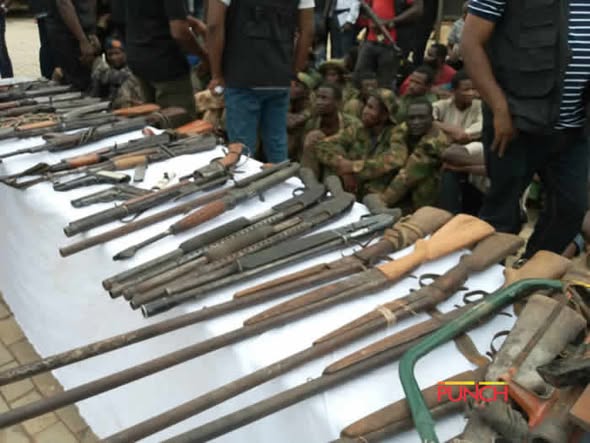
Insecurity in Nigeria has metastasized beyond the capacity of successive administrations to contain. Boko Haram and Islamic State West Africa Province (ISWAP) continue to operate in the Northeast, while bandit groups dominate the Northwest and North-Central regions, with spillover into other parts of the country. All available data paint a grim picture. Nigeria recorded the largest global increase in terrorism deaths in 2025, with fatalities rising 46% from 513 in 2024 to 750, ranking fourth on the Global Terrorism Index.
Rural banditry and related violence claimed 3,974 lives in 2025, more than double the 1,452 in 2024, affecting 16 states, according to Nigeria Watch. Overall conflict-related deaths approached or exceeded 12,000 in 2025 in some estimates, surpassing peaks from the height of the Boko Haram insurgency. In the first half of 2025 alone, bandits and insurgents killed at least 2,266 people, exceeding the full-year total for 2024. Kidnappings have surged, with mass abductions of schoolchildren and communities becoming routine. The Armed Conflict Location and Event Data (ACLED) data shows incidents in the Northwest rising sharply.
Newer threats, including groups like Lakurawa and potential JNIM incursions along border zones are compounding the problem. Governance vacuums, under-resourced police (far below UN-recommended ratios), and overstretched military has left vast rural areas undefended. Experts attribute persistence to these structural failures rather than mere lack of will or funding; the Tinubu administration has raised defence budgets, yet results remain elusive. The crisis is no longer regional; it is national, displacing hundreds of thousands and crippling agriculture, education, and commerce.
Allegations of Complicity: When the Guardians Become Suspects
Compounding the insecurity are persistent allegations of collusion involving serving security personnel and politicians. Governors and analysts have publicly pointed to informants within the armed forces, political class, and communities. Borno State Governor Babagana Zulum has accused collaborators in the military and politics of aiding Boko Haram, arguing that the insurgency could end in months if “contractocracy” and internal sabotage were dismantled.
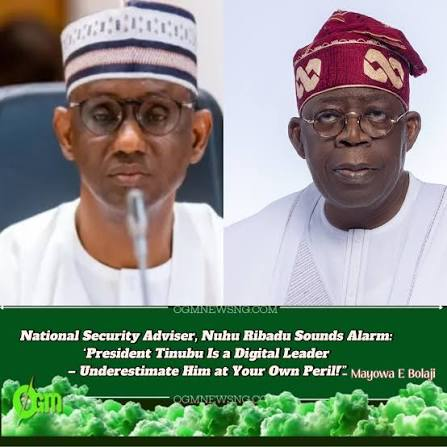
Documented cases include soldiers arrested for supplying uniforms or arms to criminals, court-martials for ammunition racketeering, and reports of moles leaking operational plans. National Security Adviser Nuhu Ribadu has acknowledged corrupt sales of firearms by officers. In one widely discussed instance, a viral video in August 2026 purported to show high-profile bandit kingpins inside a Nigerian senator’s residence, with Nigerian passports allegedly obtained for them; the senator’s identity was not disclosed, and the claim has not been independently verified by security agencies. Separate allegations involving ransom handling, such as claims around a N5 billion payment linked to abductions in Borno, which Senator Ali Ndume has vigorously denied and demanded probes into, further erode public trust.
These are not fringe conspiracy theories. They reflect a pattern where insecurity generates rents, through ransoms, protection rackets, mining control, or inflated security contracts, creating incentives for some elites to sustain rather than resolve the crisis. Without transparent investigations, prosecutions, and systemic reforms (including rigorous vetting and independent oversight), the state’s monopoly on force remains compromised.
Failure to Rein In Terrorism Sympathizers
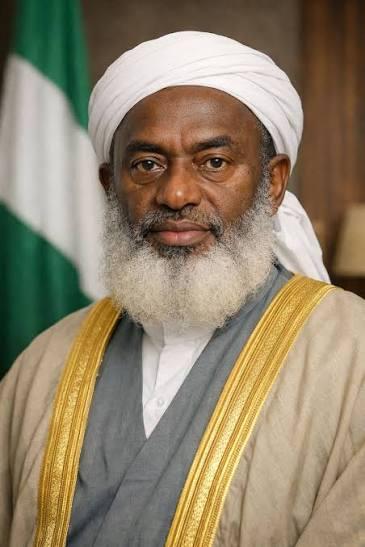
The government’s response to figures perceived as terrorism or banditry sympathizers has been notably weak. Sheikh Ahmad Gumi has long advocated dialogue and amnesty with bandits, visiting camps (sometimes claiming security accompaniment) and describing armed groups in terms that critics view as sympathetic. Defence Minister Christopher Musa had warned that “a friend of a thief is a thief,” yet Gumi continues his activities with limited legal consequence. Calls for his prosecution under the Terrorism (Prevention and Prohibition) Act have intensified, particularly after statements defending certain groups or claiming the government knows every terrorist’s identity and location. Gumi denies supporting terrorism and frames his work as peace mediation approved by authorities.
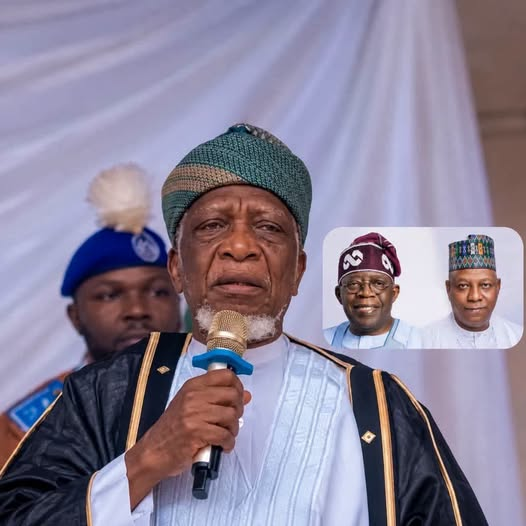
Similarly, Sheikh Sani Yahaya Jingir, National Chairman of the JIBWIS Council of Ulama, has drawn criticism for inflammatory rhetoric. His recent endorsements of a continued Muslim-Muslim ticket, coupled with remarks referring to non-Muslims in exclusionary terms and urging voters to “show the infidels their limit,” have prompted demands for arrest over hate speech. Christian groups and rights organizations have highlighted the selective enforcement: swift action against other critics contrasts with inaction here. Jingir has also opposed state police in ways that raise concerns about communal targeting.
This tolerance, or paralysis, sends a dangerous signal. In a multi-religious, multi-ethnic federation, allowing polarizing voices to operate unchecked while ordinary citizens face violence undermines the rule of law and fuels radicalization on all sides.
Fuel Subsidy Removal: Revenue Without a Roadmap

The removal of the petrol subsidy in 2023 was believed to be fiscally necessary as the old regime consumed resources equivalent to major social budgets and fostered scarcity and corruption. Savings mobilized from the subsidy removal was approximately ₦15.8 trillion for the federation between June 2023 and December 2025. Oil revenues and FAAC allocations also increased.
Yet the human and economic costs have been severe and poorly mitigated. Pump prices soared from around ₦185 – 200 to ₦1,100 – 1,400 per litre. Inflation spiked (headline reaching over 30% at peaks; food inflation even higher), thereby eroding purchasing power, especially for the poor, informal workers, and rural households. Government incremental spending of over ₦30 trillion far exceeded the federal share of savings, with large portions absorbed by wage adjustments and external debt service driven by naira depreciation. As a result, social protection has been inadequate relative to the shock.
Critics rightly note the absence of robust prior analysis and sequencing: insufficient targeted palliatives, delayed investment in domestic refining, and limited transparency on revenue use. While fiscal space improved and some macroeconomic indicators stabilized later, household welfare recovery remains unfinished business. Reforms without credible social cushions and productive reinvestment risk turning necessary pain into prolonged hardship, breeding resentment that extremists and opportunists exploit.
The Muslim-Muslim Ticket Persistence: Deepening Divisions
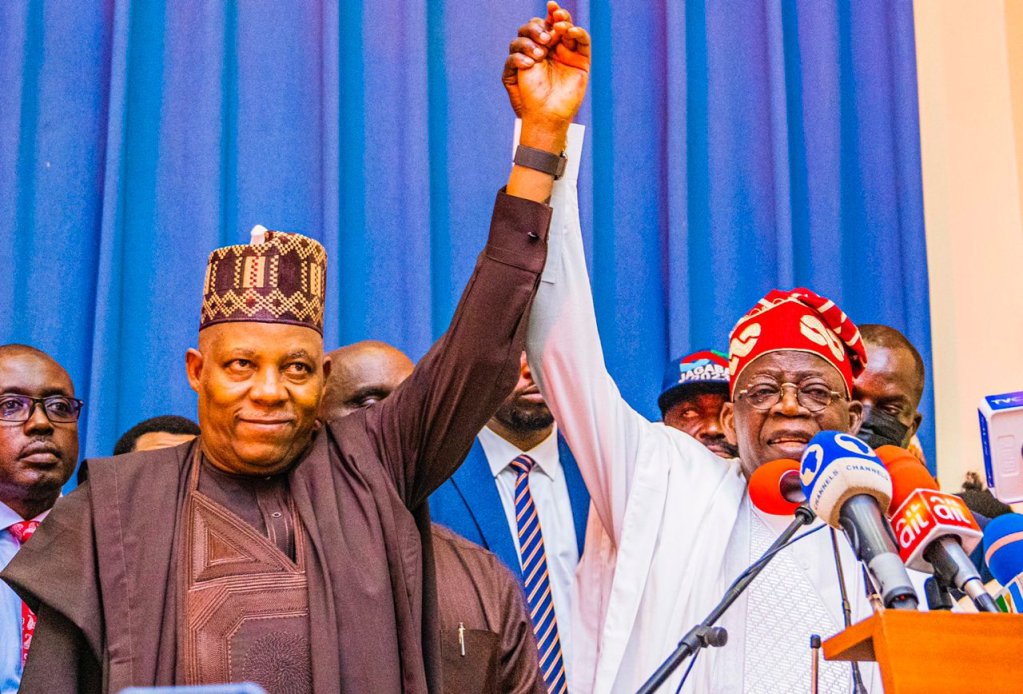
The APC’s confirmation of President Bola Tinubu and Vice President Kashim Shettima as the 2027 ticket repeats the same-faith arrangement that sparked controversy in 2023. Party leaders defend it on grounds of competence, northern demographics, and continuity, arguing that governance has not been religiously biased. Supporters, including some clerics like Jingir, frame it as electoral pragmatism.
Opponents, including figures like Rabiu Kwankwaso and Kenneth Okonkwo, argue that it violates the spirit of federal character, constitutional provisions on national integration, and Nigeria’s delicate religious balance in a roughly evenly divided population. In a country already fractured by insecurity often framed along ethnic and religious lines, doubling down on this ticket risks alienating large segments of the Christian population and Middle Belt communities, exacerbating identity politics at a moment when unity is essential. Electoral calculation should not override the need for visible inclusivity at the highest levels.
The Way Forward
Nigeria’s path out requires confronting these interconnected failures head-on:
- Security: Prioritize intelligence-led operations, root out internal collaborators through independent probes and prosecutions, professionalize forces (merit-based recruitment, better welfare and oversight), expand community policing carefully, and address root drivers, such as poverty, ungoverned spaces, arms proliferation, and climate-related farmer-herder tensions, without appeasement that emboldens criminals.
- Accountability: Investigate all credible allegations of elite complicity transparently. Apply the law evenly to sympathizers and enablers, regardless of status or faith.
- Economy: Ensure subsidy savings fund productive investment, targeted social protection, and domestic energy capacity. Publish clear, auditable accounts of revenue use.
- Politics: Embrace genuine power-sharing and federal character that reflects Nigeria’s diversity. Competence matters, but so does the signal of inclusion in a plural society.
These are not partisan demands; they are prerequisites for state legitimacy. Without them, insecurity will deepen, the economy will remain fragile, and political polarization will accelerate fragmentation. Nigerians across divides share the desire for security, opportunity, and fairness. The leadership that delivers these, through courage rather than calculation, will chart the genuine way out. The alternative is continued decline.


Leave a comment