The Searchlight Opinion / August 25, 2026
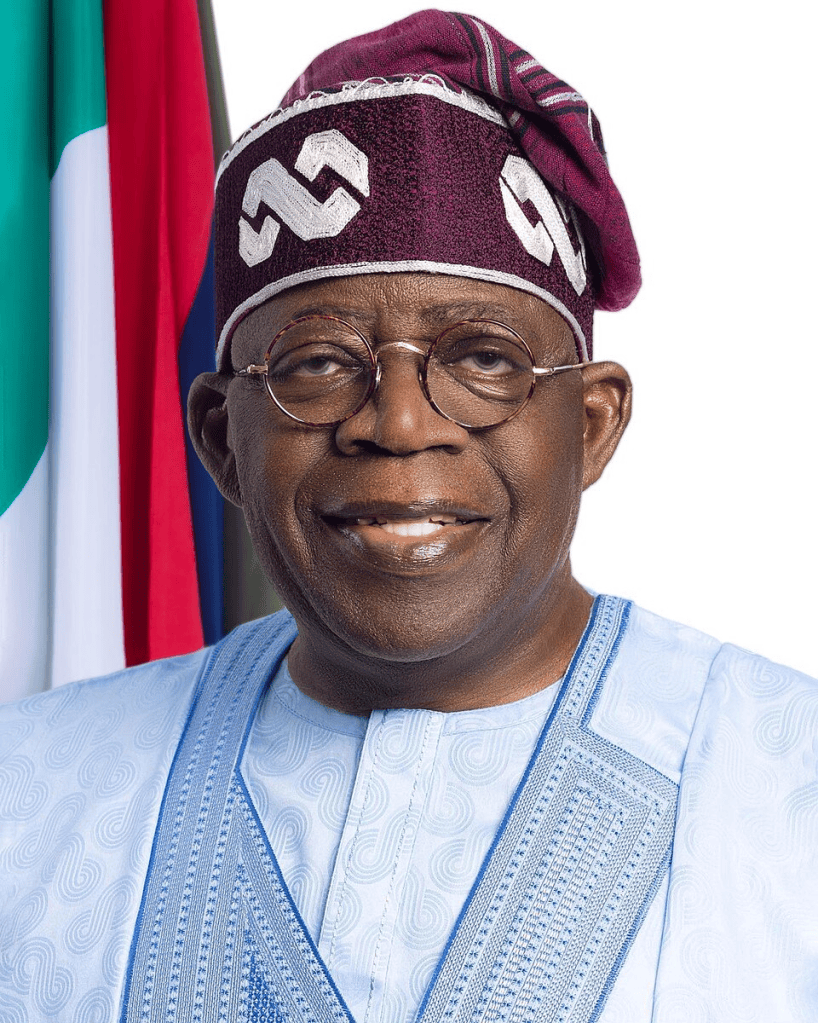
In December 2022, as Bola Ahmed Tinubu campaigned for the presidency, he made a memorable pledge at a business luncheon in Lagos. The most widely circulated version captures him saying, in essence: “By all means necessary, you must have electricity and you will not pay for estimated billing anymore. A promise made is a promise kept. If I don’t keep the promise and I come back for a second term, don’t vote for me, unless I give you adequate reasons why I couldn’t deliver.”
Presidential spokesman Bayo Onanuga has since argued that the statement has been misrepresented, insisting that Tinubu never issued an unconditional vow to forgo a second term and that context included inherited challenges and metering reforms. Critics, including Peter Obi and the African Democratic Congress (ADC), treat the core pledge as a clear electoral promise now due for reckoning.
Three-plus years into Tinubu’s presidency, the electricity situation remains dire for most Nigerians. Average available generation has frequently hovered in the 4,000–5,500 MW range for a population exceeding 200 million, far below needs. Grid collapses continue (multiple in 2024 and 2025), tariffs have risen sharply (notably for Band A customers), and subsidies remain massive, over N3 trillion in recent years. Millions still lack reliable access or any grid connection; per-capita consumption lags badly behind African averages. Government targeted (e.g., 6,000 MW by the end of 2026, which should be 80% access in five years) and reforms under the Electricity Act 2023 (state-level markets, debt settlements, metering progress) exist, yet daily lived experience for households and businesses has not transformed into the “constant” supply once promised. Opposition figures now openly invoke the 2022 words against him ahead of 2027. President Tinubu is not likely to, as promised, “unless I give you adequate reasons why I couldn’t deliver.”
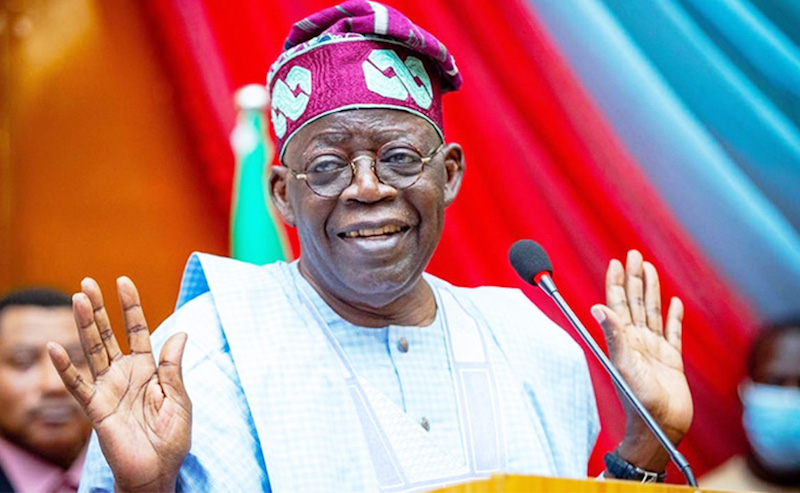
This sits uneasily beside another viral moment from the same campaign period. In a December 2022 meeting with party members in London (post-Chatham House), Tinubu declared that political power “is not going to be served in a restaurant… not served à la carte.” He added that it requires determination “at all cost; fight for it, grab it, snatch it, and run with it.” Fact-checkers (including CDD) confirmed the longer context referred to seizing political power, not literal ballot-box snatching. Yet the phrasing, especially “snatch it”, evoked Nigeria’s long history of electoral thuggery and ballot box-snatching. Critics linked it to irregularities and violence observed in parts of the 2023 elections, but as usual, supporters dismissed the connection as distortion.
Fast-forward to mid-2026: President Tinubu told Catholic bishops that “all is fair in politics,” framing competition as a wrestle to the finish, and insisted that INEC remains neutral while equal opportunity prevails. The remark drew sharp push-back from opposition voices who saw it as licence for hardball tactics. Meanwhile, the APC has constituted a 2027 Presidential Campaign Council with Tinubu as chairman, and high-profile appointments. The machinery is assembling to seek the very votes Tinubu once invited Nigerians to withhold if electricity failed.
These episodes form a coherent political pattern rather than isolated gaffes. Campaign rhetoric maximizes aspiration (“by all means necessary”) while building in escape hatches such as “adequate reasons,” and inherited problems. Power is framed as something to be seized aggressively rather than earned solely through performance. “All is fair” normalizes the rough edges of contestation. Accountability is deferred to the next ballot, yet the same political apparatus that won under contested conditions is now mobilized to retain office.
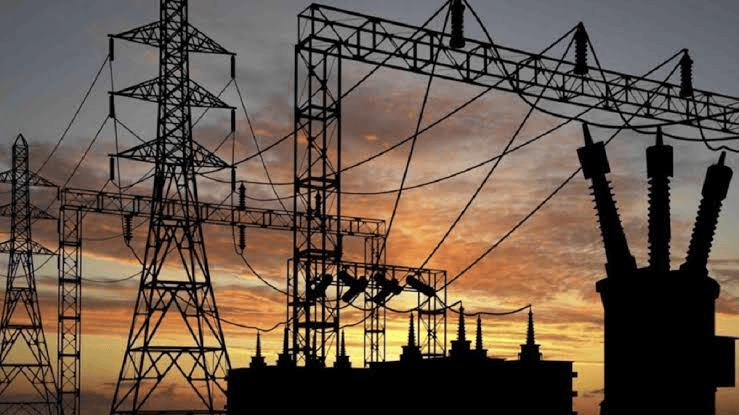
Nigeria’s electricity crisis is structural and multi-decade: gas constraints, transmission weaknesses, distribution losses, under-investment, and governance failures predate 2023. No single administration can flip the switch overnight. Signing the Electricity Act, pursuing debt resolution, metering, and state-level markets are real steps. Still, the gap between the 2022 pledge’s spirit and current outcomes is large enough that opposition parties can credibly weaponize the president’s own words. Public trust erodes when high-stakes promises collide with persistent darkness and higher bills.
The deeper question for democratic culture is whether “all is fair” includes treating campaign pledges as disposable once power is secured, or whether voters are expected to hold leaders to the standard they themselves set. Tinubu’s defenders argue context, progress under constraints, and the necessity of political toughness in a competitive system. Critics see a pattern of maximizing electoral advantage while minimizing performance accountability, precisely the dynamic that has trapped Nigeria in cycles of under-delivery.
As 2027 approaches, the electricity metric Tinubu himself elevated will be measured against lived reality, not press releases. The “grab it, snatch it” philosophy will be tested against demands for cleaner contests. And “all is fair” will face the ultimate tribunal: whether enough Nigerians still believe the ends justify the means, or whether they prefer to take the president at his earlier word.


Leave a comment