By Matthews Otalike, The Searchlight Correspondent / August 25, 2026
In the theatre of Nigerian politics, few words have been more thoroughly emptied of meaning than “politics” itself. For members and allies of the ruling All Progressives Congress (APC), the term has become a convenient shorthand for calculated deception, the deliberate sabotage of sound policy, and the reflexive dismissal of any scrutiny as mere “opposition noise.” Recent admissions and remarks from prominent figures, Kayode Fayemi, Kenneth Okonkwo, and President Bola Tinubu, expose a cynical creed: truth is optional, the national interest is subordinate to power, and “all is fair.” This mindset is not an aberration. It is a core operating principle that helps explain why governance in Nigeria remains so dysfunctional, and why genuine criticism is so often waved away as partisan theatre.
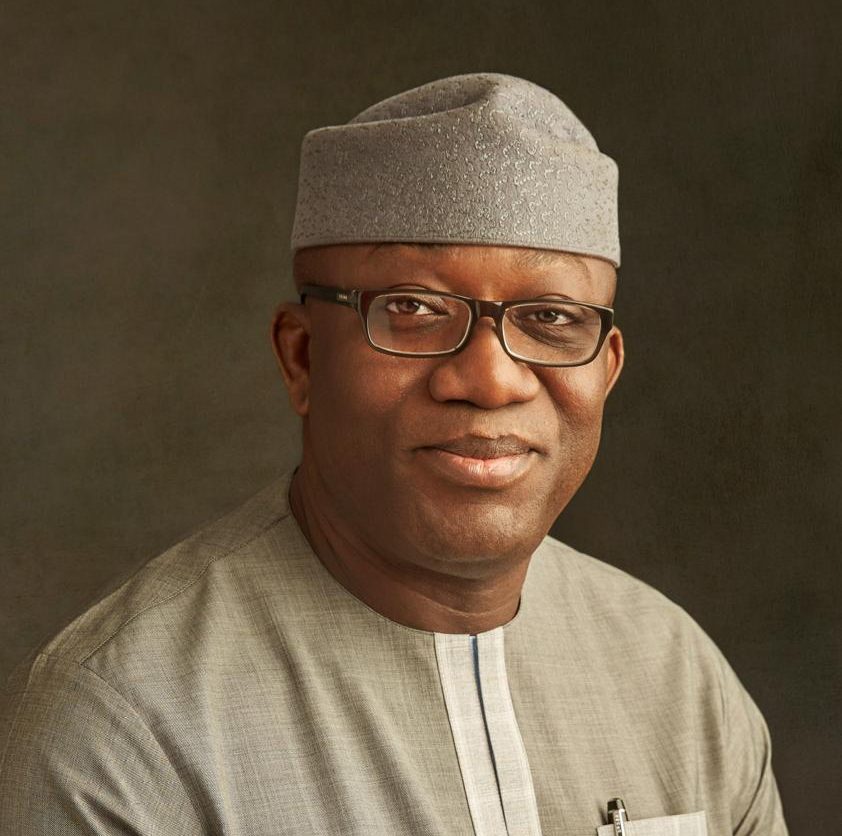
Consider first the confession of Dr. Kayode Fayemi, former Ekiti State governor, one-time APC minister, and a senior figure in the progressive coalition that toppled Goodluck Jonathan in 2015. At a national dialogue marking the 60th birthday of Professor Udenta Udenta, Fayemi admitted that the fierce opposition to Jonathan’s 2012 fuel subsidy removal, protests that convulsed the country under the banner of Occupy Nigeria, was driven by politics, not principle. “We all said subsidy must be removed,” he noted, pointing out that parties had even included it in their manifestos. Yet “we in ACN at the time in 2012… we knew the truth… But it is all politics.”
The ACN (Action Congress of Nigeria), a key precursor to the APC and then led by Bola Tinubu, opposed a policy its own governors had supported in the Nigeria Governors’ Forum. Fayemi later clarified aspects of the context, but the core admission stands: they knew the economic case for ending the corruption-ridden subsidy, yet mounted public resistance to weaken Jonathan. The result was policy reversal, continued fiscal haemorrhage under subsequent administrations, and trillions of naira later wasted that could have gone to infrastructure and social investment. What ordinary Nigerians experienced as principled resistance was, by Fayemi’s own later account, partisan maneuvering.
This is not ancient history. It is a template. When the same actors later removed the subsidy under Tinubu, the earlier obstruction was quietly forgotten or reframed. The lesson absorbed by the political class was clear: policy can be a weapon, and the truth about its merits is secondary to who holds power.
Then there is Kenneth Okonkwo, the Nollywood actor-turned-politician whose recent appearances on Channels Television have drawn attention for their candour about the fungibility of political attacks. Okonkwo, once a vocal spokesperson and defender of Peter Obi’s 2023 presidential bid, later turned sharply critical of Obi and, earlier, of Atiku Abubakar. In recent interviews explaining his shift toward Atiku’s camp, he has highlighted how past harsh assessments, including descriptions of Atiku as unfit or a threat, are now treated as water under the bridge. Atiku, he noted, looked past the criticisms and saw “value.” The implication, consistent with the broader political culture, is that such broadsides were instruments of the contest, not enduring judgments of character or competence. In Nigerian elite discourse, “it was politics” often serves as both explanation and absolution.
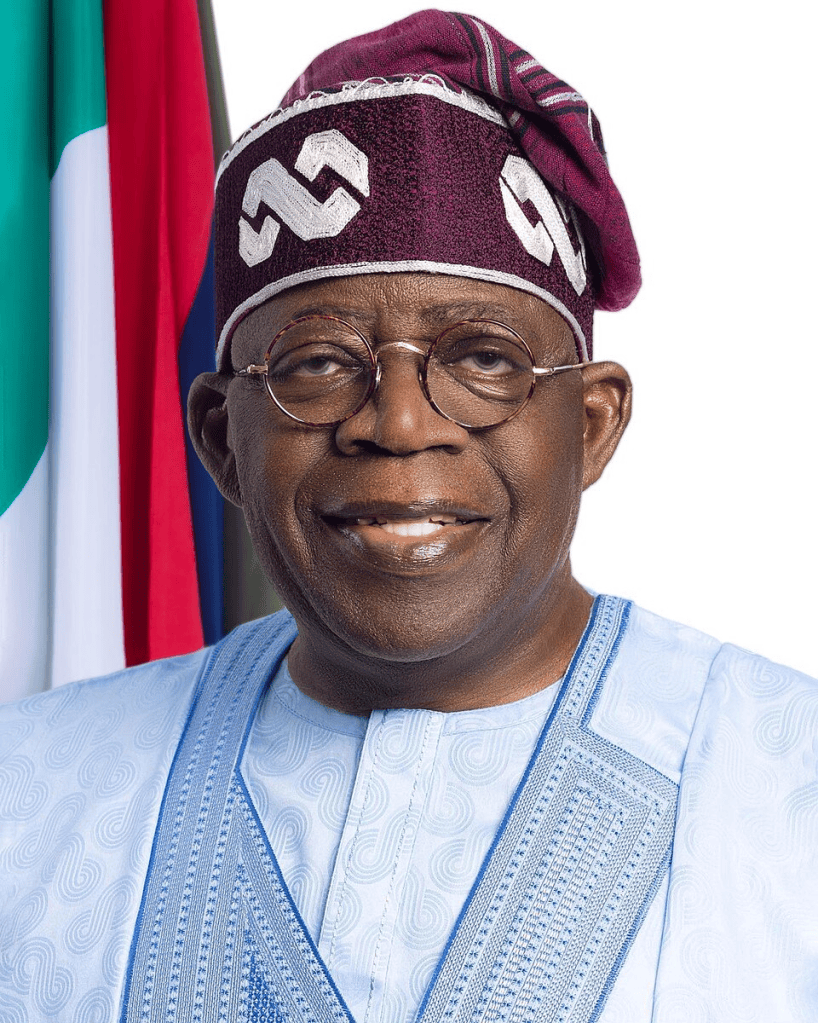
Most revealing of all is President Tinubu’s own formulation. Receiving the Catholic Bishops’ Conference of Nigeria at the Presidential Villa, he declared: “Those who would take it from me will try. They will try. All is fair in politics, and there is equal opportunity… I won’t offer them a red carpet… No, we will wrestle each other to the finishing point.” The bishops had raised concerns about the economy, insecurity, democratic norms, and the risk of a one-party dominant system. Tinubu’s response framed the contest for power as essentially unbounded. Cardinal John Onaiyekan later questioned the premise directly: if “all is fair” means anything goes provided one wins, then propriety and democratic restraint become optional.
This is not mere rhetorical flourish. It is a governing philosophy. When the highest office-holder asserts that all is fair in the struggle for power, it licenses a culture in which facts are malleable, policies are judged by their partisan utility rather than their public benefit, and criticism, however evidence-based, is pre-emptively branded “opposition politics.” The pattern is familiar: inflate or invent scandals against opponents while in opposition; once in power, dismiss identical concerns as the sour grapes of losers. Fuel subsidy, security funding, infrastructure claims, and institutional integrity have all been subjected to this revolving door of sincerity.
Is this the reason so much is going wrong in governance? It is a major contributing factor. A political elite that treats truth as a disposable campaign tool cannot build the trust, institutional continuity, or policy coherence required for development. When governors knowingly oppose economically rational measures for partisan gain, the fiscal and human costs are borne by citizens for years. When every legitimate critique of inflation, insecurity, electoral integrity, or elite capture is met with the retort that it is “just politics,” accountability evaporates. The ruling party’s reflexive conversion of scrutiny into “opposition politics” is not defensive; it is constitutive of a system that prioritises retention of power over the hard work of delivery.
Nigeria’s crises, persistent insecurity, punishing cost of living, eroded public trust, and institutional decay, are not solely the product of one party’s culture. But the APC’s leading voices have supplied unusually clear documentation of the problem. Fayemi’s admission about 2012, Okonkwo’s treatment of past denunciations as situational, and Tinubu’s “all is fair” maxim form a coherent worldview: politics is not the competition of ideas or the stewardship of the commonwealth; it is a no-holds-barred contest in which the only enduring principle is victory.
The Searchlight has long held that power must be confronted with unvarnished truth. The political class’s own words now provide that truth. Until “politics” is restored to mean something higher than licensed mendacity, until evidence, consistency, and the national interest again constrain the pursuit of office, Nigeria will continue to pay the price in stalled progress and frayed social trust. The elites who treat deception as strategy and criticism as noise should not be surprised when citizens eventually treat their promises the same way: as just politics.


Leave a comment