By The Searchlight Editorial Team / August 23, 2026
For over three decades, the question has lingered like a stubborn stain on Nigeria’s political fabric: What exactly is in the files the Federal Bureau of Investigation and the Drug Enforcement Administration hold on President Bola Ahmed Tinubu? The $460,000 forfeited to the US government in 1993, the money a Chicago court found to be proceeds of heroin trafficking, has never been adequately explained. Now, as the 2027 Nigerian presidential election looms, the battle over these records has reached a fever pitch in a Washington D.C. federal court. And the forces aligned against transparency are formidable.
The FBI’s Curious Case of Convenient Amnesia
On August 20, 2026, the FBI filed an application before the US District Court for the District of Columbia seeking permission to submit a confidential, under-seal declaration explaining why it is withholding records linked to Tinubu. The agency invoked FOIA Exemptions 6, 7(C), 7(D), 7(E), and 7(F), provisions designed to protect personal privacy, confidential sources, law-enforcement techniques, and information that could endanger individuals.
But here is the rub: Judge Beryl Howell had already ruled in April 2025 that the FBI and DEA’s previous “Glomar” responses, refusing to confirm or deny even the existence of records, were “neither logical nor plausible”. The judge found that the agencies had “not demonstrated a sufficient privacy interest to justify refusing to acknowledge whether Tinubu had been the subject of a criminal investigation”. Now the FBI wants the very same judge to accept, in secret, what it could not defend in public.
The agency’s argument that releasing these records “could reasonably be expected to endanger the life or physical safety of any individual” is breathtaking in its irony. These are records from the early 1990s—over thirty years old. Witnesses are long gone, statutes of limitations have expired, and Tinubu himself is a sitting president with a security detail that would make a pharaoh envious. What “individuals” require protection from the release of ancient investigative files? The FBI is either being disingenuous or protecting something far more sensitive than any living witness.
The Legal Shell Game: Civil vs. Criminal
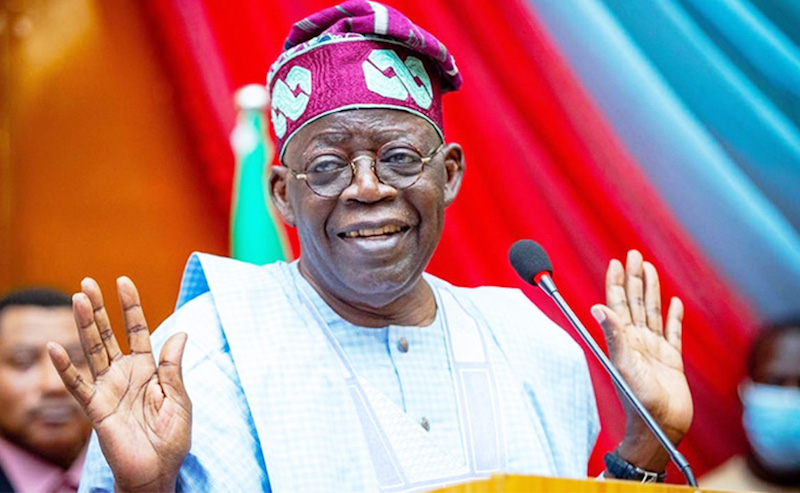
Tinubu’s legal team has consistently advanced a convenient narrative: the forfeiture was a “civil in rem proceeding,” not a “criminal in personam prosecution”. He was “never charged, tried, or convicted,” they insist. Therefore, they argue, there is nothing to see—move along.
But this is precisely the kind of legal sophistry that insults the intelligence of the Nigerian people. A civil forfeiture does not mean innocence. It means the government proved, by a preponderance of evidence, that the $460,000 in Account No. 263226700 was proceeds of narcotics trafficking or connected to money laundering. The Department of Justice alleged that a Nigeria-based heroin network moved white heroin from Nigeria to Chicago, with proceeds deposited into US accounts linked to Tinubu. Tinubu surrendered the money rather than contest the forfeiture. That is not exoneration—that is capitulation.
As the Atiku Media Office rightly queried: “If the case against their principal is truly time-barred, why are they so panicky about any attempt to revisit it? Why is President Tinubu blocking every move to unravel what is in his FBI/DOJ US files?”
Tinubu’s Desperate Bid for Secrecy
The Nigerian President has not remained passive in this fight. Through his legal team, he formally intervened in the FOIA lawsuit, citing privacy concerns. When the Department of Justice sought a 10-day extension to respond to the court order, Tinubu joined the request. Judge Howell granted only four additional days and declined Tinubu’s request for further delay.
The Presidency has attempted to dismiss the entire affair, claiming there is “nothing new to reveal”. Yet if there is truly nothing new, why the legal obstruction? Why the frantic efforts to keep these records from public view? The contradiction is glaring. A man with nothing to hide does not hire lawyers to hide his files.
What Tinubu Fears Most
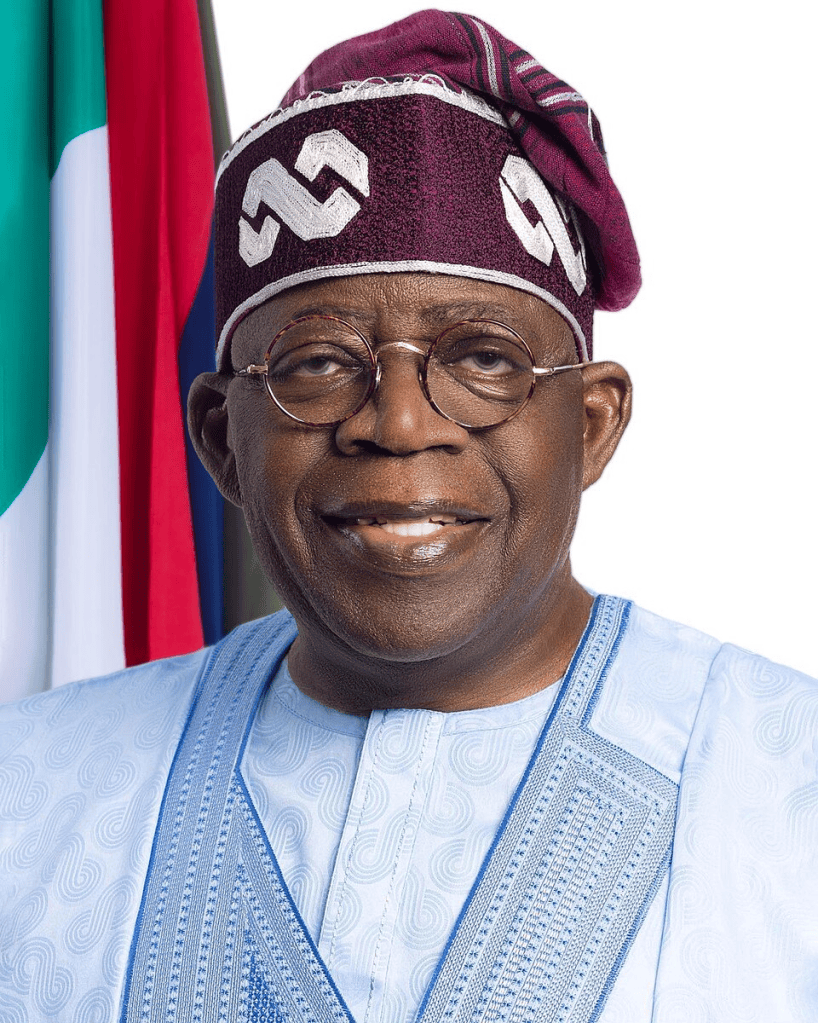
The answer is painfully obvious: Tinubu fears what these records contain. Not necessarily evidence of criminal conviction, he was never convicted, and that fact is already public. No, what he fears is the details. The names of associates. The extent of the alleged network. The specific financial transactions. The testimony of witnesses. The full scope of what US authorities knew about his activities in Chicago in the early 1990s.
These details would not just embarrass him, they would fundamentally undermine his legitimacy on the continental and global stage. How can Nigeria’s President, the self-styled “leader” of Africa’s largest democracy, credibly speak on issues of governance, rule of law, and anti-corruption when his own past is shrouded in the murky haze of a heroin-forfeiture case?
The Atiku Media Office put it bluntly: “Having an alleged ex-trafficker in that office inflicts serious reputational damage on Nigeria’s image and on every Nigerian on the global stage”. This is not political hyperbole; it is a statement of plain fact.
The Public Interest Cannot Be Overcome
Aaron Greenspan, the American transparency advocate who filed the FOIA requests, has done what Nigerian institutions have failed to do: pursue the truth. His lawsuit has pried open doors that the FBI, DEA, and Tinubu’s lawyers have desperately tried to seal shut.
Judge Howell’s ruling that the agencies must process and release non-exempt documents was a victory for transparency. The court is currently deciding whether the records should be released under FOIA, “not whether Tinubu committed a crime”. But that distinction is cold comfort to a man whose entire political career has been shadowed by this unresolved chapter of his life.
Conclusion: The People Deserve the Truth
The FBI’s plea for secrecy is a smokescreen. Tinubu’s legal maneuvers are a confession. The DOJ’s stonewalling is a disgrace. Thirty-three years is long enough for the truth to remain buried.
The Searchlight calls on the US District Court to reject the FBI’s request for secret proceedings and order the full, unredacted release of all records pertaining to the investigation of Bola Ahmed Tinubu. The Nigerian people, indeed, the world, deserve to know the full measure of the man who occupies Africa’s most powerful political office.
History will judge not only Tinubu for his past, but all those who aided in concealing it. The files must be released. The truth must come out. And the Nigerian people must finally know what their president has spent three decades trying to hide.
The Searchlight is a publication committed to investigative journalism and the pursuit of truth, regardless of whose interests are served or disturbed.


Leave a comment