The Searchlight Editorial Team / August 22, 2026
The Searchlight is looking ahead into the possible return of IDPs to their ancestral lands in Benue and other states and is critically looking at conditions for the people’s safety.
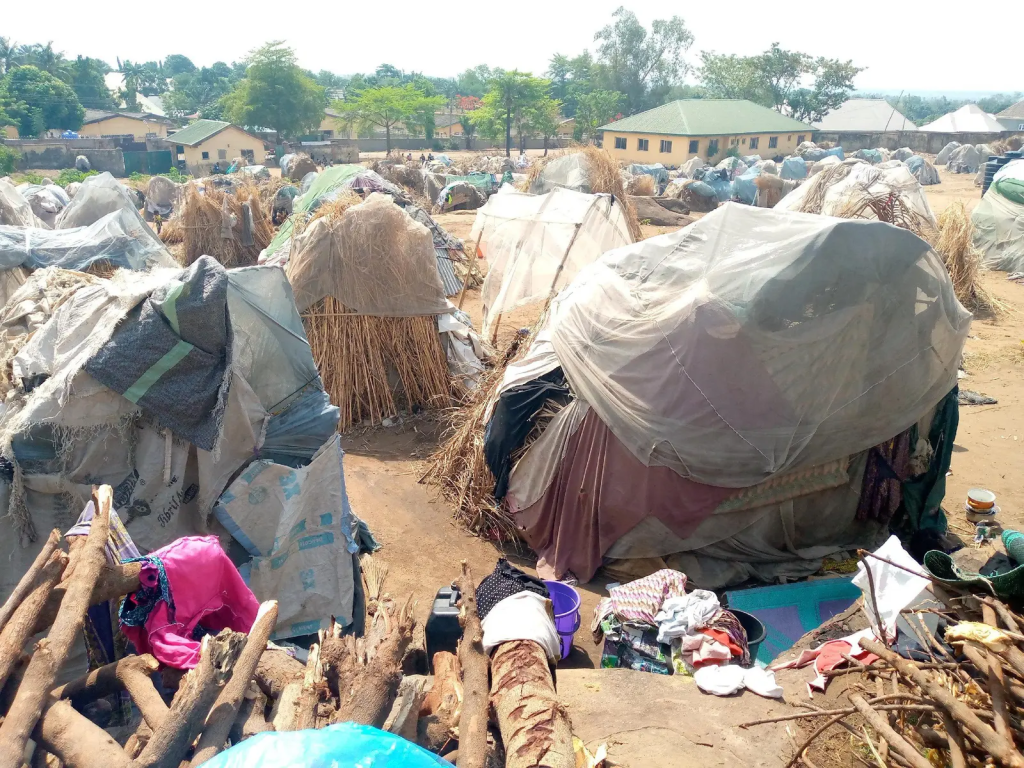
Core conditions for safe, voluntary, and sustainable return of IDPs (drawn from Benue policy statements, National Policy principles, IOM intention surveys, and official pronouncements):
– Voluntariness and informed choice: Returns must be free of coercion. IDPs make the decision; forced returns are prohibited and can lead to legal challenges. Heads of household are typically the primary decision-makers. IOM surveys in Benue (2025) show ~96% of respondents intend to return to places of origin when conditions allow.
– Safety and security: There must be effective protection from renewed attacks, presence of security forces, clearance of armed groups/occupiers from ancestral lands, and confidence that returnees will not face immediate violence. This remains the biggest practical barrier in Benue state communities including Guma, Gwer West, Logo, Agatu, etc..
– Housing, land and property (HLP) restoration: Reconstruction or repair of destroyed homes; formal or customary restitution of farmland and property; resolution of secondary occupation. Surveys indicate ~89% of Benue IDPs report no available/accessible housing in intended return areas. Land tenure clarity is essential.
– Livelihoods and economic viability: Access to farmland, seeds, tools, credit, markets, and income opportunities so that returnees can rebuild without immediate dependence on aid. Benue state has supported farmers’ cooperatives, subsidized inputs, and demonstration farms.
– Basic services and infrastructure: Functioning water, healthcare, schools, and roads in return areas.
– Documentation and legal identity: Access to identity papers, land documents, and civil registration.
– Psychosocial support and community acceptance: Trauma counselling, family reunification, and measures to reduce tension with host or residual populations.
– Participation: Meaningful consultation with IDPs, traditional leaders, and communities in planning returns.
– Non-discrimination and monitoring: Returns monitored to ensure sustainability; option to reverse if conditions deteriorate.
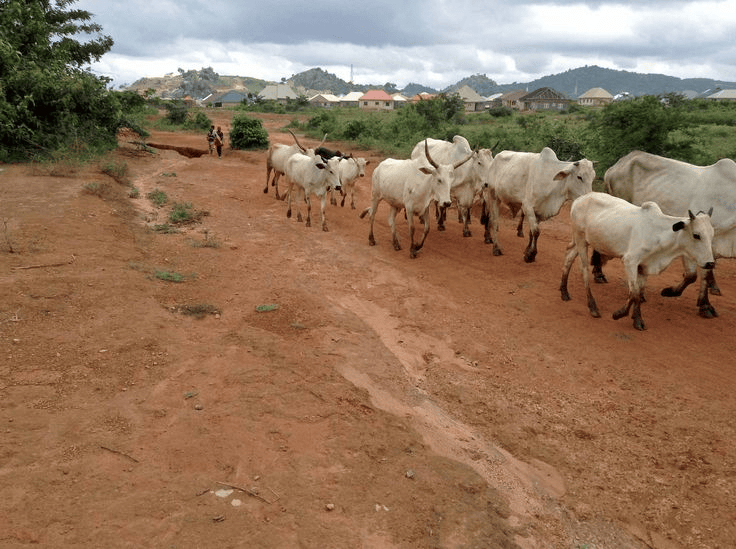
Benue officials have stated that returns follow “tight” or “seven” processes aligned with these standards and that the state policy provides the missing legal instrument. Partial returns have occurred according to reports of over 200,000 persons in some accounts, declining camp populations, voluntary farming resumption in safer areas, and plans to close some camps. However, large-scale returns remain constrained by ongoing insecurity and occupied lands. Leaders of socio-cultural groups continue to insist that full, secure return of the estimated over 500,000 remaining IDPs must precede any major land allocation for ranching.
Comparative Models from Other Countries
Ranching / Livestock Transition Models
Successful or instructive cases show that ranching works best where land tenure is secure, capital and technical support exist, security is adequate, and transitions are gradual and voluntary rather than abrupt bans without alternatives.
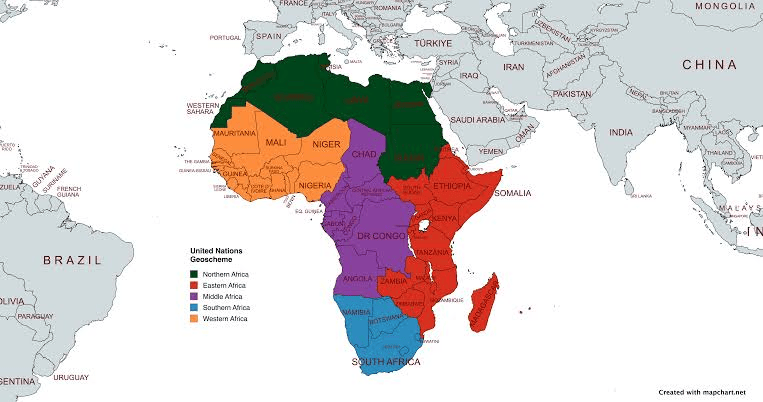
– Botswana (Tribal Grazing Land Policy, 1975 onward): Attempted to convert communal rangeland into commercial leased ranches for larger producers to raise productivity and reduce overgrazing. There were mixed results; some commercial ranches formed, but many dual-used, both ranch and remaining communal land, increasing pressure on smallholders. Profitability was limited for many and land speculation emerged. The lesson there was that exclusive ranching without strong support for smallholders and clear enforcement can worsen inequality and fail to deliver expected gains.
– Namibia and parts of South Africa: Private and communal conservancies combined livestock with wildlife tourism. Secure tenure (freehold or communal rights) and market incentives enabled diversification. Commercial ranching expanded after livestock subsidies declined; multi-species systems often proved more resilient. Lesson: Secure property rights + diversified income streams (meat, tourism, carbon) improve viability.
– Kenya (Group Ranches and Community Conservancies): Group ranches with communal title for pastoral groups, aimed to formalize tenure and encourage settlement but many faced internal conflicts, elite capture, and subdivision. Northern Rangelands Trust-style conservancies later integrated planned grazing, wildlife, and carbon markets with stronger community governance. The lesson it produced was that pure ranch conversion often underperforms traditional mobile systems on a per-hectare productivity basis in drylands; so hybrid models with community management and additional revenue work better. Transition of remaining group ranches to community land titles continues.
– Ethiopia (Borana and pastoral zones): Efforts there focused on animal health, breeding, marketing, and water rather than wholesale ranch conversion. Pastoral systems frequently showed higher protein/energy output per hectare than commercial ranches in comparable environments. The lesson was that improvement in existing mobile or semi-sedentary systems can outperform forced ranching in low-rainfall zones; genetic improvement and market access matter more than fencing alone.
– Broader African pattern (Mali, Uganda, South Africa examples in livestock policy reviews): Success correlates with dedicated institutions, animal-health systems, feed development, private-sector investment, and policies that treat pastoralists as economic actors rather than problems to be settled.
The key takeaway for Nigeria/Benue: Abrupt open-grazing bans without capital, technical support, secure land access, and security rarely succeed at scale. Hybrid approaches (improved grazing reserves, private commercial ranches for those who can afford them, support for smaller herds, and market incentives) have better track records.
International standards (Pinheiro Principles on Housing and Property Restitution, IASC Durable Solutions Framework) prioritize voluntary, safe, dignified return with HLP rights restored.
In Colombia, large-scale land restitution for victims of conflict and paramilitary violence involved specialized restitution institutions, judicial processes, and titles for returnees or those who choose local integration. Emphasis was on participatory adjudication of customary and informal rights. Thousands of titles were issued as well as housing support for vulnerable families. Yet, challenges remain with security and secondary occupants, but the institutional architecture is a reference point.

In Bosnia and Kosovo (post-1990s conflicts), property claims commissions and restitution mechanisms enabled many returns. Courts and administrative bodies resolved competing claims; international monitoring supported implementation. Success depended on security and political will.
The general best-practice sequence (from Pinheiro Principles, World Bank/IFC guidance, UN frameworks):
1. Establish specialized, accessible claims/restitution procedures.
2. Ensure voluntary, informed decisions.
3. Prioritize return to original homes/land where feasible and safe.
4. Provide compensation or alternative housing/land only when restitution is impossible.
5. Resolve secondary occupation fairly.
6. Support livelihoods and services so returns are sustainable.
7. Monitor and allow for secondary movement if conditions fail.
These models stress that returns without security, HLP resolution, and livelihoods tend to fail or reverse. Premature returns or land re-allocations while displacement is unresolved often deepen grievances.
Relevance to Benue state’s Current Debate
Benue stakeholders’ demand secure return and land restitution of IDPs before any large-scale ranch allocation, and it aligns with both Nigerian policy frameworks and international standards. Comparative experience shows that sequencing (security + restitution first, then voluntary economic modernization) reduces the risk that ranching policies are perceived as rewarding prior displacement. Hybrid, consent-based, and well-financed approaches have higher chances of success than top-down settlement schemes imposed on contested or emptied land.
What to do in the circumstance lies with the Federal and Benue state governments which should prioritize citizen’s welfare above politics.


Leave a comment