By The Searchlight Editorial Team / August 13, 2026
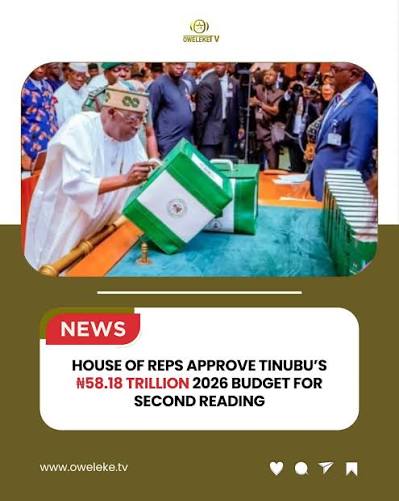
The 2026 Appropriation Act, presented as a roadmap for national development, has been exposed as a labyrinth of fraud, a deliberately crafted instrument designed not for governance, but for political patronage and systematic looting. The government’s insistence on fiscal prudence collapses under the weight of revelations that have laid bare one of the most audacious budget manipulations in Nigeria’s history. At the heart of this scandal lies a sophisticated scheme: hiding billions in public funds under the headings of obscure agencies, routing money to projects far outside their mandates, and effectively turning the national treasury into a political slush fund.
The Anatomy of Fraud: Projects Masquerading Under False Headings
The Tracka report, an independent analysis by the BudgIT Foundation’s civic technology platform, has torn the veil off the 2026 budget’s carefully constructed facade. The analysis reveals a clear pattern of deception:
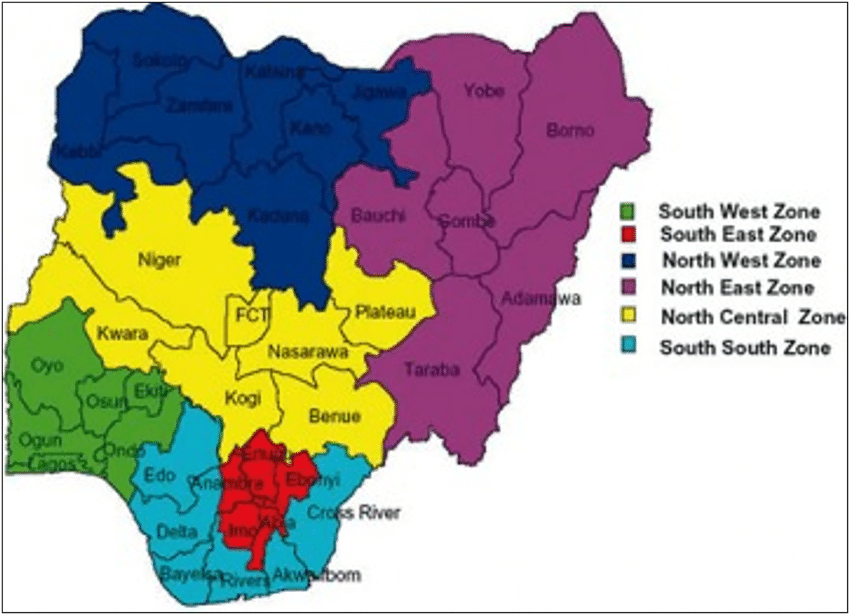
The Federal Cooperative College, Oji River, Enugu State, an institution with the statutory mandate to promote cooperative education, was allocated an astonishing N1.08 trillion to execute 2,791 capital projects across all 36 states and the FCT. Among the projects assigned to this agricultural college are roads, drainage systems, dialysis centres, ambulances, markets, football pitches, solar streetlights, water schemes, and recycling plants. No law transformed this college into a national infrastructure ministry. No oversight validated this institutional overreach. Yet, the money was allocated.
The National Commission for Almajiri and Out-of-School Children Education was assigned N8.4 billion for road infrastructure projects in Ogun, Ekiti, and Katsina states, projects with no connection to its educational mandate. When questioned, the commission blamed the National Assembly for the illegal insertions.
The National Institute for Cancer Research and Treatment (NICRAT) was earmarked N200 million to renovate district heads’ palaces in Sokoto State . Funds meant for cancer research diverted to royal residences.
The Federal Neuro-Psychiatric Hospital, Dawanau, Kano State, was listed to execute N42 million in palace projects. A psychiatric hospital building palaces.
The Presidential Foreign Investment Promotion Council (PFIPC), an agency the Presidency later disowned as fictitious, was allocated approximately N1.3 billion in the 2026 budget. The self-acclaimed Director-General was arrested and he is being prosecuted for forgery and fraud, yet the question remains: how does a non-existent agency secure a budget allocation?
45 Agencies, Zero Mandates: The Route of Diversion
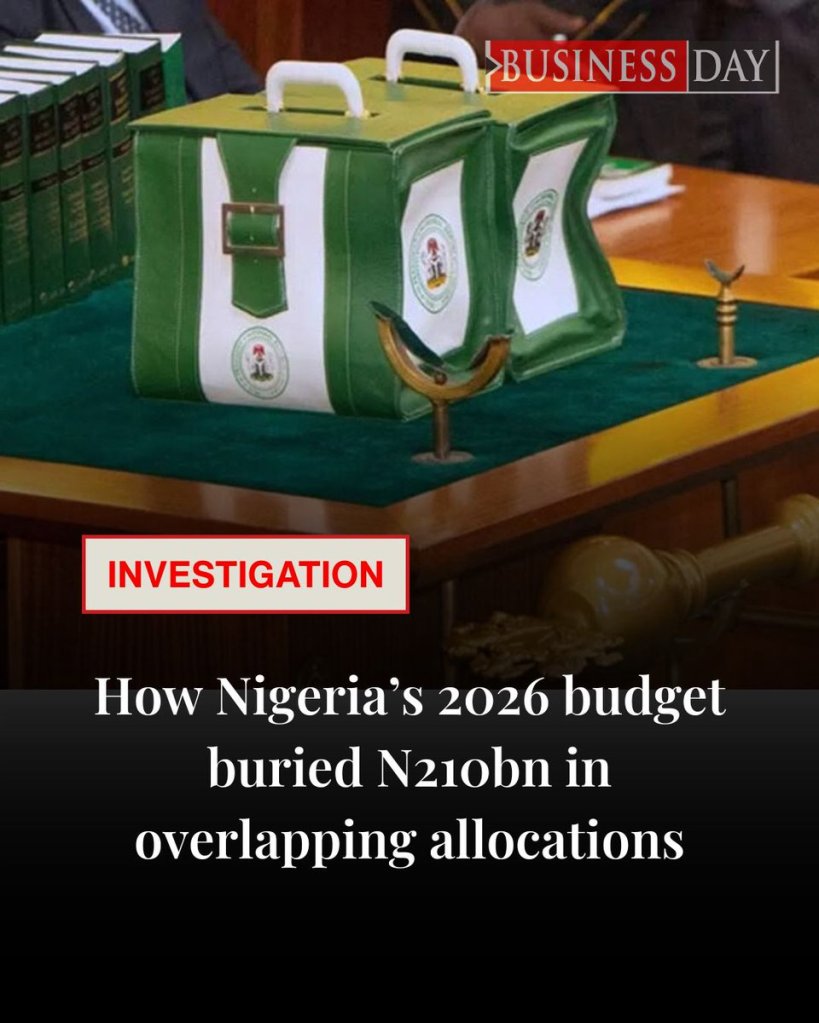
Tracka’s investigation identified 45 Ministries, Departments, and Agencies assigned to execute N30.15 billion worth of palace and religious projects, none of which possess the statutory mandate to construct royal structures. The money was routed through agricultural research institutes, health facilities, and science complexes whose core mandates bear no connection to palace construction. This is not an administrative oversight; it is a deliberate strategy to bypass procurement scrutiny and accountability mechanisms.
Among the agencies listed as palace contractors are:
– The Nigerian Building and Road Research Institute (NBRRI): N3.92 billion for palace projects across multiple states
– Federal Cooperative College, Ibadan: N2.661 billion for community halls and palaces in Lagos, Ekiti, and Ondo states.
– Sheda Science and Technology Complex (SHESTCO): N1.54 billion to modernize heritage palaces
– Agricultural Research Council of Nigeria: N750 million for palaces in Kogi State
Why Hide Under These Headings? The Motive Exposed
The government’s choice to bury these expenditures under unrelated agencies is not coincidental; it is a calculated mechanism for political finance. Former Deputy National Publicity Secretary of the APC, Timi Frank, described the budget padding as exposing a “failure of governance” under President Tinubu, warning that the recurring controversies “erode public confidence in the leadership and in the integrity of those serving within the administration”.
The mechanism is straightforward:
1. Bypassing Oversight: By routing palace and religious projects through agricultural colleges and health agencies, the government avoids the legislative scrutiny that would accompany direct allocations to relevant ministries.
2. Creating Untraceable Slush Funds: Of the N22.15 billion allocated for palace renovations, 11 projects valued at N5.85 billion have no identifiable locations, making independent monitoring and public oversight impossible. The money can be disbursed without verification.
3. Masking Political Campaign Funding: Ahead of the 2026 party primaries, the APC charged N100 million for presidential forms, N50 million for governorship, and N20 million for Senate positions. SERAP has sued INEC over allegations that APC governors diverted N800 billion from FAAC allocations into a dedicated campaign fund supporting President Tinubu’s re-election. The budget padding scheme provides a parallel channel for diverting public funds into political coffers, hidden under the guise of “community projects” and “empowerment programmes.”
Human rights lawyer Femi Falana, SAN, laid bare the complicity at the highest level, stating that budget padding continues because “the President allows it” and has failed to veto illegal insertions, despite having the constitutional authority to do so.
The Cost to Nigerians: Sacrifice Without Accountability
While billions are funneled into padded projects and political slush funds, Nigerians are asked to endure the removal of fuel subsidy, higher taxes, and unprecedented borrowing. The government claims there is “no money” for healthcare, education, and social welfare, yet N1.08 trillion can be allocated through a cooperative college.
Atiku Abubakar, former Vice President and ADC presidential candidate, captured the outrage succinctly: “This government operates a medieval financial system in which the national treasury is treated as the personal purse of the ruler, available to be spent, diverted or dispensed at will, with little regard for transparency, accountability or the public interest. In a constitutional democracy, however, the treasury belongs to the Nigerian people, not to the President or his cronies”. He further warned that the budget “looks less like governance and more like a blueprint to defraud Nigerians”.
Conclusion: A System in Need of Radical Overhaul
The 2026 budget padding scandal is not an aberration; it is the symptom of a governance system that has abandoned accountability for patronage. The National Assembly, which should serve as a check on the Executive, is complicit in the padding, while the Presidency enables the illegal insertions.
BudgIT’s Country Director, Vahyala Kwaga, noted that Nigeria lacks the institutional foundations for rigorous budget planning, while legislative oversight has failed to adequately interrogate budget proposals.
The Searchlight demands:
– A full forensic audit of all MDAs that received off-mandate allocations
– Public disclosure of the locations and beneficiaries of the N5.85 billion in unlocated palace projects
– Prosecution of all officials involved in inserting and approving the illegal projects
– Immediate reform of the budget preparation process to prevent recurrence
The Nigerian people have sacrificed enough. The treasury belongs to them, not to a political class that treats it as a personal ATM.


Leave a comment