By The Searchlight Editorial Team / August 10, 2026
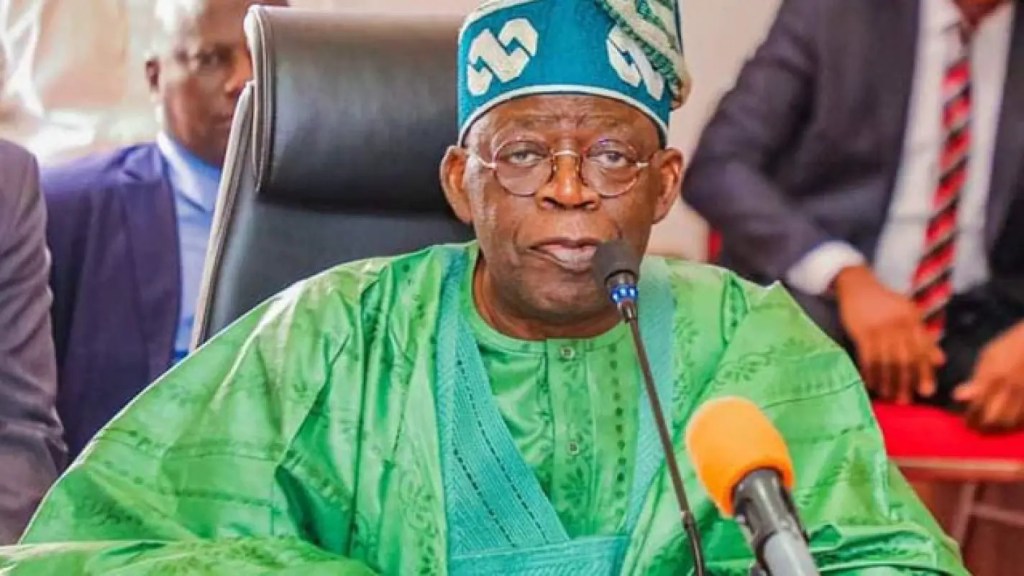
The Bola Tinubu administration has consistently projected an image of economic stewardship, insisting that its policies are steering Nigeria towards stability and growth. However, a critical examination of the 2024 budget’s performance for example, juxtaposed with the government’s own fiscal data and the stark realities of poverty, unemployment, and debt, paints a drastically different picture. The Searchlight in this article analyzes the performance indices of the 2024 budget, challenges the administration’s optimistic narrative, and interrogates the socioeconomic consequences of its fiscal priorities, particularly in light of controversial contracting practices.
The 2024 Budget: A Statistical Autopsy
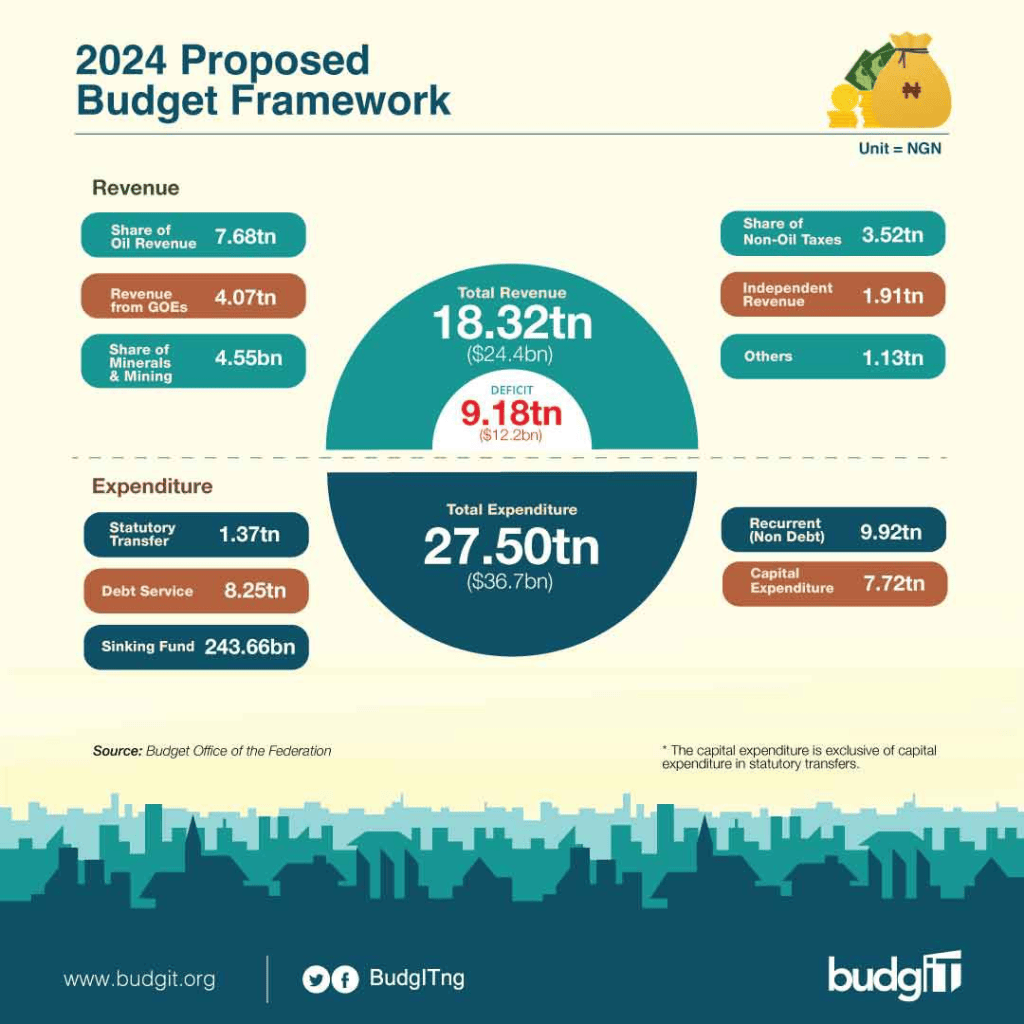
The federal government’s 2024 budget was ambitious on paper, with aggregate expenditures estimated at N27.5 trillion, a 10.8% increase from the previous year. However, by the end of the fiscal year, the financial reality diverged sharply from the plan. The Budget Office of the Federation’s report for the 2024 fiscal year reveals significant under-performance and a dramatic escalation in borrowing .
Performance Indices: Revenue and Deficit
- Revenue Under-performance: The federal government generated N20.98 trillion in revenue against a budget estimate of N25.88 trillion, falling short by N4.9 trillion (18.9%). This shortfall was largely attributed to weaker-than-expected oil earnings, with gross oil revenue of N15.07 trillion failing to meet its N19.99 trillion target due to lower crude oil prices and production levels.
- Deficit and Borrowing: The revenue shortfall, combined with expenditures that remained largely on track (N34.49 trillion), ballooned the fiscal deficit to N13.51 trillion, a staggering 47.3% above the projected budget deficit of N9.18 trillion. To plug this gap, the government borrowed N12.62 trillion, 61.2% above its approved target of N7.83 trillion.
- Debt Service: A significant portion of the budget was consumed by debt servicing. The government spent N12.36 trillion on debt service in 2024, surpassing the N8.27 trillion budget provision by 52.7% . This effectively means that debt servicing consumed a large portion of government revenue, leaving less for critical sectors.
The Chagoury Factor: Questionable Contracting and Fiscal Priorities
The government’s insistence on economic success is further undermined by its contracting practices, which have drawn intense scrutiny and accusations of cronyism. The controversy centers on the award of two of the nation’s most significant infrastructure projects, the N15 trillion Lagos-Calabar coastal highway and the $700 million renovation of the Apapa and Tin Can Island ports, to Hitech Construction Company Ltd., a firm owned by Lebanese-Nigerian billionaire Gilbert Chagoury
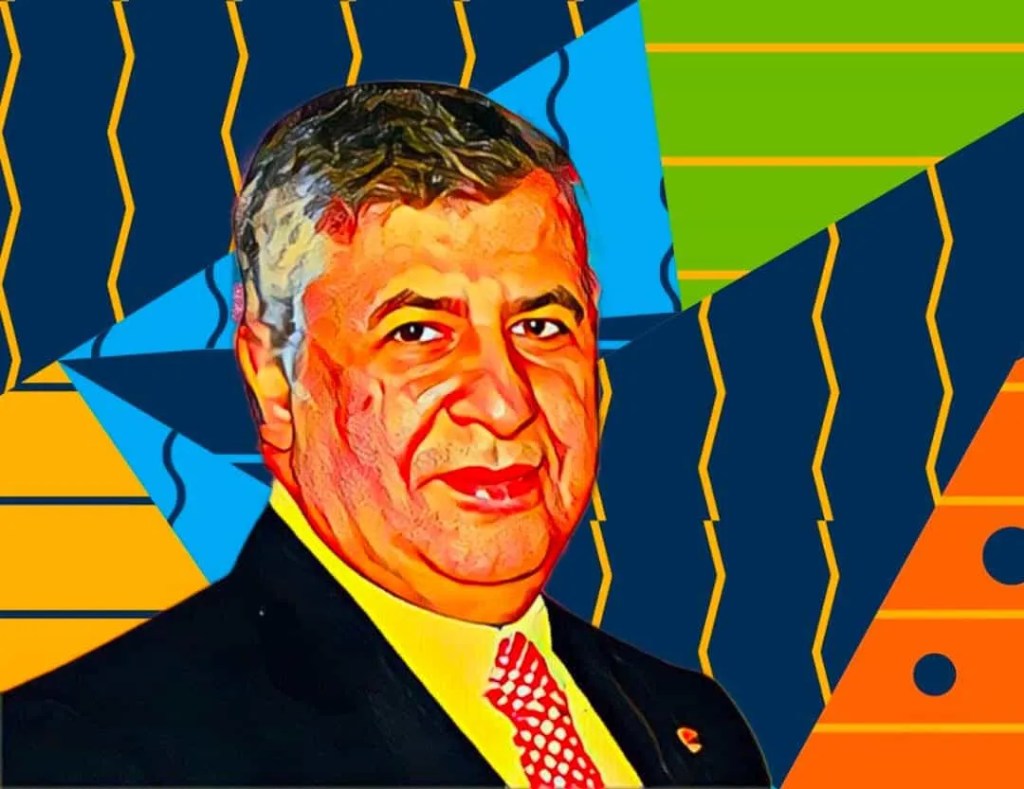
Gilbert Chagoury is a known “confidante” of President Tinubu, with a relationship dating back to the president’s tenure as Lagos State governor. The president’s son, Seyi Tinubu, serves on the board of a Chagoury-owned company, CDK Integrated Industries, raising serious conflict of interest concerns. These concerns have been amplified by reports of an opaque, “restrictive bidding” process for the coastal highway project. The Chagoury Group has a controversial history, including a 2000 money laundering conviction for aiding the Abacha family in illegally transferring over $120 million from the Central Bank of Nigeria
While the government has downplayed these ties, the optics of awarding two mega-projects to a close associate of the president, especially in a budget where many sectors are underfunded, reinforces the perception of a state captured by vested interests. Atiku Abubakar, the 2023 presidential candidate of the Peoples Democratic Party (PDP), described the coastal highway project’s terms as “shrouded in secrecy” and a clear conflict of interest.
Contrasting Reality: Poverty, Unemployment, and the Growing Debt Burden
The government’s economic performance claims stand in stark contrast to the lived reality of millions of Nigerians. The lived reality is a grim picture of socioeconomic conditions that contradict the narrative of a performing economy.
Poverty and Unemployment
- Poverty: According to the National Bureau of Statistics (NBS), Nigeria’s poverty rate stands at an alarming 63%, with over 133 million Nigerians living in multidimensional poverty. A report from a conference of experts and officials indicates that 40.1% of the population lives below the poverty line, with 29% (63 million) in extreme poverty.
- Unemployment: The NBS reports a national unemployment rate of 33.3%, with youth unemployment exceeding 50%. This staggering rate of joblessness leaves millions without a sustainable means of livelihood.
The Debt Burden
- Total Debt: Nigeria’s total public debt surged to a staggering N144.67 trillion by December 2024, pushing the debt-to-GDP ratio to 61.22% . This not only surpassed Nigeria’s self-imposed ceiling of 40% but also exceeded the 56% benchmark for comparable economies.
- External Debt Growth: The foreign debt experienced a massive increase from N33.25 trillion in June 2023 to N63.07 trillion in June 2024, partly driven by the devaluation of the naira. The country’s top external creditors include the World Bank ($16.56 billion), Eurobond holders ($17.32 billion), and the Exim Bank of China ($5.06 billion).
- Debt-to-Revenue Ratio: Debt servicing consumed a massive portion of the government’s revenue. At over 58% of total revenue in 2024, the government has little fiscal space to invest in critical areas like health, education, and infrastructure that could alleviate poverty and create jobs .
A Developing Crisis: Reforms Without Relief
The administration’s signature economic reforms, the removal of the petrol subsidy and the liberalization of the foreign exchange market, have been lauded by international financial institutions like the IMF and World Bank as “necessary corrections”. However, these policies have also sparked the most severe cost-of-living crisis in decades. While the IMF acknowledges these as steps towards stabilization, it also concedes that they have yet to translate into tangible benefits for the average citizen, as poverty and food insecurity remain high. The World Bank has projected that an estimated 216 million people could slide into poverty by 2027 due to these reforms and the attendant economic hardship.
Conclusion
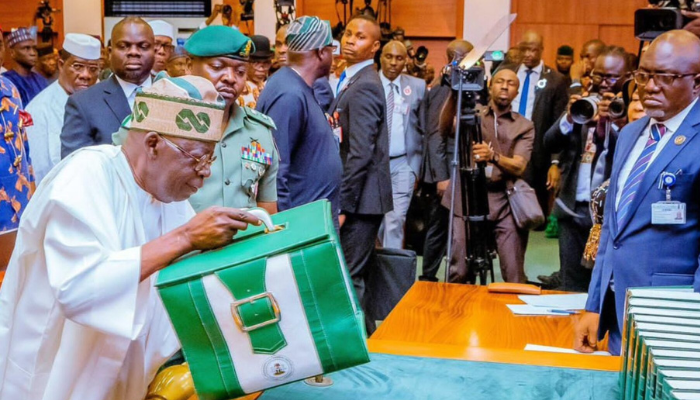
The performance indices of Nigeria’s 2024 budget reveal a fiscal system in distress, characterized by severe revenue under-performance, excessive borrowing, and a crippling debt service burden. While the government points to these metrics as signs of its commitment to fiscal management, the reality on the ground, a skyrocketing debt profile, record poverty, and mass unemployment, tells a different story.
The administration’s narrative of a “performing economy” is a mirage, a statistical illusion that obscures a deepening humanitarian and economic crisis. The awarding of mega-contracts to a close associate of the president, Gilbert Chagoury, in the midst of this fiscal strain, further undermines public trust and suggests a pattern of governance that prioritizes private interests over public good. Until the government aligns its fiscal priorities with the urgent needs of its citizens, investing in sectors that drive inclusive growth, reduce inequality, and tackle poverty, its claims of economic success will remain hollow and disconnected from the harsh reality faced by the majority of Nigerians.
 Thesearchlight.com
Leave a comment