By Matthews Otalike, The Searchlight.com / August 8, 2026
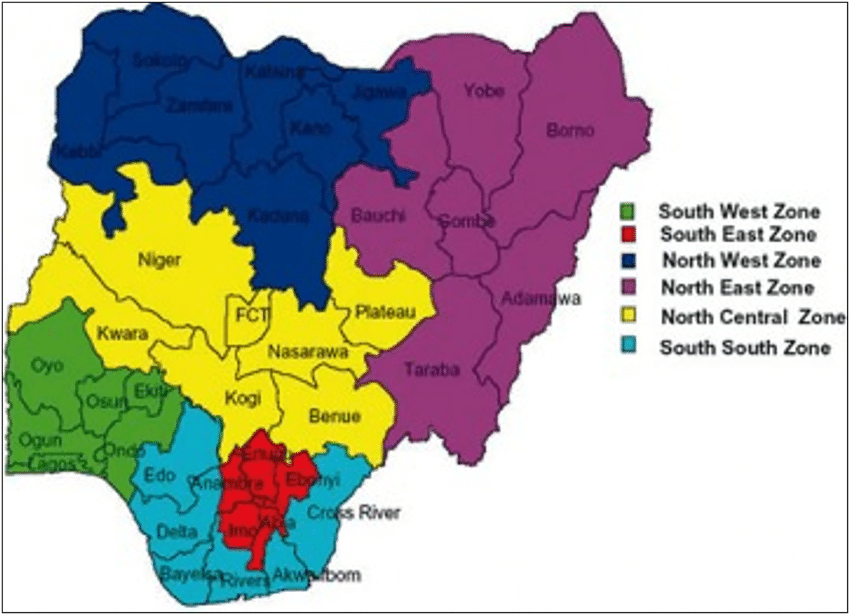
Nigeria’s security crisis has persisted for years,from Boko Haram in the northeast to banditry in the northwest, from farmer-herder conflicts in the middle belt to kidnapping-for-ransom across the country. Yet one fundamental question is repeatedly asked but seldom taken seriously: When there exists a structural complicity between the makers of insecurity and those in power, how can the government truly curb terrorism? Most people know but they are scared of talking about it for fear of the government’s paid “attack dogs”.
Public admissions by multiple APC stalwarts, from founding member Kawu Baraje to former Kaduna State Governor Nasir El-Rufai, reveal a disturbing chain of causation: the Fulani militias imported from neighbouring countries ahead of the 2015 elections, after the polls, refused to leave and gradually evolved into the heavily armed bandits and terrorists plaguing the nation today. And the successive APC administrations’ responses, from compensation payments to the RUGA settlement scheme, from tolerance of terrorist apologists to alleged ongoing “salary” payments, paint an astonishing picture: A regime that came to power through armed violence cannot truly destroy the armed violence it depends on.
Imported Militias: Sowing the Seeds of the Security Crisis
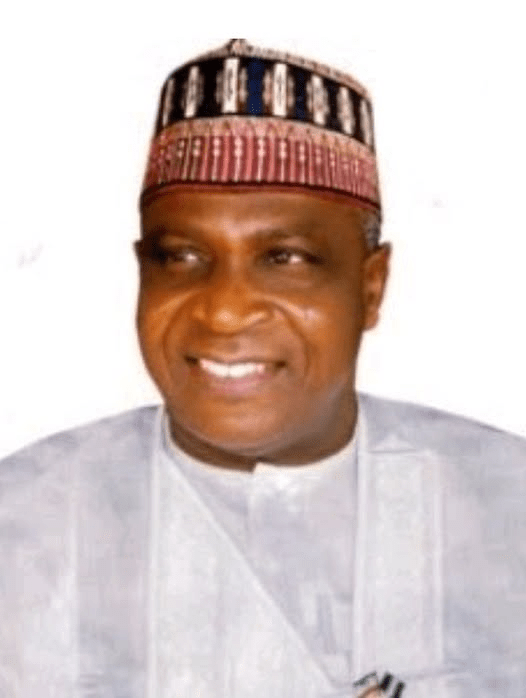
In February 2021, Alhaji Abubakar Kawu Baraje, a founding core member of the APC and former National Chairman of the PDP, gave an interview to journalists in Ilorin on the occasion of his 70th birthday. He traced the origin of the current national security crisis, stating unequivocally that the Fulanis causing destruction were not indigenous Nigerian Fulanis but had poured in from neighbouring countries, Sierra Leone, Mali, Senegal, Niger, and Chad.
Baraje said: “We did not ask the right questions, why did the Fulanis with whom we had lived peacefully suddenly become a scourge? … The Fulanis causing the security problems are not Nigeria’s indigenous Fulanis.” He further disclosed that these Fulani militiamen were brought in to help the APC win the 2015 elections. After the elections, these Fulanis refused to leave. Baraje revealed: “I and other like-minded people wrote letters warning those who co-founded the APC with us that this would create problems, but no one listened.”
Baraje later reiterated in another interview: “Nigerian Fulanis do not carry guns. They only carry machetes for clearing bushes and sticks for herding cattle. Those who carry weapons are pure criminals who exploit our porous borders and enter without cattle.” He stressed that these foreign criminals first stole cattle in the northwest to get livestock, masquerading as herders, before spreading their activities to the south.
It is worth noting that Baraje later in 2022 denied some media reports, claiming he had been “taken out of context.” However, the original video and his full remarks from the 2021 birthday interview, including “we brought in Fulanis, after the elections they refused to go back”, have been recorded and archived by multiple media outlets. Former APC Deputy National Publicity Secretary Timi Frank also publicly called for an investigation into the APC leadership’s links to terrorists. The memoirs of a former DSS Director General further corroborated these allegations, the book confirmed that the APC indeed imported “Fulani militias” from the Sahel region (including Mali, Sierra Leone, and Senegal) ahead of the 2015 elections to influence the outcome.
Buying Off Violence: Feeding Violence with Public Funds
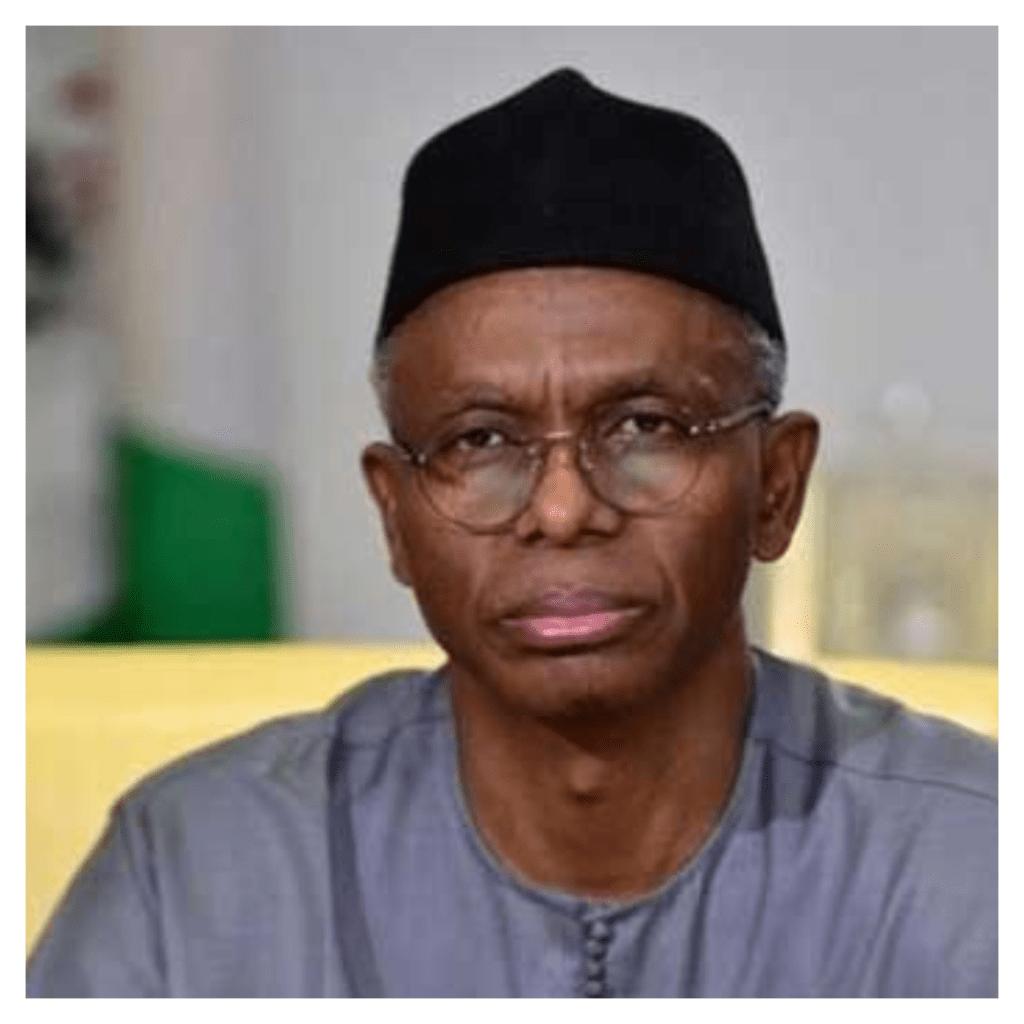
In December 2016, then-Kaduna State Governor Nasir El-Rufai made an equally startling public admission. He told journalists that his government had tracked down some violent, aggrieved Fulanis to their home countries and paid them to stop the killings in Southern Kaduna.
El-Rufai elaborated: “The root cause of the Southern Kaduna problem began with the post-2011 election violence … Fulani herders from all over Africa brought their cattle south to the middle belt and southern Nigeria. When the rainy season came, they began moving north again to return to their respective countries and communities. Many of these people were killed, cattle were lost, and they organized themselves to return to take revenge.”
He continued: “We took some measures. We sent people to Cameroon, Niger Republic, and other places to track these people and tell them that there is a new governor who is also Fulani, and he is willing to pay compensation for lives lost and pleads with them to stop the killings. … One or two demanded monetary compensation. They said they had forgiven the loss of lives but asked for compensation for cattle. We said no problem, we paid some.”
An editorial in The Punch newspaper directly accused El-Rufai of violating Nigeria’s Anti-Terrorism Act. The Act explicitly states: “Any person who in any manner engages, attempts, threatens, facilitates, assists, or abets terrorism, or participates in terrorist financing, commits an offence and is liable on conviction to life imprisonment or a fine of not less than N150 million, or both.” The editorial called for El-Rufai’s immediate arrest and prosecution.
Ironically, this same political figure, who pioneered the “paying armed elements” approach, years later fiercely attacked the Tinubu administration for allegedly paying ransoms and “salaries” to terrorists through the Office of the National Security Adviser. In a television interview in August 2025, El-Rufai claimed the current government, through NSA Nuhu Ribadu’s office, was spending billions of naira, under the guise of a “non-kinetic security strategy”, to supply food and salaries to armed terrorists and bandits.
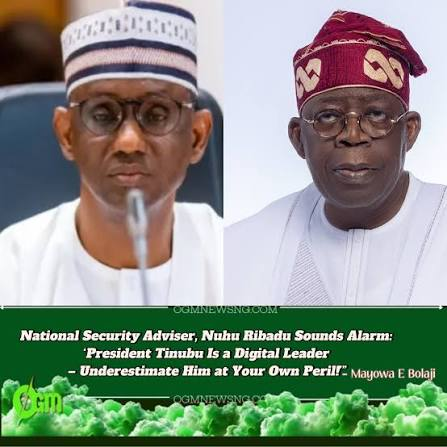
Ribadu vehemently denied the allegations, calling them “baseless” and stating that “neither his ONSA nor any government department under this administration has ever been involved in ransom payments or incentives to criminals.” A group called the “Centre for Democracy and Integrity” also accused El-Rufai of making “unsubstantiated” claims.
However, regardless of the veracity of these latest allegations, a deeper dilemma has emerged: A governor who personally paid armed elements is now accusing others of doing the same, and public trust in the government’s anti-terrorism sincerity was already destroyed by the precedent of “payment as a solution.”
RUGA Scheme: Settling Armed Forces with Land
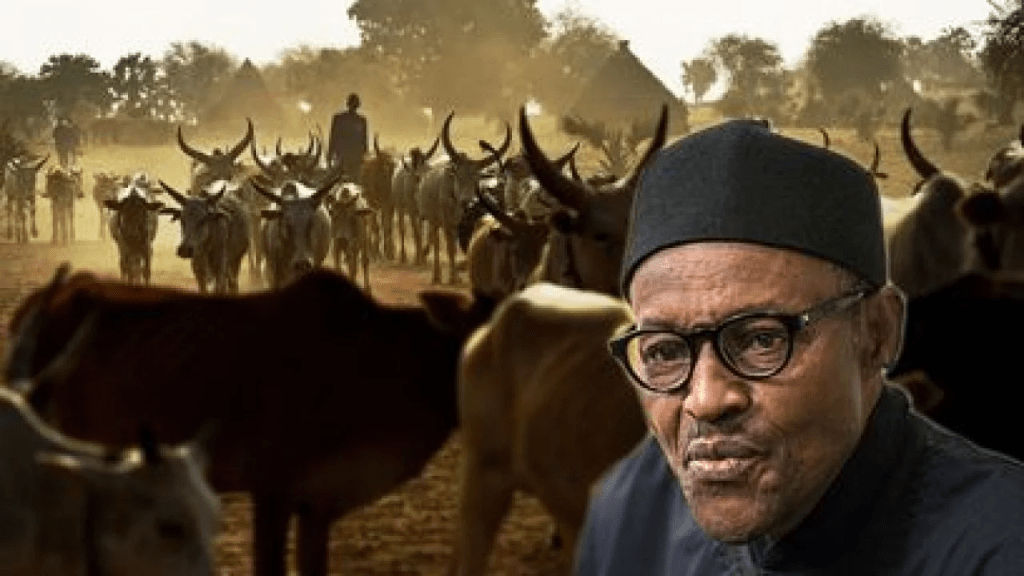
Faced with these foreign militiamen who refused to leave, the Buhari administration’s proposed solution was the RUGA (Rural Grazing Area) scheme, essentially establishing Fulani settlements across the country.
The scheme met with fierce opposition nationwide. Many states saw it as an attempt to “reintroduce a controversial land-grabbing plan.” One group declared it a covert bid by the government to “cede the country’s land to Fulanis,” who constitute less than 5% of Nigeria’s population. Another group warned it was a “hidden plan to take over our ancestral lands under the guise of agriculture and hand them over to Fulani settlers.”
Under immense public pressure, Buhari suspended the scheme in July 2019. But the attempt itself exposed the government’s fundamental attitude toward armed Fulani groups: not restoring order through law and force, but accommodating them through land settlement. For many Nigerians, this amounted to rewarding violence with national territory.
Ahmad Gumi: The Religious Apologist for Terrorism
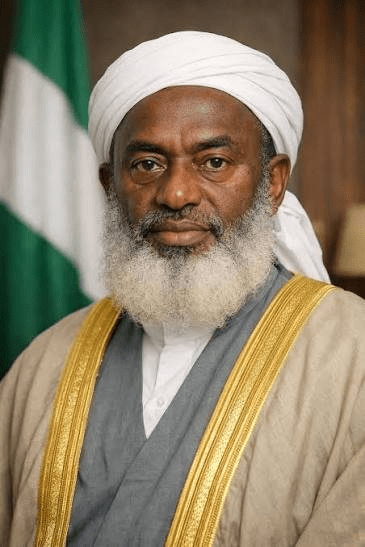
Islamic cleric Sheikh Ahmad Gumi has long been a public defender of armed bandits. In a widely circulated video, Gumi claimed that Fulani herders “are not going anywhere,” stressing that “they are part of us and we are part of them. We must live with them.”
Human rights activist Deji Adeyanju consequently called for Gumi’s immediate arrest. Adeyanju wrote: “A sympathizer of terrorism is a terrorist,” and stressed that “only in a failed state can someone like Gumi survive.” Adeyanju further pointed out that under Nigeria’s 2022 Terrorism (Prevention and Prohibition) Act, Gumi’s continuous glorification of terrorism, public support for, and defence of terrorist activities carry a minimum penalty of 20 years’ imprisonment.
Despite the federal government having designated bandits as terrorists in 2021, Gumi remains at large to this day. Although Defence Minister General Christopher Musa had warned Gumi and others to cease “subversive behaviour,” stating that “a friend of a thief is a thief,” it was merely a verbal warning, no action followed. In March 2026, Gumi even publicly claimed that “the government knows the names and locations of every terrorist”, a statement that itself poses a grave challenge to national security, yet again attracted no legal consequences. Are terrorism sympathizers in the corridors of power scared that any attempt to reign in Gumi will make him spill the beans? How can the Tinubu administration explain the silence?
When voices that defend terrorism can spread publicly with impunity, the anti-terror war has already failed on moral and legal grounds.
The Formation of an Interest Community: Why the Problem Cannot Be Solved
Connecting the dots above reveals a clear interest community:
1. Imported militiamen provided “military insurance” for the APC’s seizure of power (as per Baraje’s admission).
2. These militiamen refused to leave, becoming a persistent security threat.
3. The government responded through compensation payments rather than force, effectively legitimizing armed violence (El-Rufai’s admission)
4. The government attempted to provide permanent land settlements through the RUGA scheme (Buhari’s policy).
5. Religious figure Gumi provides moral justification, yet faces no legal sanction.
6. The current administration is accused by El-Rufai of continuing ransom and “salary” payments to sustain them.
El-Rufai stated bluntly in his 2025 interview: “You cannot fund your enemy, you cannot give him money to buy advanced weapons. That is why the security problem has not gone away, and as long as this policy continues, it will not go away.” When the same people who fund terrorists are also in charge of counter-terrorism, how can terrorism be curbed?
Conclusion
The APC government’s inability to curb terrorism stems from a fundamental structural complicity with the forces that create insecurity. From the “original sin” of importing militias in 2015, to the ongoing policy of buying off violence, to the tolerance of terrorist apologists, this chain of actions paints a complete picture.
The crux is not about “kinetic” versus “non-kinetic” tactics, but whether the highest decision-makers are genuinely willing to sever their interest-based ties with armed groups. From the evidence so far, Baraje’s warnings unheeded, El-Rufai’s payment precedent unpunished, the RUGA scheme only suspended not repudiated, Gumi still at large, and the APC leadership’s ties to armed forces never seriously investigated, the answer is no.
As long as this symbiotic relationship remains unbroken, as long as voices defending terrorism escape legal accountability, and as long as the government continues to use “non-kinetic” as a cover for funding terrorists, Nigeria’s security crisis will continue to worsen. A regime that came to power through armed violence cannot truly destroy the armed violence it depends on. This is not only Nigeria’s tragedy, it is a mockery of every soldier who has sacrificed for national security and every civilian victimized by violence.
The Searchlight calls for: an independent, transparent judicial investigation into these public admissions and allegations; prosecution of any individual, regardless of political status, found to have links with terrorism; a definitive end to all forms of terrorist funding, whether through payments, compensation, or land settlements; and the immediate arrest and prosecution of anyone who publicly defends terrorism. Without these fundamental changes, Nigeria’s anti-terror war will forever be an unwinnable war.
The question no one is ready to answer is: Who in the APC is ready to publicly demand an investigation, when all those publicly accused of involvement with terrorists in Nigeria is in the party?


Leave a comment