By The Searchlight Editorial Team / August 3, 2026
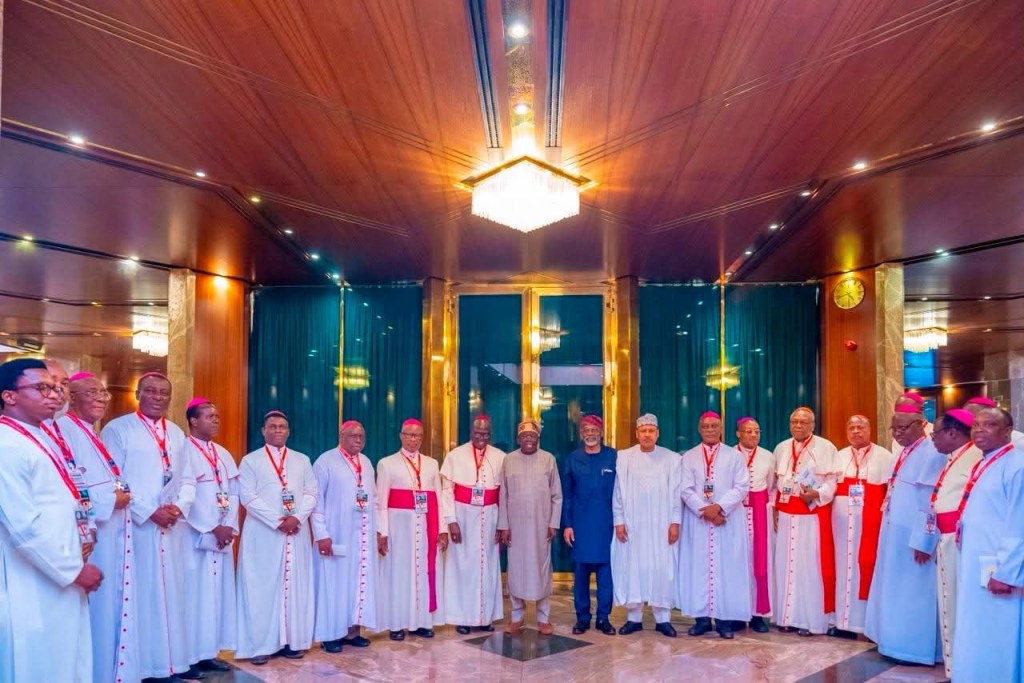
On 28 July 2026, the Catholic Bishops’ Conference of Nigeria visited the State House, Abuja and did what too few people around President Bola Ahmed Tinubu appear willing to do: they told him the country is bleeding. They spoke of an economy that is crushing the poor, of insecurity that continues to mock official claims of progress, and of a political climate drifting toward one-party dominance ahead of the 2027 elections, among other concerns. The President’s reply was blunt. That nation is not bleeding and the economy is doing fine. He did not agree with the bishops’ observations.
John Cardinal Onaiyekan’s subsequent account on Arise News stripped away the usual diplomatic varnish. The bishops had not come to flatter the President as some other persons are wont to do. Their statement was the product of deliberate consultation across the Bishop’s Conference, which is usually meticulously written, rewritten and corrected. They felt an obligation to counter the “rosy picture” that surrounds the President. Tinubu’s face during the interface, according to Cardinal Onaiyekan, showed he was not happy. Neither were those with him. The exchange was not polite. “When a nation is bleeding”, the Cardinal observed, “one should not expect polite meetings with the Head of State”.
This was not a theological disagreement. It was a collision between lived Nigerian reality and official narrative. The bishops insisted the economy is not helping the poor and Tinubu insisted it is performing. The data makes the bishops’ position difficult to dismiss as mere pessimism.
Headline inflation stood at 15.91 per cent in June 2026; it barely changed from 15.93 per cent in May. Food inflation, the component that hits ordinary households hardest, rose to 17.52 per cent. These figures represent a sharp decline from the peaks of 2024, when inflation exceeded 30 per cent and food inflation topped 40 per cent. Yet they remain punishing. For households whose incomes have not kept pace, a sustained double-digit rate means the cost of rice, beans, bread, transport and rent continues to erode purchasing power month after month. Core inflation, which strips out volatile food and energy prices, was still 15.92 per cent. The official narrative of stabilization is statistically true in a narrow sense; it is incomplete as a description of lived experience.
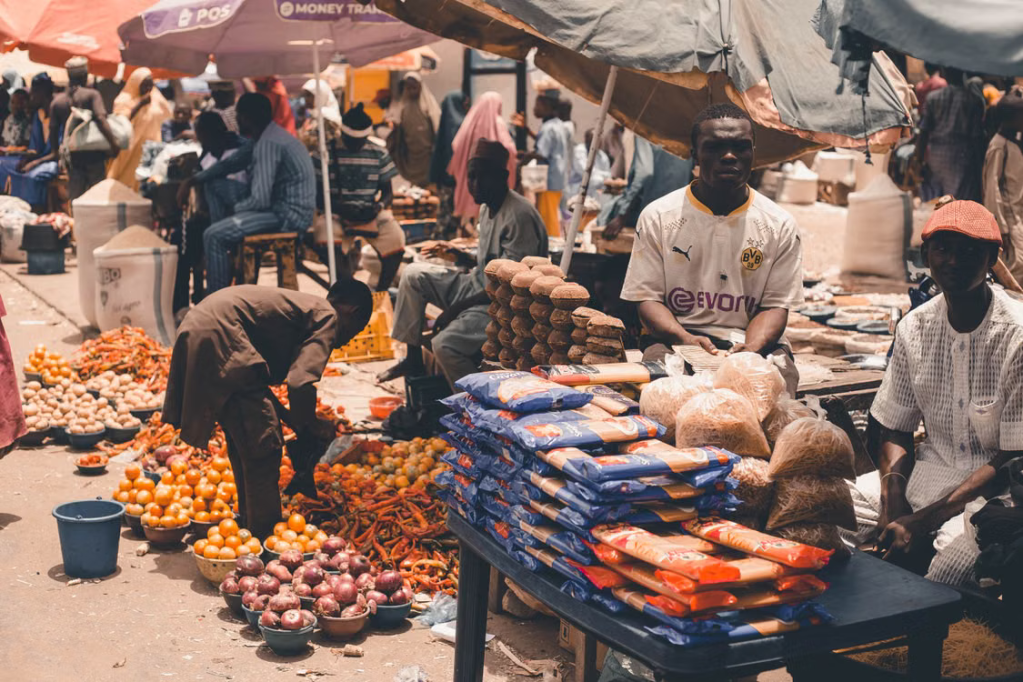
Poverty numbers tell a harsher story. World Bank assessments indicate that the poverty rate climbed to around 63 per cent in 2025 and is projected near 62 per cent in 2026, meaning that roughly 140 million Nigerians are living below the poverty line. That is not a rounding error. It is more than half the population. Macroeconomic growth, projected by various institutions in the 4.1 to 4.5 per cent range for 2026, has not translated into broad-based relief. Official unemployment remains low by the new National Bureau of Statistics methodology (around 4.9 per cent in late 2024 data), but this figure is widely recognized as misleading in an economy dominated by informal and underemployed labour. When nearly two-thirds of citizens are poor despite “low” unemployment, the labour market is not delivering security or dignity.
The Naira has shown periods of relative stability compared with the chaotic devaluation years, and foreign reserves have strengthened at points. Stock market indices have surged. Government spokesmen point to these as evidence that reforms are working. Yet for the majority who buy food in local markets, pay school fees in naira, and face intermittent power and insecurity, these indicators feel remote. The minimum wage increase to ₦70,000 has been largely swallowed by cumulative price rises. The gap between selected macro successes and household distress is precisely what the bishops sought to bring to the attention of the President.
On the political front, the bishops warned of the creeping danger of a one-party dominant state and of the structural problems in the electoral system. Tinubu defended the Independent National Electoral Commission as neutral and appeared to treat politics as a domain in which “all is fair.” The bishops rejected that maxim, arguing that there is propriety in politics. Winning by all means available to incumbents is not democracy; it is the soft slide toward something else. When the appointment of electoral umpires remains a presidential prerogative, public confidence erodes regardless of official assurances.
What makes the episode revealing is not merely the disagreement. It is the admission, from a senior cleric with no electoral ambition, that the President is surrounded by people who feed him comforting untruths. Cardinal Onaiyekan’s concern is structural: too few people near power are prepared to tell the occupant of Aso Rock what the country actually looks like. In such an environment, denial becomes policy. Metrics of recovery can be selected and amplified while the broader human cost is minimized. Inflation that has “eased” to nearly 16 per cent, poverty that engulfs more than 140 million people, and food prices that continue to climb are not abstract statistics. They are the daily arithmetic of survival for millions.
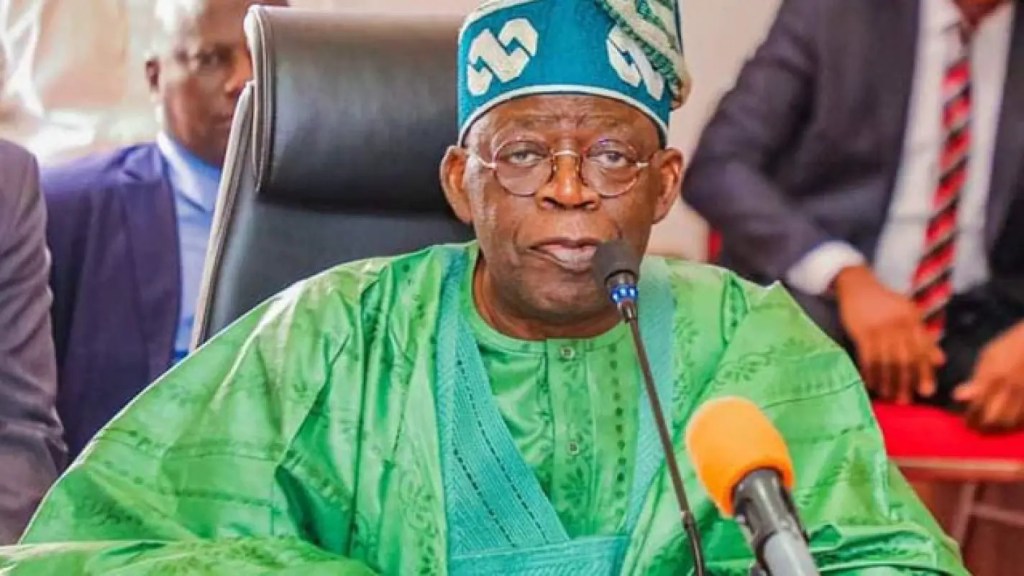
President Tinubu is entitled to reject the diagnosis. Leaders often do. However, what he cannot do without consequence is to treat the diagnosis as irrelevant. Selected indicators of stabilization do not erase the evidence that large numbers of citizens experience the economy as punitive. Security may be improving in official tallies; if communities still live under threat, the tallies are incomplete. Electoral institutions may be formally independent; if their composition and the surrounding political environment raise legitimate doubts, those doubts will shape the legitimacy of whatever result emerges in 2027.
The Searchlight has no obligation to soften this. Power prefers praise. Truth-telling is rarer and more necessary. The bishops performed a public service by refusing the role of court chaplains. The President’s counter reveals a governing mindset that prioritizes the defence of its own narrative over engagement with the contrary evidence of widespread hardship. That mindset is not unique to him, but it is dangerous. When those at the centre insist the nation is not bleeding while citizens outside the palace walls know otherwise, and while the numbers on poverty, food inflation and household distress confirm the bleeding, the distance between state and society widens. History suggests such distances rarely close gently.
Nigeria does not need more polite meetings that change nothing. It needs leaders prepared to hear that the picture their aides paint is incomplete, and institutions strong enough to constrain the natural impulse of incumbents to tilt the field. The bishops said as much, backed by the lived reality of tens of millions and by data that refuses to flatter. The President disagreed. The country, still bleeding in the places that matter most to ordinary people, is left to judge which account more closely matches reality.


Leave a comment