Nigeria’s highways and urban roads have long doubled as toll gates operated not by legitimate authorities but by men in police uniforms. Motorists routinely face demands for “something for the boys,” under threat of vehicle impoundment, fabricated charges, prolonged detention, or outright violence. Allegations of a hierarchical “returns” system, where junior officers remit portions of extorted funds to supervisors to retain lucrative checkpoint postings, are not mere rumors but a documented institutional practice.
This is not isolated misconduct. It reflects deeper failures in recruitment, welfare, oversight, and institutional culture that have turned segments of the Nigeria Police Force (NPF) into predators rather than protectors.
The “Returns” Economy: Institutionalized Extortion
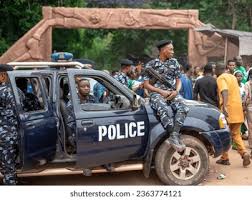
Human Rights Watch and other investigations have detailed a perverse incentive structure. Senior officers assign personnel to checkpoints and set implicit or explicit monetary targets. Officers who fail to deliver, risk transfer to less “lucrative” posts or other punishments. Rank-and-file officers then extort from motorists, commercial drivers, and traders to meet quotas and retain their positions.
Recent undercover and journalistic reports, such as TVC News’ 2026 series “Owo Mi Da!”, continue to expose this “extortion economy.” Drivers describe routine stops involving threats, document confiscation, or invitations to the station unless cash changes hands. Refusal often leads to harassment or fabricated offenses. This system persists despite periodic arrests and public outcry, suggesting it is embedded rather than aberrant.
The pattern extends beyond highways. Amnesty International and others have documented SARS (now disbanded but with echoes in other units) and regular officers engaging in arbitrary arrests, torture for extortion, property seizure, and “bail” payments that are simply bribes. Four years after #EndSARS, reports of unlawful detention, extortion, and brutality continue with limited accountability.
Recruitment: Gateways for the Unfit?
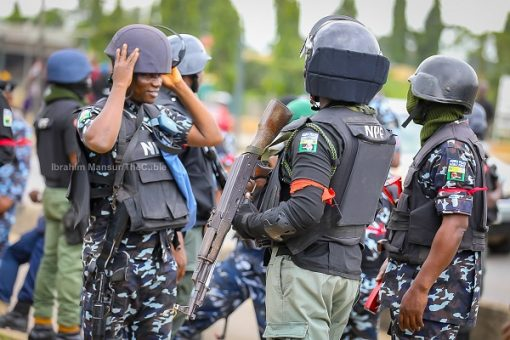
Yes, flawed recruitment has contributed significantly. Historical accounts note that rapid expansion of the force, combined with bribery in the enlistment process and inadequate screening for criminal backgrounds, allowed unsuitable candidates to join. As one former senior official told Human Rights Watch years ago, many joined because policing offered an “easy way of making money” amid declining public image and poor vetting.
Recent controversies reinforce this. The Police Service Commission (PSC) and NPF have traded accusations of corruption and irregularities in constable recruitments, with claims of political interference, bribery, and failure to properly vet applicants. While the force has stated it rejects repentant criminals or terrorists, persistent allegations of irregularities suggest screening remains porous.
Low attractiveness of the job to qualified candidates—due to poor conditions—exacerbates the issue. Quality applicants stay away, leaving a pool more susceptible to predatory behavior once inside.
Root Causes: Welfare, Underfunding, and Culture
Poor remuneration and appalling living conditions are frequently cited drivers. Officers face low salaries (often cited as inadequate for family support), irregular payments, substandard or absent housing, limited healthcare, and long hours without proper compensation. Frustration-aggression dynamics help explain why some officers, operating in a hostile environment with inadequate equipment and support, turn to self-help through extortion.
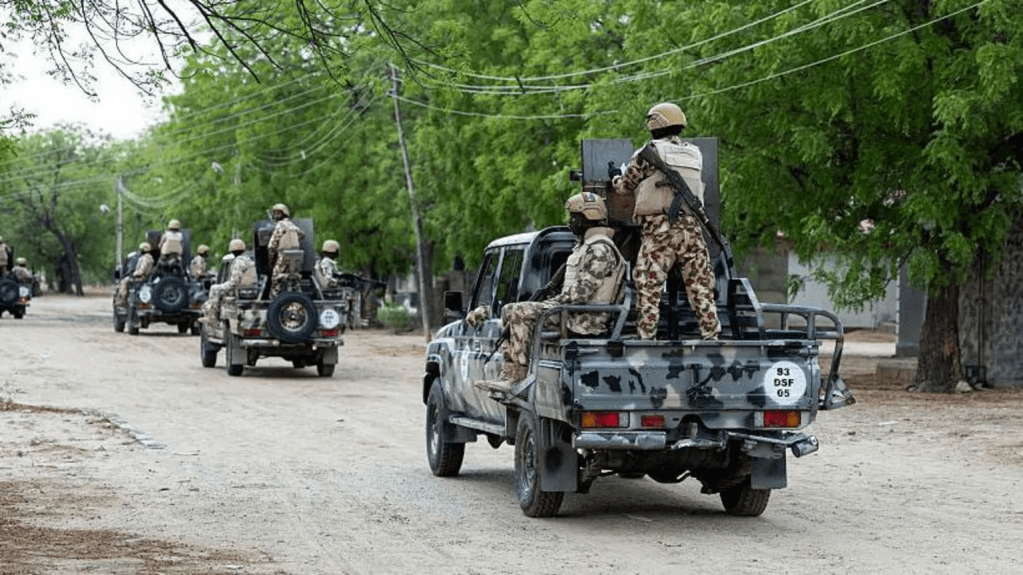
Chronic underfunding of the NPF leaves officers ill-equipped and demotivated, fostering a survival mentality. This does not excuse criminality but contextualizes it. A culture of impunity compounds the problem: internal “returns” protect participants, while external accountability is weak. Prosecutions are rare relative to the scale of abuse, and high-profile victims sometimes receive attention while ordinary citizens suffer silently.
Broader societal corruption and a legacy of military-era authoritarian policing attitudes have normalized abuse of power. Police are often seen as operating above the law, with citizens viewing interactions as transactional risks rather than protective services.
Consequences and the Path Forward
The human and economic costs are immense: eroded public trust, hindered commerce, reinforced insecurity (as resources go to bribes rather than crime-fighting), and a vicious cycle where corrupt policing fuels further crime and vigilantism. Nigeria’s anti-corruption bodies and international reports consistently rank police among the most bribe-prone institutions, though some surveys note modest declines in prevalence, still far from acceptable.
Critical Recommendations:
- Recruitment overhaul: Independent, transparent, technology-aided vetting with strict background checks, psychological evaluations, and merit-based selection free from political or financial interference.
- Welfare revolution: Competitive salaries, timely payments, decent housing, health insurance, and pensions. Officers must be paid enough to remove the economic incentive for predation.
- Structural reform of incentives: Dismantle the “returns” system through rigorous internal auditing, rotation policies, body cameras at checkpoints, and whistleblower protections.
- Accountability: Independent oversight (strengthening PSC and external bodies), swift prosecution of extortion and brutality, and compensation for victims.
- Training and equipment: Professional ethics training, community policing models, and adequate operational resources to restore dignity and effectiveness.
- Leadership purge: Hold senior officers accountable for enabling cultures of extortion; performance metrics must prioritize rule of law over revenue extraction.
The Nigeria Police Force contains dedicated officers who risk their lives daily. But systemic failures have allowed criminal elements and predatory practices to thrive. Without root-and-branch reform—addressing recruitment, welfare, incentives, and impunity, the “owo mi da” (where is my money) culture will persist, undermining not only policing but the Nigerian state itself.
The public deserves better. Reform is not optional; it is existential for credible security and governance. Until then, the man in uniform at the checkpoint will too often remain a figure of fear rather than reassurance.


Leave a comment