US Congress has reportedly taken a strong, proactive stance on reports of severe persecution of Christians in Nigeria, framing it in stark terms like “genocide,” “massacre,” or the “deadliest place in the world to be Christian.” This includes resolutions, hearings, reports, aid conditions and cuts, sanctions, threats, and support for designating Nigeria as a Country of Particular Concern (CPC).
Key actions primarily between 2025 and 2026 under the Trump administration includes the following:
– H.Res.866 (introduced Nov 2025 by Rep. Riley Moore and co-sponsors) which condemns the persecution and backs Trump’s CPC designation and decisive action.
– Joint House Appropriations and Foreign Affairs Committee investigations, briefings, hearings, and a major report to the White House (Feb 2026) detailing violence by jihadist groups, Fulani militias, etc., with estimates of thousands killed, churches destroyed, and displacement.
– Conditioning or cutting US aid by 50% or more, tied to religious freedom improvements, accountability for perpetrators, and security reforms.
– Calls for sanctions on officials and governors, visa restrictions, a new US-Nigeria security agreement, state police support in Nigeria, and broader counter-extremism measures.
Critically, this reflects genuine humanitarian and religious freedom concerns backed by data from groups like Open Doors, USCIRF, and eyewitness reports. Nigeria has long ranked high in global Christian persecution indices due to Boko Haram, ISWAP, banditry, and farmer-herder conflicts in the Middle Belt, which disproportionately affect Christian communities. Congress’s focus leverages US aid, and security cooperation which aligns with broader CPC mechanisms under the International Religious Freedom Act.
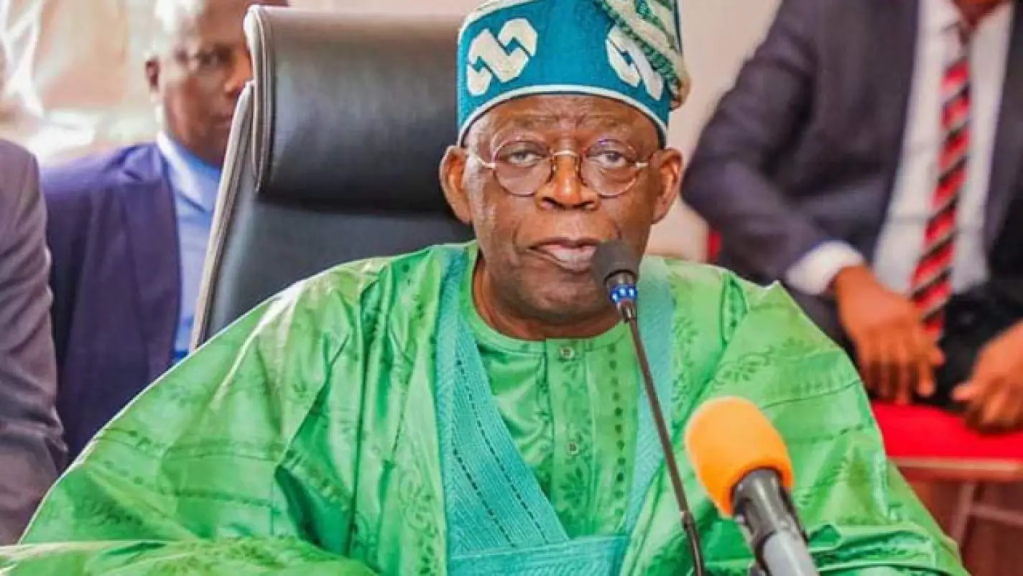
However, critics allege politicization and exaggeration risks in the use of terms like “genocide”. The Nigerian government under President Bola Tinubu denies systematic targeting of Christians, arguing that the violence is multifaceted and affecting Muslims too, and that the state is not complicit. Framing complex insecurity primarily as religious genocide can oversimplify root causes like governance failures, poverty, and weak institutions.
– Selectivity and timing: Heavy emphasis under a Republican/Trump-aligned Congress raises questions about consistency (e.g., past Democratic administrations were slower). It may serve domestic evangelical constituencies or broader geopolitical aims (countering China/Russia influence in Nigeria).
– Effectiveness: External pressure can spotlight issues and encourage reforms (e.g., Tinubu’s state police push), but risks backlash, sovereignty tensions, or ineffective sanctions if not paired with capacity-building. Nigeria’s responses often emphasize internal solutions and dismiss external narratives as inaccurate.
Overall, Congress’s position is assertive and evidence-driven on the scale of suffering but invites scrutiny for potential bias in emphasis and solutions.
Tinubu’s Alleged Narcotic Business in the US

This has been longstanding allegations from a 1990s US civil asset forfeiture case in Chicago. Court documents (1993) linked bank accounts in Bola Ahmed Tinubu’s name to a heroin trafficking and money laundering ring. Tinubu forfeited approximately $460,000 (part of larger seizures) without being criminally charged or convicted. He was not indicted in the related criminal case against ring members.
The facts of the case include:
– US authorities alleged the funds were proceeds of narcotics trafficking and money laundering.
– Tinubu forfeited the assets in a civil settlement; no trial occurred on his involvement.
– Details resurfaced periodically, especially during his presidential campaigns and presidency, with FOIA requests and calls for full document release some of which were blocked by agencies citing privacy and national security concerns.
Critical analysis of the issues include:
– Serious red flag: A sitting head of state with documented ties to a drug forfeiture case raises profound questions about integrity, vetting, and potential vulnerabilities such as blackmail or compromised decision-making. Even without conviction, civil forfeiture implies probable cause linking assets to crime. Tinubu’s supporters keep arguing that it was a settlement to avoid protracted litigation, and Tinubu has denied wrongdoing, claiming that the funds were legitimate business-related.
– Limitations: There is no criminal conviction, it is decades-old, and occurred before his major political career. While critics (including Nigerian opposition and US activists) see it as disqualifying, Tinubu’s defenders call it a smear or politically timed. US agencies’ resistance to full transparency is fueling suspicion.
– Relevance to Congress’s Nigeria policy: It undermines Tinubu’s government’s moral authority when responding to US pressure on Christian persecution. If governance failures enable violence, personal history of alleged financial impropriety, even if it is old, compounds perceptions of elite impunity. However, the American Congress’s primary driver remains the violence data.
Broader Critical Synthesis
US Congress’s dual focus highlights a principled stand on religious freedom intersecting with skepticism toward Nigeria’s leadership. Strengths include amplifying marginalized victims and using leverage for accountability. Weaknesses involve risks of oversimplification, diplomatic friction, and questions of US consistency in global human rights (e.g., vs. other conflict zones).
The Tinubu drug history adds a layer of personal and political controversy that erodes trust but does not define the persecution issue. Nigeria’s challenges are deep-rooted; external pressure can catalyze change but cannot substitute for domestic political will, inclusive governance, and justice for all victims regardless of faith. True resolution requires addressing underlying failures in security, rule of law, and equity, beyond narratives of genocide or past scandals. Both sides benefit from transparent dialogue over confrontation.
Over time, President Tinubu and his political machine, hired his bitterest critics in the opposition camp by employing a classic, pragmatic Nigerian political strategy of co-opting or absorbing vocal critics through appointments, patronage, ideological realignment, or mutual benefit. This turns potential liabilities into assets, neutralizes opposition narratives, demonstrates “magnanimity,” and leverages their communication skills and credibility with certain audiences.
Reno Omokri, for example, was a prominent PDP-aligned commentator and former aide to Atiku Abubakar and a fierce critic of Tinubu. He questioned Tinubu’s health and fitness, called out alleged issues, and publicly stated he would not work with him due to principles.
However, post-2023 election, Omokri reviewed his position, withdrew some criticisms, and became a vocal defender of Tinubu’s policies. Tinubu later nominated and appointed him as Nigeria’s Ambassador to Mexico.
This may be because Omokri is a skilled communicator and social media influencer. Appointing him rewards loyalty, silences a sharp tongue, and uses his energy against current opponents. .
Another person is Daniel Bwala, a lawyer and vocal PDP/Atiku campaign spokesperson, who heavily criticized Tinubu during the 2023 election cycle. He presented “receipts” against him (including on certificate issues) and attacked APC figures. Appointed as Special Adviser to the President on Policy Communication, Bwala now aggressively defends the administration and targets opposition figures like Obi.
Bwala is seen as articulate, media-savvy, and knowledgeable about opposition tactics. His defection provides insider credibility when attacking former allies. It also exemplifies the “if you can’t beat them, join them” dynamic, common in Nigerian politics for survival and relevance. Critics accuse him of prioritizing attacks over policy promotion.
Festus Keyamo, a longtime APC loyalist and SAN, has had a more complex relationship. He was involved in legal or public challenges and criticisms related to Tinubu (e.g., certificate issues in the past, per reports), though he was generally pro-APC. He served as a campaign spokesperson and has defended Tinubu robustly.
Keyamo brings legal acumen, oratory skills, and South-South political weight. His alignment fits the broader pattern of consolidating power within APC while pulling in talent from adversarial circles.
Broader Reasons for This Strategy
Tinubu and APC excel at coalition-building. Absorbing critics (a pattern also seen with others like Femi Fani-Kayode) weakens the opposition, fragments PDP and Labour unity, and projects strength and inclusivity. “Tinubu does not forgive critics; he absorbs them” is a common observation.
Communication warfare: These figures are effective polemicists. In Nigeria’s polarized, social media-driven politics, having ex-critics defend you disarms opponents (“Even your former attacker now supports us”) and provides fresh attack dogs against Peter Obi, Atiku, etc.
Patronage and incentives: Appointments (ambassadorships, advisory roles, ministerial positions) offer prestige, financial benefits, protection, and relevance. Politics in Nigeria is often transactional; ideology bends to power and resources.
Credibility and optics: Former critics lending support can sway undecided voters or neutral observers, especially if they frame their shift as “evidence-based” or patriotic.
Critically, this is smart realpolitik but it fuels cynicism. Detractors call it opportunism, betrayal of principles, or proof of a system where personal gain trumps consistency. Supporters see it as maturity and recognition of good governance. It highlights deeper issues in Nigerian politics such as weak ideological parties, winner-takes-all dynamics, and how power attracts converts. Whether it strengthens Tinubu’s base long-term (e.g., for 2027) depends on delivery on economic/security promises amid ongoing public discontent. Many such shifts are viewed skeptically as self-serving rather than principled.


Leave a comment