By Matthews Otalike, The Searchlight Correspondent / June 25, 2026
Nigeria’s judiciary stands at a crossroads. It is overburdened, under-resourced, plagued by delays that stretch cases over years or decades, and tarnished by persistent allegations of corruption and political interference. While laws proliferate, enforcement falters partly because courts fail to deliver timely, credible rulings. Meaningful reform must target structural inefficiencies, accountability deficits, and capacity gaps. There are specific, actionable strategies grounded in ongoing efforts, past initiatives like the Administration of Criminal Justice Act (ACJA) 2015, and lessons from comparative experiences to improve the situation.
1. Accelerate Case Management and Reduce Backlogs
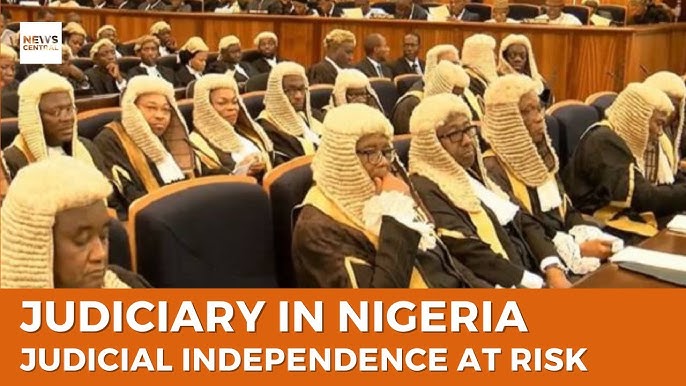
Expand Judicial Capacity Strategically: Proposals to increase Supreme Court justices (e.g., from 21 toward 30–45) and Court of Appeal judges (from ~70 to 110) aim to tackle appellate bottlenecks. Pair this with limits on the types of cases the apex court hears, focusing on significant constitutional and legal issues while diverting routine matters, to prevent overload.
Mandatory Day-to-Day Trials and Time Limits: Fully implement and enforce ACJA provisions requiring trials to proceed daily until conclusion. Introduce constitutional or statutory time limits for corruption and high-profile cases (similar to election petition timelines), with automatic consequences for unjustified delays.
Specialized Courts and Divisions: Establish or strengthen specialized courts for commercial disputes, financial crimes, cyber-crime, taxation, maritime, and land matters. This allows judges with domain expertise to handle cases faster and more competently.
Performance Metrics and Monitoring: Set measurable targets for case disposal rates, with public dashboards tracking court performance. Strengthen the judiciary’s inspectorate division to enforce sitting hours (e.g., 9am–4pm) and penalize chronic under-performance.
2. Full Digitization and Technological Modernization

Integrated Electronic Case Management Systems: Roll out nationwide digital filing, e-service of processes, virtual hearings, and real-time case tracking. Pilot programs and electronic justice resource centers have shown promise; scale them aggressively with dedicated funding.
Electronic Recording and Evidence: Mandate audio-visual recording of proceedings (already innovated in ACJA) and fully leverage the Evidence Act 2011 for digital evidence to reduce reliance on manual transcripts that cause delays.
AI-Assisted Tools: Explore (with safeguards) AI for scheduling, preliminary document review, and legal research to free judges for substantive work. Secure infrastructure against cyber threats is non-negotiable.
3. Strengthen Independence, Accountability, and Integrity
Fiscal Autonomy: Implement true financial independence for the judiciary at federal and state levels (building on Executive Order 10 ideas). Direct funding releases and budget autonomy reduce executive leverage.
Transparent Appointment and Discipline: Merit-based selection with rigorous background checks involving anti-corruption agencies. Strengthen the National Judicial Council (NJC) disciplinary mechanisms, with faster timelines for complaints and public reporting on outcomes. Reconstitute and empower Anti-Corruption and Transparency Units (ACTUs) within the judiciary.
Asset Declaration and Whistleblower Protection: Enforce robust, verifiable asset disclosure for judges with independent verification. Protect and reward whistleblowers while insulating honest judges from reprisals.
Ethical Training and Continuous Education: Expand the National Judicial Institute (NJI)’s role in mandatory anti-corruption, ethics, and skills training. Collaborate with ICPC and international partners.
4. Broader Systemic and Support Reforms
Alternative Dispute Resolution (ADR): Mandate or incentivize mediation, arbitration, and plea bargaining (enhanced under ACJA) for suitable cases to divert volume from formal courts.
Improved Funding and Welfare: Adequate budgets for infrastructure, libraries, research assistants, and competitive remuneration to reduce vulnerability to bribery. Address poor working conditions that demoralize staff.
Prosecution and Investigation Synergy: Train and resource prosecutors better; enforce timelines for legal advice and case files. Integrate police, EFCC/ICPC, and courts through shared digital platforms.
Citizen Oversight and Social Accountability: Institutionalize court user feedback mechanisms, citizen observers in select proceedings, and public education on rights to build pressure for compliance.
Holistic Criminal Justice Policy: Develop a comprehensive national policy addressing outdated codes, prison decongestion (vast majority of inmates are awaiting trial), and alternatives to imprisonment. Decentralize aspects where feasible while maintaining standards.
Implementation Challenges and Success Factors

Past reforms like ACJA/ACJLs have reduced average criminal case delays in adopting jurisdictions, proving change is possible when political will aligns with execution.
Barriers include resistance from vested interests, funding shortages, and uneven state-level adoption. Success requires:
- Bipartisan legislative support for constitutional amendments.
- Executive-judiciary collaboration without compromising independence.
- Civil society and media monitoring.
- Phased pilots with rigorous evaluation and scaling.
International technical partnerships (e.g., UNODC, NCSC) for capacity building, not dictation.
The Benefit for Nigeria
Effective judicial reform would close the implementation gap on countless laws, deter impunity, boost investor confidence, ease doing business, and restore public trust. Nigerians obey laws abroad because institutions there credibly enforce them. Replicating that credibility at home requires deliberate, sustained effort, not more performative bills.
The Searchlight calls for urgency: half-measures have prolonged the crisis long enough. Prioritize these strategies with measurable milestones, transparent funding, and relentless accountability. A reformed judiciary is not a luxury; it is the bedrock of any functional democracy and prosperous society. Nigeria’s latent potential demands nothing less.


Leave a comment