By The Searchlight Investigative Team / June 18, 2026
Nigeria’s prolonged security crisis, spanning Boko Haram insurgency in the Northeast, banditry and farmer-herder violence in the Northwest and North-Central zones, and spreading threats to the South, has displaced millions and reshaped demographics in affected regions. Over 15 years, citizens driven from ancestral farmlands by violence, often linked to groups described as killer Fulani herders or terrorists, languish in IDP camps. Many vacated lands appear occupied by new settlers, raising accusations of deliberate demographic engineering. Critics question whether the federal government’s response prioritizes genuine resolution or political calculations ahead of the 2027 elections.
The scale of Displacement and Barriers to Return
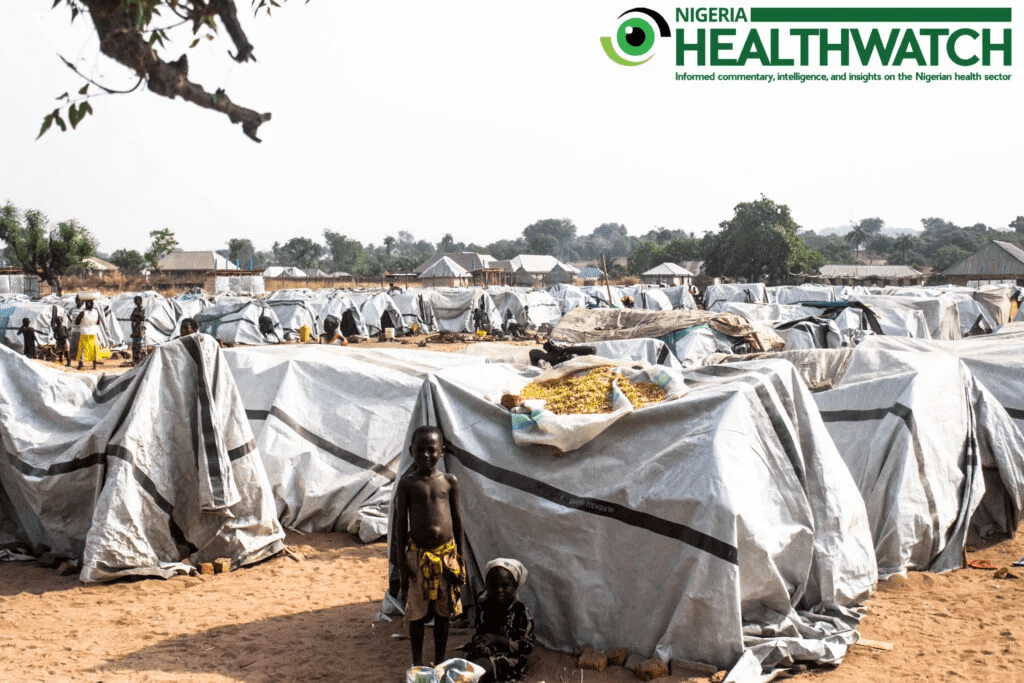
The Boko Haram insurgency since 2009 has killed tens of thousands and displaced over 2 million at peak, with nationwide IDP figures around 3.5–3.7 million as of recent years, concentrated in the Northeast (Borno, Adamawa, Yobe), Northwest, and North-Central states. Herder getting into conflicts with farmers, killing and driving off their lands, exacerbated by population pressure, desertification, and resource competition, has compounded this, particularly in the Middle Belt where ethnic and religious fault lines (often Christian farmers vs. Muslim Fulani herders) overlap.
Returns have been partial and problematic. In Borno state, the Zulum government’s “Reconstruct, Rehabilitate, and Resettle” efforts faced criticisms for being insufficiently voluntary or secure. Many IDPs resist return due to ongoing threats, destroyed infrastructure, lack of livelihoods, and fear of reprisals or land-grabbing upon arrival. Reports note chaotic processes leading to intra-communal conflicts, with stronger households returning first while others remain in camps facing overcrowding, poor services, hunger, and limited opportunities. As of 2025–2026, new displacements continue amid floods, banditry, and insurgent activity.
Delay in safe, organized returns after 15+ years?
Practical challenges include persistent insecurity (Boko Haram/ISWAP factions remain active, attacking even military targets), weak intelligence, and under-resourced demining and reconstruction. Critics allege deeper motives: political reluctance to confront powerful interests or a tacit acceptance of changed demographics favoring certain groups. Land Occupation by “Killer Fulani Herders” are not new but have intensified with climate stress and arms proliferation. Many incidents involve armed Fulani militants raiding farming communities, killing, raping, and displacing original land owners. In some Middle Belt and Southern Kaduna cases, vacated villages reportedly see Fulani settlement, fueling narratives of “Fulanization” or jihadist land-grabbing rather than mere resource conflict.
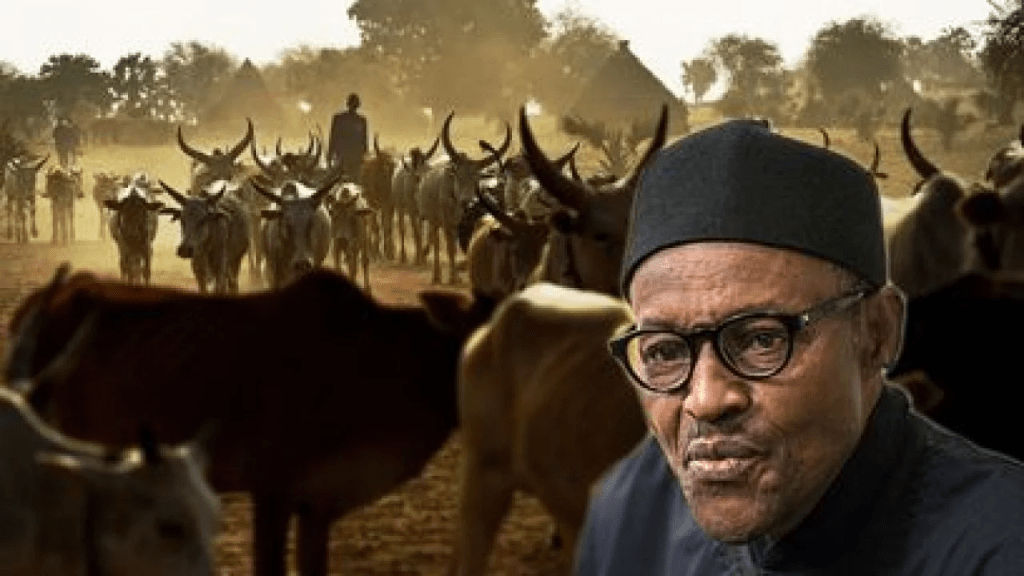
Independent analyses (e.g., International Crisis Group) highlight failures in prosecution, early warning, and livestock management reform. Federal responses like the Buhari administration’s proposed RUGA (Rural Grazing Area) settlements or transhumance corridors faced backlash as perceived favoritism toward herders. Under former President Muhammadu Buhari who was himself a Fulani, perceptions of ambivalence were widespread, with accusations of ethnic solidarity or elite complicity. Some state governors admitted payments to herder leaders and military elements have faced allegations of collusion in specific incidents.
Boko Haram violence has spillover effects, pushing herders southward and intertwining with banditry (criminal Fulani-linked groups in the Northwest). Not all herder violence is ideological terrorism; some of it is resource-driven or outright criminal, but the overlap and impunity amplify ethnic-religious interpretations. Southern and Middle Belt communities often view it as coordinated expansion.
Documented government efforts include military operations against Boko Haram, Agro Rangers, and dialogues. Yet the overall results are poor, violence is spreading, with 2025–2026 reports of incidents in the Southwest (e.g., Oyo, Akure) and Southeast/South-South alongside northern hotspots. Insecurity is undermining governance and elections.
Dr. Obadiah Mailafia’s Exposés and Criticism
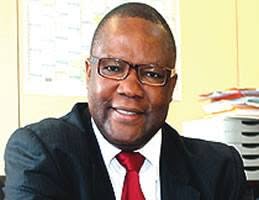
Dr. Obadiah Mailafia, a former Deputy Governor of the Central Bank of Nigeria and public intellectual from the Middle Belt, emerged as a vocal critic. In 2020 interviews, he alleged high-level complicity, claiming that repentant terrorists identified a sitting northern governor as a Boko Haram “commander” and warned of plans to overrun Nigeria through Fulani militias. He linked attacks in Southern Kaduna and beyond to Islamist infiltration and genocide against Christians and indigenous groups.
Mailafia faced intense backlash, summons by security agencies, and accusations of incitement, particularly from northern quarters. He died in September 2021 after reported poor hospital treatment. Supporters viewed his death as suspicious amid his advocacy; official accounts cited natural causes. Although his claims remain unproven in open court as no governor was named publicly or charged, but they resonated with displaced communities and amplified distrust, especially as it has come to light that there are Fulani elements living in many forests and using them for criminal activities.
Mailafia highlighted a pattern: security forces’ alleged selective responses, failure to protect farming communities, and elite tolerance of violence. These echo broader critiques from figures like retired Gen. Theophilus Danjuma, who urged self-defense due to perceived military collusion.
Political Calculations and 2027 Elections
With 2027 polls approaching, critics argue that the ruling elite prioritizes power retention over decisive security action. Insecurity distracts from governance failures (economy, corruption) and fragments opposition. Northern dominance in politics historically benefits from bloc voting, while displacement alters local demographics and voter bases in affected areas.
Sustained crisis allows patronage through security contracts, aid distribution, and emergency powers. Failure to prosecute perpetrators across ethnic lines suggests elite pacts or fear of backlash. Spreading violence to southern zones tests national cohesion and could justify heavy-handed measures or alliances.
Counter-arguments: Nigeria faces structural challenges (porous borders, poverty, ungoverned spaces, climate change, small arms). Successive administrations, including current ones, conduct operations and seek international support. Labeling it outright “complicity” risks oversimplifying a multifaceted failure of governance, capacity, and political will. Ethnic narratives can themselves fuel division.
Pathways Forward: Truth-Seeking Recommendations
Sustainable returns require verifiable security, infrastructure investment, land rights adjudication (to prevent grabbing), and reconciliation processes addressing grievances on all sides. Independent probes into high-level links, transparent prosecution of perpetrators regardless of ethnicity, and livestock reforms (ranching, corridors with consent) are essential. Demilitarizing politics and tackling root the causes, poverty, justice deficits, elite impunity, matter more than short-term electoralism. Nigeria’s unity has been strained. Without accountability and equitable security, cycles of displacement, occupation, and revenge will persist, benefiting neither herders, farmers, nor the state. Citizens deserve more than camps and contested lands; they deserve justice and return with dignity. The Searchlight will continue monitoring for evidence-based accountability.


Leave a comment