By Matthews Otalike, The Searchlight / June 17, 2026
It is tempting and not out of place to call Nigeria’s blessings in natural resources as Nigeria’s resource curse or worse, “paradox of plenty”. How else should one refer to a phenomenon where abundant natural resources, particularly oil and lately solid minerals, correlate with slower economic growth, higher corruption, inequality, conflict, and weaker institutions rather than broad prosperity.
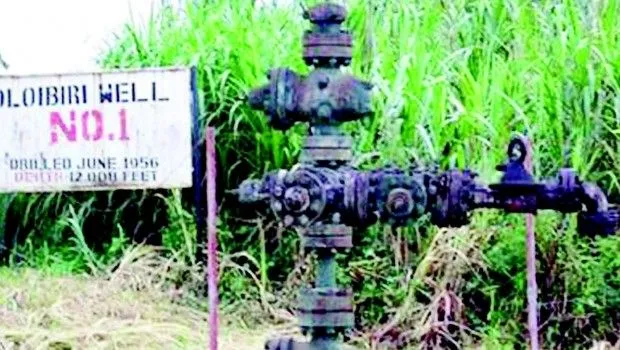
Core Mechanisms of the Curse in Nigeria, is first, that Oil was discovered in commercial quantities in Oloibiri, now Bayelsa State, with production ramping up in the 1970s. It now accounts for roughly 85-90% of exports, 60-70%+ of government revenue, but a paltry 9% of GDP in some estimates. This extreme dependence has over the years, created several interlocking problems.
1. The infamous Dutch Disease and Economic Distortion
Large oil inflows appreciated the real exchange rate (stronger Naira), making non-oil exports such as agriculture and manufacturing, less competitive internationally. Labor and capital shifted to the oil sector or imports, and in the process, crowding out other productive activities.
Agriculture, which employed most Nigerians and contributed over 60% of the GDP before the oil boom, now contributes under 25% despite still employing ~70% of the labor force. Nigeria became a net food importer. The Green Revolution of the second report created awareness on agriculture no doubt but people making more money from oil and related business, shifted attention to that lucrative sector.
Manufacturing has remained stunted. Oil booms lead to neglect of other sectors, however the 2014-2016 oil price crash in the international market, and COVID) caused recessions.
2. Rentier State and Elite Capture / Patronage
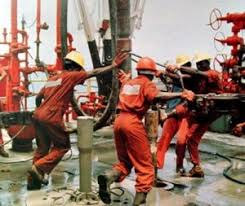
Oil revenues accrue directly to the federal government through the NNPC and joint ventures with International Oil Companies, IOCs) and not through broad taxation. This reduced accountability as the governments did not see the need to tax citizens heavily nor deliver services efficiently. Instead, oil revenues started funding patronage networks, contracts, appointments, subsidies, and “settlements” to maintain political loyalty.
Elites in politics, military, business, and traditional institutions, competed fiercely for control of the “national cake.” This fostered corruption, with massive revenue leakages. Historical examples include the missing $20 billion NNPC saga raised by former CBN Governor Sanusi Lamido Sanusi (~2013-2014) and ongoing issues with tonnes of trillions of Naira in unremitted or diverted funds by the NNPC. Oil theft (“bunkering”), pipeline vandalism, and opaque sales still persist, costing billions annually.
3. Corruption and Institutional Weakness
Nigeria has consistently ranked poorly on Transparency International’s Corruption Perceptions Index (around 25-26/100 in recent years). Opacity in NNPC operations, weak oversight, and political interference enable grand corruption. Resource wealth makes state capture lucrative, weakening checks and balances.
4. Conflict and the Niger Delta
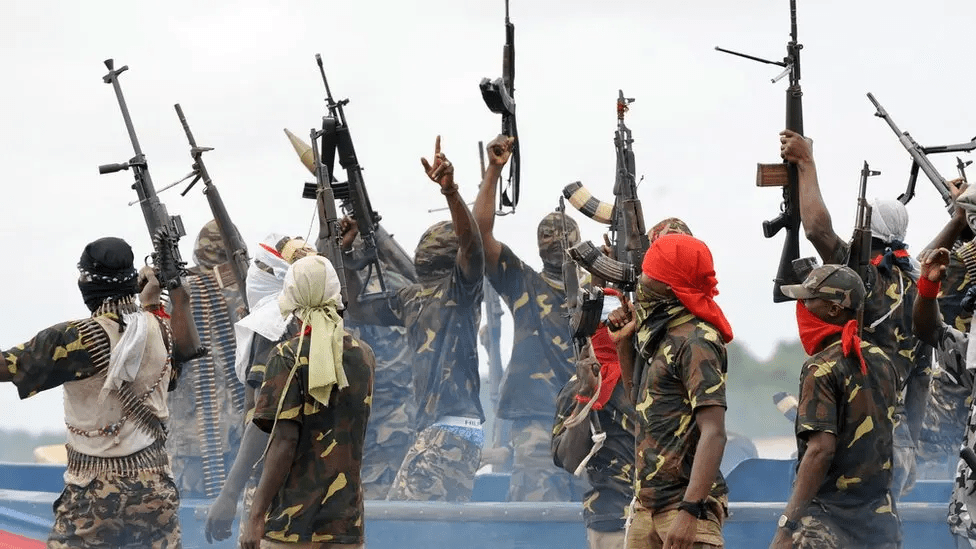
The Niger Delta region bearing most environmental costs in oil spills, gas flaring, degradation destroying fishing and farming sees little benefit. This was what fueled militancy (MEND, etc.) in the 2000s, leading to reduction in oil output. The 2009 Amnesty Programme during the Yar’adua administration bought temporary peace through stipends, training, and payouts to ex-militants but it was militant-centered rather than development-focused. Militancy, oil theft, and unrest have resurfaced periodically.
The broader insecurity (Boko Haram, banditry, land grabbing in the name of herder-farmer clashes, and illegal mining links indirectly. Oil-funded patronage and inequality exacerbate grievances, while diverted security funds hinder responses.
5. Volatility and Fiscal Irresponsibility
Oil price swings have been causing boom-bust cycles. Revenues fund recurrent spending and subsidies (fuel especially) rather than productive investment or savings. Sovereign wealth funds for example are small relative to needs, yet it is necessary; but some greedy and short-sighted governors fought against SWF savings, claiming that present needs are yet to be solved.
Outcomes: Despite hundreds of billions in oil revenue since the 1970s, Nigeria has high poverty with tens of millions in extreme poverty, poor human development indicators, infrastructure deficits, and “jobless” growth. Nigeria’s per capita income lags peers without such resources in some metrics.
Why Has Diversification Failed?
Successive government programmes or policies on agriculture initiatives, solid minerals, services push promoted diversification drives, but results are limited due to:
- Entrenched interests benefiting from oil rents.
- Poor infrastructure (power, roads).
- Insecurity.
- Policy inconsistency and corruption.
- Weak institutions failing to enforce local content or value addition.
The 2021 Petroleum Industry Act (PIA) aimed at commercializing NNPC, better revenue sharing, and transparency, but implementation challenges remain, including opacity and resistance by elite who prefer to remain rich at the expense of the generality of Nigerians.
Is It Inevitable? Comparative Lessons
Not all natural resource-rich countries suffer equally. Norway, Botswana, and, to some extent, Chile used strong institutions, sovereign wealth funds, transparency, and investment in human capital to turn resources into blessings. Nigeria’s weak pre-existing institutions (exacerbated by military rule and civil war legacies) made the curse more severe.
Pathways Forward
Transparency and accountability: Nigeria needs full Nigeria Extractive Industries Transparent Initiative, NEITI compliance, contract disclosure, beneficial ownership, and complete independent audits of the NNPC.
Fiscal rules: Savings funds, revenue stabilization.
Economic reforms: Power sector fixes, infrastructure, ease of doing business, local content with real capacity building.
Security and governance: Address root grievances in producing regions and reduce patronage.
Human capital and diversification: Education, agriculture modernization, manufacturing, technical services (fintech shows promise).
Political incentives: Shift toward taxation and productivity for broader accountability.
The “hidden powers” and cabals discussed in Part One are partly products of this system as the networks are sustained by oil rents. Breaking the curse requires sustained institutional pressure, not just leadership rhetoric. Nigeria has the population, entrepreneurial energy, and other resources including gas, solid minerals, arable land to succeed; but incentives must change from rent-seeking to value creation. Progress is possible but demands confronting the political economy, not just technical fixes.


Leave a comment