By Matthews Otalike, The Searchlight Correspondent / June 16, 2026
There are forces, an invisible “cabal” that runs Nigeria with every President as a puppet. What is existing is a messy, entrenched system of elite networks, patronage, ethnic and regional power blocs, business interests, retired military godfathers, and corrupt incentives that constrain leaders, shape policy (or inaction), and perpetuate insecurity.
This is visible through public statements, historical patterns, and governance failures
Verifying the Leaders’ Statements
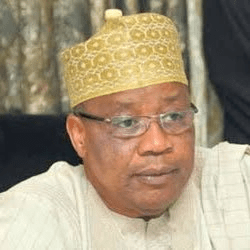
On the 1993 annulment: General Ibrahim Babangida in his recent memoir and interviews, expressed regret for annulling the June 12 election (widely seen as won by MKO Abiola). He described intense military pressure, plots against him (including from Sani Abacha and a Lt-General), and fears of violence or coup if he allowed the result. He portrayed it as navigating factions within the military to avoid bloodbath.
Goodluck Jonathan speaking on Boko Haram in 2012, publicly stated that Boko Haram sympathizers had infiltrated his government, the legislature, the judiciary, the armed forces, and the police. This was amid rising attacks which later comments referenced external actors fueling the insurgency.
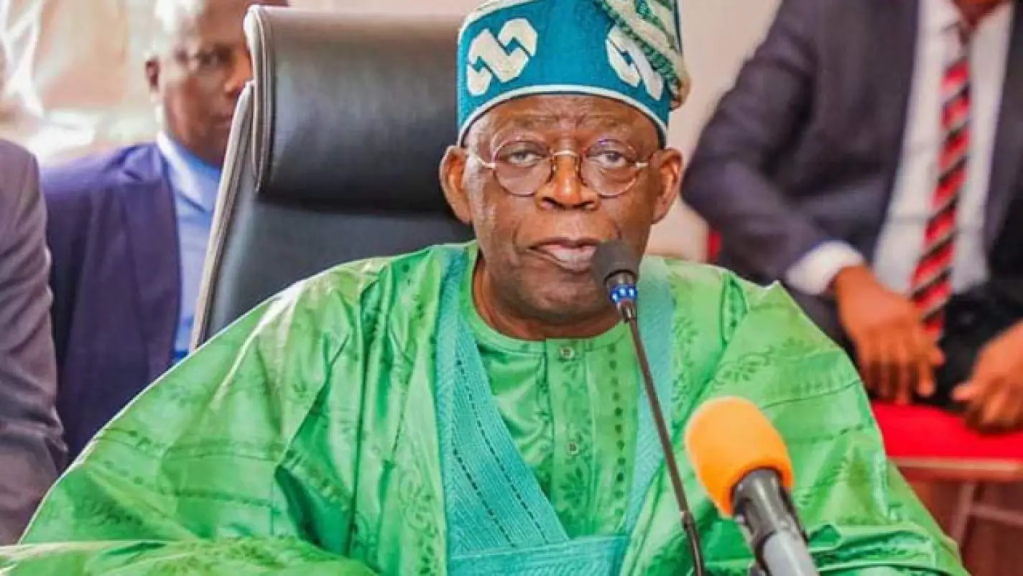
Tinubu on a Northern blueprint was quoted by Hajiya Naja’atu Mohammed (former APC campaign figure) to have said he lacked a concrete plan for Northern insecurity because it would “step on too many toes” and risk assassination. This circulated widely in 2023 and Tinubu’s administration has faced criticism for security handling.
These reflect real constraints as leaders acknowledge limits on their power due to entrenched interests. The Real Power Dynamics (“Invisible Forces”) which Nigerian politics features are fused elites; military, political, business, traditional/religious, and regional, sustained by oil rents, godfatherism, and weak institutions.
The Key elements are:
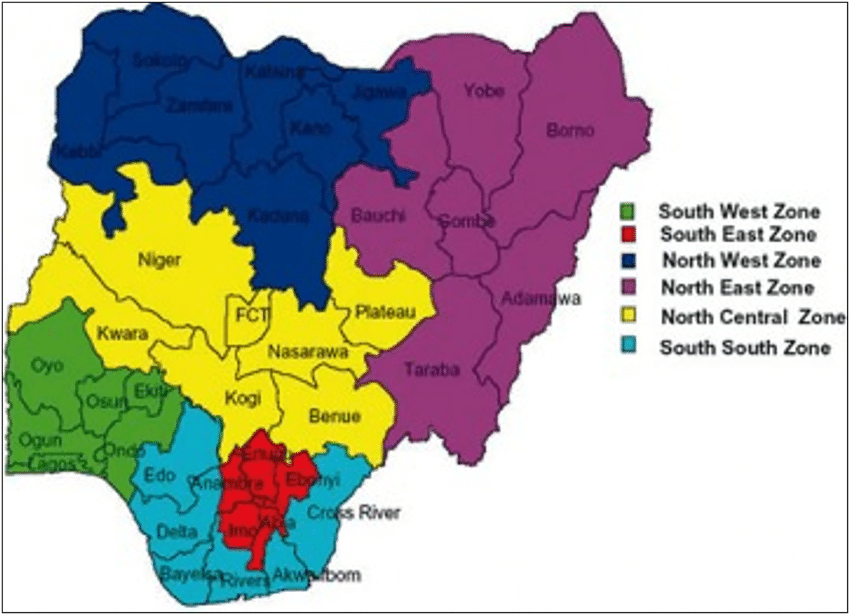
Northern Political/Military Establishment: Historically dominant post-independence due to population, early military coups (many Northern-led), and federal character. The key figures are retired generals (e.g., IBB, Abdulsalami Abubakar circles), and Northern elders and godfathers who influence appointments, zoning (“power shift”), and veto sensitive policies. The Jonathan presidency disrupted the North-South rotation understanding, heightening tensions but the Northern military concentration including academies, etc. and elite networks persist.
Godfathers and Political Brokers: Across the regions, “godfathers” (e.g., figures like Lamidi Adedibu historically in the Southwest with Northern and Southeastern equivalents, finance, rig, and control politicians. They deliver votes through patronage, thugs, and networks in exchange for contracts, immunity, and influence. As a result, the leaders become dependent, giving rise to the common phrase “godfather”.
Military and Security Networks: The military has ruled directly for decades and remains influential. Serving officers face political pressures, demands for ethnic balancing, and alleged corruption (e.g., arms procurement scandals). Claims of hesitation against certain threats such as Boko Haram factions, banditry, and violent herdsmen is often tied to infiltration, elite complicity, or fear of backlash. Retired generals still hold sway in politics and business in Nigeria.
Business and Resource Interests: Oil, mining, cattle, and land are the incentives are means through which elites benefit from instability (e.g., grabbing resources in conflict zones). There are allegations which link some insecurity to elite sponsorship for land access, mining, or political leverage. Corruption has continued to divert security funds.
Ethnic/Religious and Regional Blocs: Fulani herdsmen-farmer clashes which have resulted in the death of thousands of Nigerians blend climate and land pressures, criminality, and ethnic mobilization. Some attacks involve bandits or disguised militants and elites on all sides have been accused of arming or tolerating groups for gain. The Boko Haram/ISWAP has ideological drivers with local ties. Religion has been used to amplify the divide between Muslims and Christians in the North and majority Christians in the Middle Belt/South.
“Cabals” Around Presidents: Every administration has an inner circle (kitchen cabinet) accused of gatekeeping; during the Buhari administration for example, it was called the “Daura cabal”. During Jonathan, and now Tinubu, there are usually loyalists, family allies, or powerful backers protecting interests.
Why Military Chiefs “Look Over Their Shoulders”
Military chiefs reportedly know what to do to curb insecurity but they have to constantly look over their shoulders. There are incentives in the process: Promotions, budgets, and post-retirement prospects depend on political loyalty. So corruption erodes capacity.
Infiltration and Complicity: President Jonathan admitted it while others imply similar admission. Local intelligence failures, community collusion with criminals, and elite protection of proxies hinder decisive action.
Structural Issues: Federal control of security limits state responses. Porous borders, arms trafficking, poverty, and ungoverned spaces fuel terrorism/banditry. Climate change and population pressure are also known to worsen farmer-herder conflicts.
Is this undiluted Truth Knowable to Nigerians? It is known through patterns, leaks, investigations, and data, but the list of those people is elusive because the network is decentralized, not a central body of persons. It emerges from weak rule of law, what one may refer to as resource curse (oil and other natural mineral resources, ethnic federalism, and elite consensus on power-sharing to avoid chaos.
What can weaken those networks is transparency reforms through audits, procurement, judicial independence, stronger institutions, diversified economy, and security sector overhaul. Public pressure and voting matter, but cynicism and poverty which has already been weaponized in Nigeria, enable manipulation. Leaders like Babangida, Jonathan, and Tinubu signal limits to what they can do because challenging core elite interests risks instability or removal. Nigeria’s challenges are deep but solvable with sustained pressure for accountability, not conspiracy thinking. The “hidden powers” are often hiding in plain sight, the incentives of the system itself.


Leave a comment