By The Searchlight Editorial Team / June 9, 2026
Nigeria’s Northeast has endured over a decade and a half of unrelenting terror from Boko Haram and its splinter groups, such as the Islamic State West Africa Province (ISWAP). What began as a localized insurgency against “Western education” and the Nigerian state has systematically targeted Christian communities, with tactics including mass abductions, forced conversions, sexual slavery, and village razing.
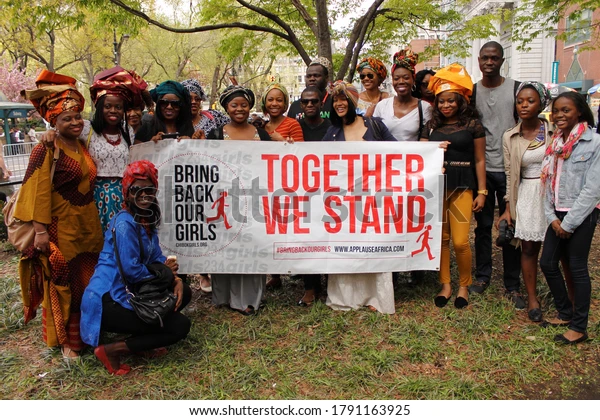
The 2014 Chibok kidnapping stands as a grim emblem of this campaign, while the ongoing captivity of Leah Sharibu and the spread of jihadist activity signal a broader pattern that many describe as an incremental Islamization of the country. Claims of a “conspiracy theory” falter against the documented ideology, actions, and geographic expansion of these groups.
Chibok 2014: Targeted Abduction and Systematic Conversion
On the night of April 14–15, 2014, Boko Haram militants stormed the Government Girls Secondary School in Chibok, Borno State, abducting 276 schoolgirls, the overwhelming majority of whom were Christians from a predominantly Christian area. Some Muslim girls were also taken, but reports consistently highlight the Christian majority. Boko Haram leader Abubakar Shekau declared the girls “slaves” and boasted of their forced marriages to fighters. Many were subjected to forced conversion to Islam, starvation, and sexual violence.
Dozens escaped initially. Over the years, negotiations (often involving ransoms) and rescues secured the release of more than 100 others. Released girls reported forced conversions and marriages. As of 2024–2026, around 82 remain missing or in captivity. Christian advocacy groups and eyewitness accounts indicate that many who returned had been pressured into Islam during captivity.
Leah Sharibu: A Symbol of Unyielding Faith
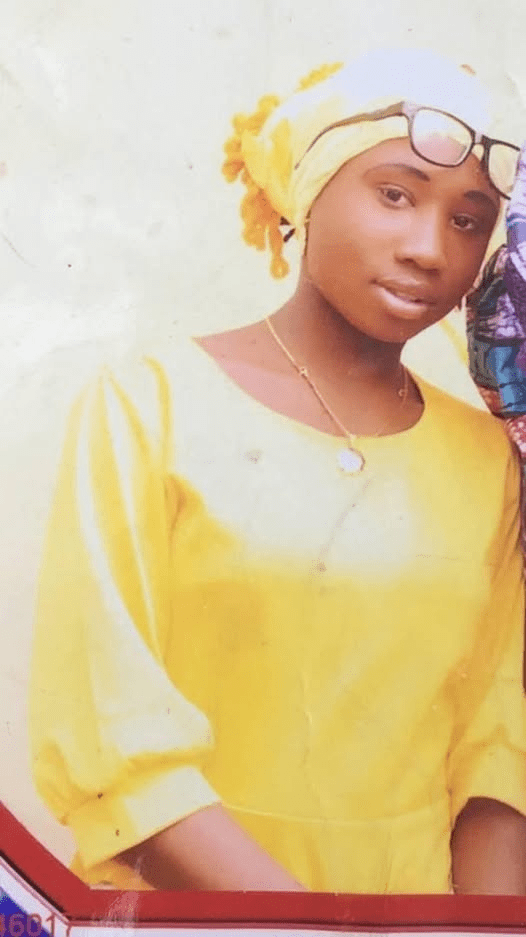
Leah Sharibu, abducted in 2018 from Dapchi, Yobe State, in another school attack, embodies the refusal to submit. While many other girls (often Muslim) were released, Leah, a Christian, remained because she rejected conversion. As of 2026, she is still held, reportedly enduring forced marriage and childbirths in captivity, according to accounts from escaped or released captives and her family’s advocates. Her case is no anomaly; Boko Haram and ISWAP have repeatedly offered release conditional on conversion, executing or enslaving refusers. This mirrors historical jihadist practices of treating non-Muslims as legitimate targets for subjugation or elimination under their interpretation of Islamic doctrine.
Released Captives and Patterns of Forced Islamization
Reports on released Chibok and other captives frequently note prior forced conversions to Islam, followed by marriages to militants. Human Rights Watch and Open Doors documentation detail targeting of Christians for abduction precisely because of their faith and attendance at “Western” schools. In captivity, Quranic indoctrination, flogging for non-compliance, and use of Chibok girls to enforce ideology on others were reported. While some may have been genuinely radicalized, the coercion is undeniable. Nigeria’s Christian population, estimated at over 100 million, faces disproportionate violence in the north and Middle Belt.
Broader Jihadist Expansion: From Northeast to Nationwide Threat
Boko Haram/ISWAP remain concentrated in the Northeast, responsible for thousands of deaths, church burning, and displacement. However, jihadist and affiliated violence has metastasized. In the North Central (Middle Belt), Fulani herdsmen, often radicalized elements, have conducted repeated attacks on predominantly Christian farming communities, destroying villages, churches, and livelihoods. While farmer-herder clashes have ethnic and resource dimensions (land, grazing), numerous reports document targeting of Christian sites, clergy, and populations, with rhetoric invoking jihad.
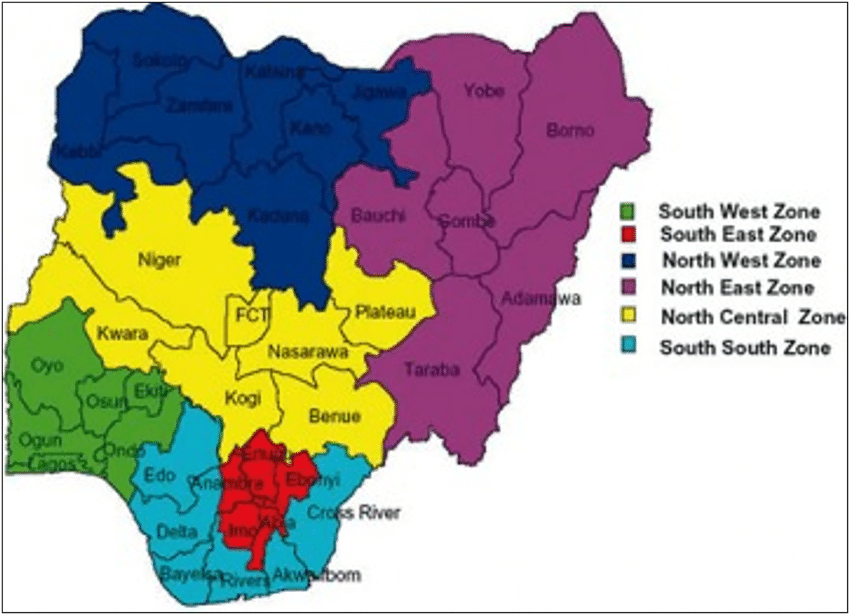
Violence has reached the Northwest (banditry with jihadist overlays, e.g., Lakurawa), and incursions appear in the South (e.g., Kwara, Niger states) and even threats toward the Southeast and Southwest. Groups like Ansaru (Al-Qaeda linked) and others exploit ungoverned spaces. Open Doors ranks Nigeria #7 on the 2026 World Watch List for Christian persecution, noting it as the deadliest place globally for Christians in terms of violence, with thousands killed annually, mostly by Islamist militants and Fulani radicals.
Statistics vary by source due to underreporting and definitional debates. Advocacy groups like Inter-Society and Global Christian Relief cite tens of thousands of Christian deaths since 2009, alongside thousands of churches destroyed. Official and some academic sources note that Muslims also suffer from banditry and intra-group violence, arguing against a pure “genocide” framing. Yet the ideological targeting, churches burned, Christians beheaded or forced to convert, “infidel” villages razed, is unmistakable in jihadist strongholds.
Islamization: Ideology, Not Mere Conspiracy
Boko Haram’s name (“Western education is sin”) and goals, overthrowing the secular state for a caliphate, explicitly reject Nigeria’s pluralistic framework. Their Salafi-jihadist ideology views Christians (and insufficiently Islamic Muslims) as enemies. Sharia implementation in 12 northern states already marginalizes Christians as second-class citizens in parts of the country.
Dismissing “Islamization” as conspiracy ignores:
– Explicit statements from militants.
– Patterns of church attacks, school abductions, and demographic pressure in vulnerable areas.
– Expansion into forests and southern fringes, exploiting weak governance.
Leah Sharibu’s unseen suffering, the Chibok girls still missing, and the daily terror in Christian villages are not abstract. They reflect a jihadist project that seeks dominance through violence where persuasion fails. Nigeria’s survival as a multi-religious democracy demands honest acknowledgment of this threat, robust security, protection of minorities, and rejection of both Islamist extremism and any reciprocal vigilantism. International pressure, better intelligence, and addressing root causes like ungoverned spaces are essential.
The forests of Nigeria are filling with jihadists not by accident, but by design. Ignoring the religious dimension to appease narratives of “complexity” only perpetuates the tragedy. Truth-seeking demands facing it head-on, no holds barred. The world watched Chibok; it must not forget the ongoing war on Nigeria’s Christians.


Leave a comment