By The Searchlight Editorial Team / June 8, 2026
The numbers do not lie, even as the Tinubu administration’s defenders spin technicalities. While trillions are announced for “defence and security,” the critical capital releases for frontline equipment, maintenance, and operations tell a story of deliberate skewing: luxury for the presidency, starvation for the forces safeguarding Nigerian lives. This is not inefficiency; it is a pattern of misplaced priorities that exposes governance failure and potential elite capture.
The Presidential Fleet: Near-Perfect Funding for Opulence
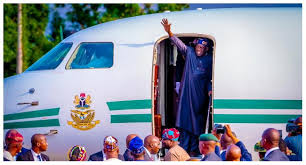
In the 2025 budget, the Presidential Air Fleet was allocated approximately ₦20.74 billion, with ₦20.27 billion actually released by year-end, achieving a staggering 97.76% implementation rate. Additional disbursements continued: at least ₦4.24 billion released between June and December 2025 alone, funneled through the Presidential Air Fleet naira transit account in multiple tranches (e.g., heavy July releases exceeding ₦2.4 billion in one week). The overall 2025 allocation for the fleet reportedly reached around ₦55.5 billion in some breakdowns, including maintenance and related costs.
This funding ensures seamless operations, fuel, overhauls, crew, and forex, for the elite transport network. Defenders argue it is “recurrent” spending, unlike military capital projects. Yet in a resource-constrained environment, near-100% release for presidential comfort while security suffers is a political and moral choice.
Armed Forces: Trillions Announced, Pennies for the Frontline
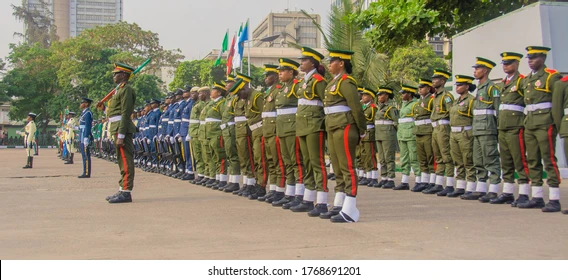
Nigeria’s 2025 security and defence sector received a headline ₦6.57 trillion (with Defence Ministry alone at ₦3.10 trillion), part of escalating allocations amid worsening insecurity. However, Open Treasury Portal data reveals abysmal performance on actual releases for equipment and operations:
– Nigerian Army Security Equipment: Budgeted ₦20.56 billion; released only ₦1.46 billion (7.11%). Broader Army security/defence equipment purchases saw even lower rates in some categories (e.g., ~4.96% for certain equipment lines). Overall Army expenditure: ~25.94% of proposed totals released.
– Nigerian Air Force (NAF) Aircraft Maintenance: Budgeted ₦34.71 billion, released ₦4.85 billion (13.98%). NAF security equipment: ₦15.75 billion budgeted, ₦5.25 billion released (33.33). Overall NAF: ~19% of totals.
– Broader Defence Equipment: Massive shortfalls, with overall capital releases for procurement and repairs often in single digits for key items. No releases reported for critical logistics like transport equipment fuel or certain barracks in some accounts.
The Office of the National Security Adviser (ONSA) has itself complained of irregular overhead releases, non-implementation of 2025 capital appropriations, and challenges maintaining the presidential fleet abroad due to costs.
Critical Analysis: What These Disparities Reveal
1. Recurrent vs. Capital Sophistry: The regime’s excuse that fleet funding is recurrent (day-to-day ops) while military needs are capital (long-term assets) ignores reality. Recurrent spending already dominates Nigerian budgets. Prioritizing elite mobility over troop readiness in a war against bandits, terrorists, and insurgents is indefensible. Soldiers face ammunition shortages, outdated gear, and grounded aircraft while presidential jets are overhauled promptly.
2. Opacity and Leakage Risks: Large headline defence budgets (rising to trillions) with poor capital implementation scream classic Nigerian governance ills — ghost projects, inflated contracts, and diversion. Funds “not released” do not vanish; they often fuel patronage elsewhere. Historical patterns of defence budget corruption persist unabated.
3. Impact on Insecurity: Low equipment releases correlate with persistent failures — resurgent Boko Haram/ISWAP, banditry surges, mass abductions, and farmer displacements. Billions announced yield minimal battlefield gains. This is not just underfunding; it borders on dereliction when contrasted with presidential priorities.
4. Broader Context: Personnel costs devour much of the defence envelope (often 60%+), leaving little for modernization. Yet even within that, choices favor Aso Rock. The administration’s “70% security performance” claims clash violently with ground realities and these disbursement figures.
The Searchlight Verdict
This is budget manipulation by another name, a betrayal of the social contract. The Tinubu government has chosen to insulate the presidency in luxury while exposing soldiers and citizens to lethal vulnerabilities. Nigerians dying in their fields, schools, and highways deserve better than excuses about budgeting categories.
The National Assembly must launch independent audits of these releases. Civil society and investigative journalists should track every kobo via the Open Treasury Portal. Until capital releases for security equipment match the rhetoric — and presidential bloat is slashed — the administration stands accused of prioritizing power’s pomp over the people’s protection.
The blood on the ground demands answers. The Searchlight will keep shining the beam. No more excuses. No more elite exemptions. Nigeria first — or step aside.


Leave a comment