The Tinubu Administration’s Intolerance for Criticism: Errand Boys, Detentions, and the VeryDarkMan Saga
By The Searchlight Editorial Desk / June 4, 226
In any democracy worthy of the name, robust criticism is the lifeblood of accountability. Yet under President Bola Ahmed Tinubu’s administration, a pattern has emerged that raises profound questions about tolerance for dissent, the use of state institutions, and shadowy actors who issue threats on behalf of power. Why does the government appear quick to deploy security agencies against vocal critics while seemingly slow to address existential challenges like insecurity? Who are the “errand persons” issuing death threats? And what does the recent controversy involving activist Martins Vincent Otse (VeryDarkMan VDM) reveal about the machinery behind attempts to silence opposition?
The Allergy to Criticism: Performance Anxiety or Power Consolidation?
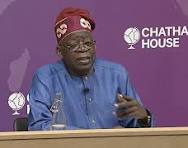
President Tinubu assumed office promising “Renewed Hope.” However, his tenure has been marked by harsh economic realities, fuel subsidy removal, naira volatility, and rising costs of living, that have fueled widespread discontent. If the administration’s policies are delivering as claimed, one would expect confidence in open debate. Instead, there is hypersensitivity.
Critics argue that this stems from legitimacy questions surrounding the 2023 election, ongoing governance challenges, and a political culture where opposition is framed as sabotage. When leaders feel vulnerable, criticism is not seen as constructive feedback but as an existential threat. This is not unique to Tinubu. Nigerian governments across regimes have shown similar tendencies, but the speed and tools deployed today (social media monitoring, rapid agency response) are notable in the digital age.
Tinubu himself was a vocal opposition figure, frequently criticizing previous administrations. The irony is not lost on Nigerians: the defender of free speech in opposition now presides over a system where critics face harassment.
Errand Persons and Death Threats: Who Are They?
Reports and public discourse frequently mention “Tinubu’s boys,” online attack dogs, and unnamed loyalists who respond to criticism with vitriol, including death threats. Figures like Daniel Bwala (a prominent defender) have been accused in public exchanges of ties to aggressive defense tactics, though direct evidence of orchestration from the top remains circumstantial.
These actors often operate on social media, amplifying pro-government narratives and intimidating dissenters. Some appear as genuine believers in the administration’s vision; others seem motivated by patronage, contracts, or access to power. The president’s inner circle, political appointees, media handlers, and informal networks, bears responsibility for creating an enabling environment. When criticism of policy is met with personal attacks or threats rather than substantive rebuttal, it suggests insecurity rather than strength. A confident administration would engage ideas, not demonize critics.
Quick Detentions Without Court: Abuse of State Institutions?
Nigerian security agencies like the DSS and EFCC have a history of being weaponized across administrations. Under Tinubu, critics, activists, and even political figures (e.g., past cases involving El-Rufai or others) have faced swift pickups, prolonged detention, and delayed court processes.
This violates constitutional rights to fair hearing and bail. Reasons often cited include “investigation” into cybercrime, defamation, or incitement, broad categories ripe for abuse. The pattern suggests selective enforcement: vocal government opponents face the hammer, while broader societal issues like banditry or corruption in high places receive slower responses. Amnesty International and others have documented arbitrary arrests during protests. Such tactics erode public trust. They project an image of a government more focused on controlling the narrative than fixing problems. If policies are working, why fear scrutiny?
The VeryDarkMan Case: Doctored Audio, Arrest Threats, and Questions of Orchestration.

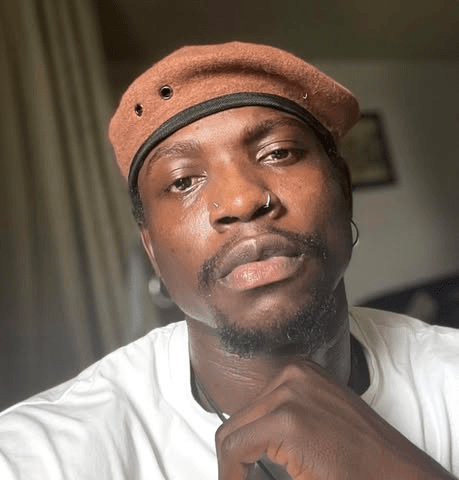
The recent VDM episode is instructive. VDM, a controversial social media activist known for confronting corruption and holding officials accountable, became a target after a video involving an alleged Tinubu audio. The Presidency, through Bayo Onanuga, called for legal action against him for disseminating a “fake audio” where a simulated Tinubu voice made damaging remarks on insecurity, elections, and politics.
Fact-checks later revealed the audio was AI-generated and doctored, edited into an older VDM video by unknown parties. VDM did not originally post or share the fake clip on his verified platforms. His lawyers highlighted the Presidency’s failure to verify before accusing him.
Key questions remain unanswered:
– Who created and inserted the doctored audio? Was it a genuine critic, or a provocateur aiming to manufacture a crisis and justify crackdowns?
– Why the rush to target VDM specifically, rather than pursuing the actual fabricators?
– Reports of warnings to VDM not to return to Nigeria, combined with threats of arrest, fit a pattern of using high-profile cases to deter others.
This incident reeks of possible entrapment or opportunistic overreach. If the goal was to intimidate a prominent critic, it backfired by amplifying VDM’s voice and exposing gaps in the Presidency’s fact-checking. Behind such moves likely sit overzealous aides, intelligence operatives, or aligned influencers seeking favor.
Broader Implications: Democracy Under Strain
A government that thrives on threats, whether from errand boys or state agents, signals weakness, not dominance. Effective leadership withstands scrutiny; it does not suppress it. Tinubu’s administration faces legitimate questions on security, economy, and appointments. Resorting to intimidation risks alienating the youth and middle class, who are increasingly online and vocal.
True renewal requires:
– Protecting free speech while prosecuting actual crimes (defamation, incitement) through transparent courts.
– Reining in rogue loyalists issuing threats.
– Focusing agencies on real threats like banditry and kidnapping, not social media critics.
– Transparent investigations into doctored content and misinformation, applied evenly.
Nigerians deserve better than a cycle of criticism, threats, detention, and counter-accusations. The Searchlight calls on the Tinubu administration to demonstrate confidence in its record by engaging critics openly, not through proxies or agencies. Democracy is not a privilege for those in power; it is the right of the people to question them. Failure to uphold this invites deeper disillusionment and instability.


Leave a comment