By The Searchlight Editorial Desk / June 4, 2026

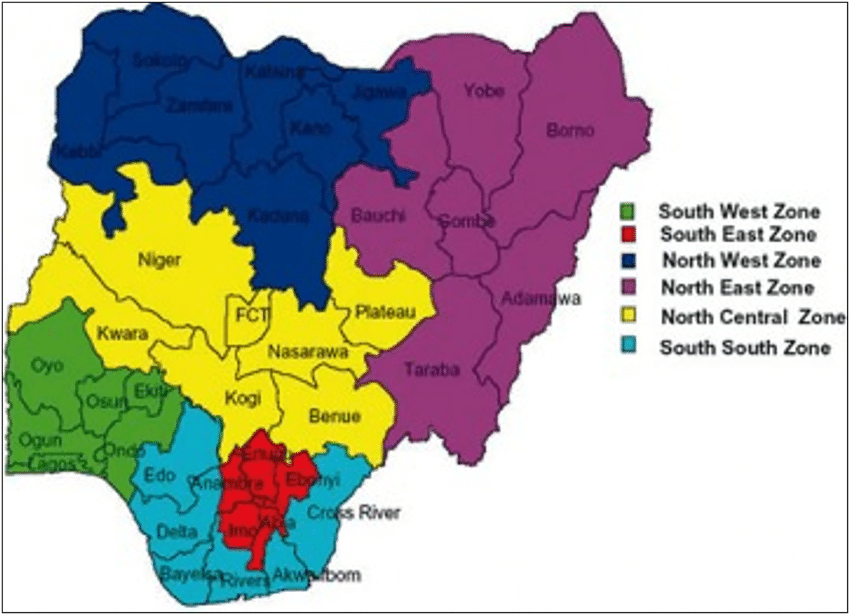
Since President Bola Ahmed Tinubu assumed office in May 2023, Nigeria’s security landscape has deteriorated markedly. Data from multiple independent sources, including ACLED, Amnesty International, and local monitors, paint a grim picture: thousands killed, tens of thousands kidnapped, and criminal networks operating with shocking audacity. Bandits and kidnappers now produce propaganda videos torturing victims, brandishing weapons, and openly taunting state authority. The spread to the Southwest, exemplified by the May 2025 abduction of 39 schoolchildren and 7 teachers in Oyo State’s Oriire LGA (with victims still largely in captivity as of early June 2026, one teacher reportedly beheaded), signals a dangerous nationalization of a problem once concentrated in the North.
The Scale of the Crisis

Reliable tallies vary by methodology, but the trend is unmistakable. Estimates since May 2023 indicate 7,000 to over15,000 deaths and 7,500–12,000+ abductions linked to banditry, terrorism, and communal violence. Amnesty International documented over 10,000 killings in northern and central states in the first two years alone. Kidnapping for ransom has become an industry, with reports of billions in payments. Mass school abductions have resurged, disrupting education and instilling nationwide fear. One had thought that the outrage in the wake of the kidnap of school children in Niger state would end the irresponsible acts.
Bandits operate brazenly: recording videos of abuse, issuing threats, and exploiting ungoverned forest spaces. Social media circulates claims of military collusion at checkpoints, soldiers allegedly turning a blind eye or worse in exchange for payments. The Nigerian Army has repeatedly denied systemic connivance, pointing to operations that neutralized commanders and rescued victims. However, persistent local testimonies from Katsina, Zamfara, and elsewhere demand transparent investigation rather than blanket dismissal. Corruption within security forces, if unaddressed, erodes operational effectiveness.
Why the Hesitation to “Flush Out” Bandits?
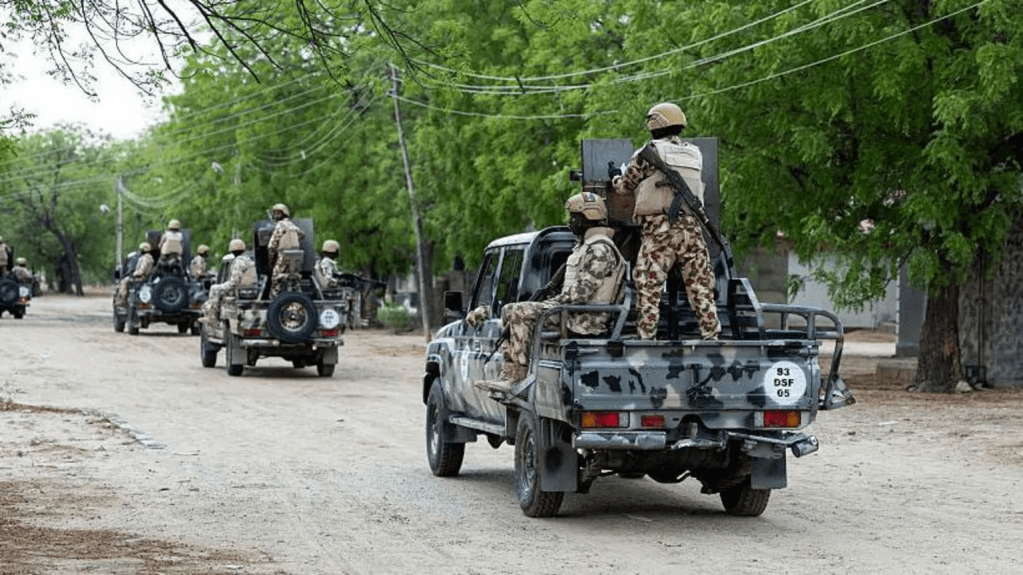
The Tinubu administration has launched initiatives: forest guards (thousands allegedly recruited and deployed), airstrikes, technology pledges, state police support, and vows to reclaim forests. Operations like “Forest Sanity” claim successes in neutralizing high-value targets. Yet results on the ground remain disappointing. Forests in the Northwest and now encroaching southward remain bandit sanctuaries. The Oyo victims linger in captivity weeks later despite federal promises and protests.
Explanations include:
– Structural Challenges: Vast ungoverned spaces, porous borders, sophisticated criminal logistics, and overstretched forces.
– Governance Gaps: Economic hardship from reforms fuels recruitment into crime. Corruption diverts resources. Intelligence-sharing and coordination between federal, state, and local actors falter.
– Policy Choices: Emphasis on non-kinetic approaches (dialogue, development) alongside kinetic ones can appear weak when bandits interpret restraint as vulnerability. The “no ransom” policy is principled but ineffective without credible rescue capacity.
The administration’s defenders highlight inherited problems and partial gains (e.g., some reductions in certain kidnapping metrics in 2024 per SBM Intelligence). Critics counter that three years is sufficient time to demonstrate decisive improvement, especially given campaign promises. The perception of inertia, citizens protesting economic woes or insecurity met with arrests, fuels alienation.
Conspiracy Theories: Herdsmen Agreements and CIA Plots?
Speculation abounds: secret pacts with “killer herdsmen” to deliver 2027 votes, or a grand CIA plan positioning Tinubu as America’s “person of interest.” These claims lack credible public evidence and veer into the realm of convenient scapegoating. Nigeria’s insecurity predates Tinubu, rooted in decades of weak institutions, poverty, youth unemployment, elite complicity in small arms proliferation, and governance failures across multiple administrations. Foreign interests (including intelligence ties) exist in every major nation, but attributing banditry primarily to a U.S. plot stretches credulity without forensic proof. Such narratives risk distracting from domestic accountability.
That said, political manipulation of insecurity for electoral gain is not unknown in Nigerian history. Any credible links between politicians and bandit sponsors must be rigorously probed by independent bodies, not dismissed or weaponized.
The Path Forward: Substance Over Optics
A confident government confronts failure head-on. Tinubu’s team must move beyond rhetoric:
– Decisive Forest Operations: Sustained, intelligence-driven clearance with strict rules of engagement and civilian protection.
– Transparency and Accountability: Public audits of security spending, investigations into collusion allegations, and swift prosecution of corrupt elements.
– Holistic Strategy: Address root causes,poverty, education, justice reform, while strengthening community intelligence and state-level policing.
– Protect Dissent: Channel public frustration into solutions, not suppression.
Nigerians elected Tinubu on a platform of renewal. The social contract demands results on security, the most basic public good. Brazen criminals thrive when the state projects hesitation. The Searchlight urges the administration to demonstrate urgency commensurate with the crisis. Empty forests and safe schools are not optional, they are the test of governance. Failure here risks deeper state fragility. The people are watching.


Leave a comment