By The Searchlight Editorial Desk / June 4, 2026

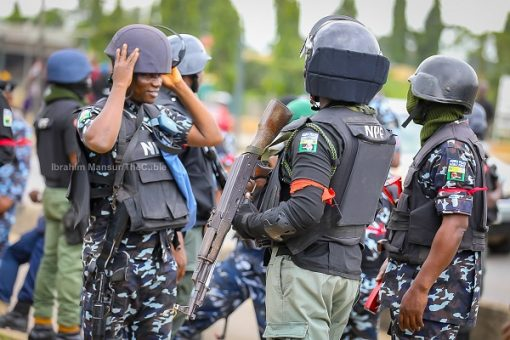
Allegations of corruption and collusion at security checkpoints, particularly involving the Nigerian Army and other forces, are longstanding and persistent. They gained renewed traction amid worsening banditry and the spread of kidnappings to the Southwest, including the May 2025 Oyo school abductions. These claims suggest soldiers sometimes turn a blind eye, demand bribes, or actively aid criminals in exchange for payments, undermining counter-insurgency efforts.
Nature and Evidence of Allegations
Common Patterns:
– Bribery and Extortion: Motorists, especially commercial drivers, routinely report demands for “tolls” or bribes at checkpoints. Amounts range from small tokens (e.g., N100) to larger sums for trucks. This is documented across police, army, civil defense, and customs. Studies and eyewitness accounts describe it as normalized on major highways.
– Collusion with Bandits: Residents in Northwest states (Katsina, Zamfara, etc.) allege soldiers sell ammunition, allow passage for ransom deliveries, or leak operational details. Videos and local reports claim bandits operate freely near checkpoints. In Katsina, a 2025 investigative report led to court-martial proceedings against implicated personnel for selling ammunition.
– Disguise and Facilitation: During the Oyo abductions, some eyewitnesses claimed attackers wore military-style uniforms, raising questions about infiltration or complicity (though this could also indicate stolen gear).
Broader Context:
– Systemic defence corruption: High defence budgets (₦5.41 trillion in 2026) contrast with poor outcomes, including base overruns and equipment shortages. Reports highlight embezzlement, ghost units, and procurement scandals.
– Think tanks like SBM Intelligence and Transparency International note corruption as a key driver of insecurity, eroding morale and operational effectiveness.
Social media amplifies these claims, with videos of extortion and resident testimonies circulating widely.
Official Responses and Actions
The Nigerian Army consistently denies systemic collusion:
– Isolated incidents are acknowledged and punished. In the Katsina case, a soldier faced court-martial, and a civilian accomplice was referred to DSS.
– Warnings issued against unprofessional conduct at checkpoints (e.g., 2023 statements from divisions).
– Operations like forest clearances and neutralizations are cited as evidence of commitment, with claims that most soldiers perform honorably under difficult conditions.
Critics argue that responses are reactive and insufficient, with low transparency on prosecutions and persistent patterns suggesting deeper rot.
Critical Analysis
Why Persistent?
– Economic Pressures: Low pay, poor welfare, and delayed allowances push junior ranks toward survival corruption. Senior-level procurement graft diverts resources.
– Structural Issues: Porous borders, vast ungoverned forests, and coordination failures between agencies enable criminals, while overstretched forces manning numerous checkpoints strain resources.
– Incentives: Banditry is lucrative (ransom economy). Collusion allegations fit a pattern where some elements profit from chaos.
– Evidence Gaps: Many claims are anecdotal or unverified, risking exaggeration. However, repeated independent reports (Amnesty, ICPC, journalists) and internal military actions confirm real problems. Not every checkpoint is corrupt, but enough are to damage credibility.
Link to Broader Insecurity:
These issues exacerbate bandit boldness. If checkpoints are permeable, forests remain safe havens, and rescues lag (as in Oyo). Corruption undermines public trust, deters intelligence sharing, and fuels conspiracy theories about political protection of certain groups.
Counterpoints:
Banditry predates Tinubu and stems from deeper failures (poverty, arms proliferation, governance). Many soldiers risk their lives daily. Blanket accusations risk demoralizing forces. Foreign or political plots lack hard evidence compared to domestic corruption drivers.
Recommendations for Reform
– Transparency: Publish regular audits of checkpoint operations and prosecution statistics.
– Welfare and Tech: Improve soldier pay/logistics; deploy more cameras, body cams, and intelligence tech at checkpoints.
– Accountability: Independent oversight (e.g., expanded ICPC/EFCC roles) and community reporting mechanisms with protection.
– Holistic Approach: Reduce checkpoint density where possible; empower state policing and community vigilance while maintaining standards.
Checkpoint corruption is a symptom of deeper institutional weaknesses rather than the sole cause of insecurity. Addressing it requires political will beyond denials, sustained reform, not just kinetic operations. Without it, public frustration will grow, further straining the social contract. This remains a critical vulnerability in Nigeria’s security architecture.


Leave a comment