By Our Investigative Desk, The Searchlight / June 2, 2026
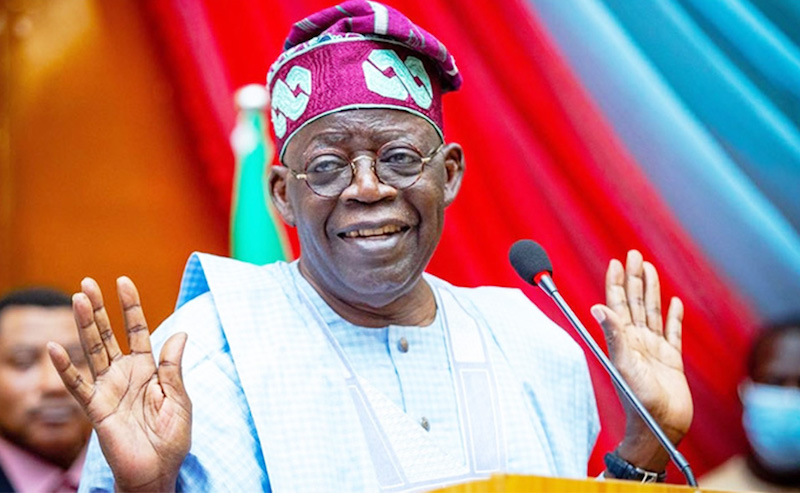
A landmark ruling by a United States federal court has ordered the release of decades-old investigative files on President Bola Ahmed Tinubu, raising pressing questions about transparency, executive power, and the lengths to which a sitting president will go to shield his past from public scrutiny.
The order, issued on April 8, 2025, by Judge Beryl Howell of the U.S. District Court for the District of Columbia, compels the Federal Bureau of Investigation (FBI) and the Drug Enforcement Administration (DEA) to search for and process records related to their investigation of President Tinubu’s alleged involvement in a Chicago-area heroin trafficking and money laundering ring from the early 1990s.
But why is the Nigerian president fighting to keep these documents hidden? Why have U.S. agencies resisted their release for years? And what relationship, if any, exists between Tinubu and the American system that might explain this prolonged secrecy?
The Court’s Rebuke: “Neither Logical nor Plausible”
The ruling stems from Freedom of Information Act (FOIA) requests filed between 2022 and 2023 by American transparency activist Aaron Greenspan, founder of the legal platform PlainSite. Greenspan sought records from six federal agencies, including the FBI, DEA, CIA, IRS, State Department, and the Executive Office of U.S. Attorneys, regarding a drug trafficking investigation in Chicago that reportedly involved Tinubu and three associates: Lee Andrew Edwards, Mueez Adegboyega Akande (Tinubu’s late associate), and Abiodun Agbele.
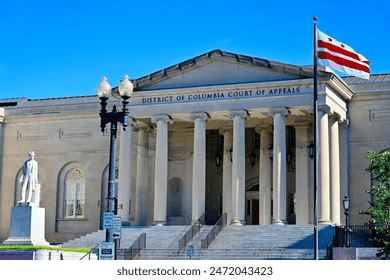
Until this ruling, the FBI and DEA had issued what are known as “Glomar responses”, a legal maneuver that allows agencies to neither confirm nor deny the existence of records. This tactic, often used in national security or privacy cases, effectively blocks transparency by refusing to acknowledge whether any documents exist at all.
Judge Howell dismantled this defense. In a blistering judgment, she ruled that the Glomar responses were “improper” and ordered them lifted, stating that the agencies had already officially confirmed investigations into Tinubu related to the drug trafficking ring.
The court found that “any privacy interests implicated by the FOIA requests to the FBI and DEA for records about Tinubu are overcome by the public interest in release of such information”. Crucially, the judge noted that the FBI and DEA “failed to meet their burden to sustain their Glomar responses” and provided no evidence that a legitimate privacy interest existed in keeping secret the fact that Tinubu was a subject of criminal investigation .
Howell declared that protecting this information from public disclosure was “neither logical nor plausible”.
The $460,000 Question

The case has its roots in a 1993 civil forfeiture action in which the U.S. government seized and confiscated $460,000 from bank accounts linked to Tinubu, alleging the funds were proceeds from narcotics trafficking. Tinubu was never criminally charged, and he has maintained that the funds were legitimately earned. However, the forfeiture, which represents a civil, not criminal, finding, has dogged his political career for three decades.
During the 2023 Nigerian presidential election, opposition candidates Atiku Abubakar and Peter Obi cited the forfeiture in legal challenges arguing that Tinubu was ineligible to hold office. Nigeria’s Presidential Election Petition Tribunal dismissed those challenges and affirmed Tinubu’s victory.
Now, the U.S. court order threatens to bring the full weight of the investigative files into the public domain, potentially revealing details about the nature of the investigation, the evidence against Tinubu, and why the case never proceeded to criminal charges.
The Presidency’s Response: Denials and Deflection
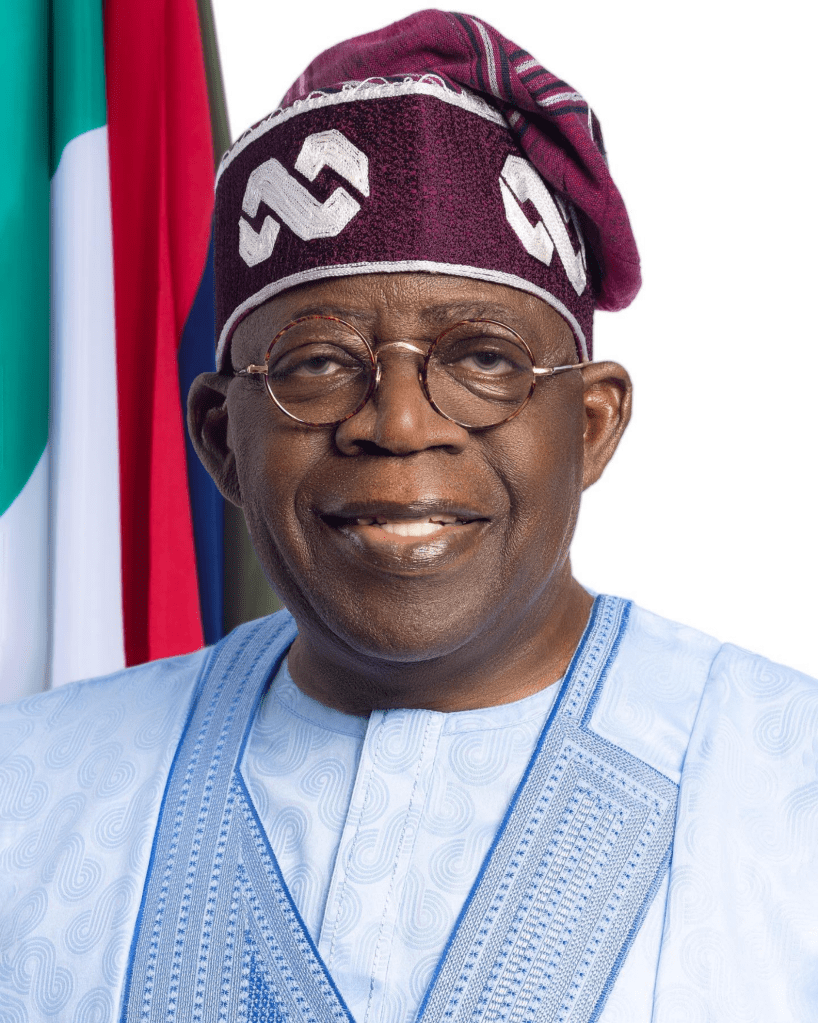
In the face of this court order, President Tinubu’s administration has mounted a defensive campaign. Presidential spokesman Bayo Onanuga dismissed the ruling, insisting that “there is nothing new to be revealed” and that the FBI and DEA reports “have been in the public space for more than 30 years” and “did not indict the Nigerian leader”.
This raises an immediate question: If there is truly “nothing new to be revealed,” why did President Tinubu’s legal team move to formally intervene in the U.S. case in October 2023, citing privacy concerns under U.S. law? The president’s own actions, seeking to block disclosure, contradict the claim that the documents are harmless.
Furthermore, Onanuga confirmed that“government lawyers are examining the ruling”. But examine for what purpose? Will Nigeria’s president appeal the decision in American courts? Or will he allow the documents to finally be released?
Reluctant Agencies: Pattern or Coincidence?
The reluctance of U.S. agencies to release these records is striking. For years, the FBI, DEA, IRS, State Department, and CIA all issued Glomar responses, refusing to even confirm whether files existed. While the court has now ordered the FBI and DEA to comply, it upheld the CIA’s Glomar response, with Judge Howell accepting that acknowledging CIA records on Tinubu could compromise national security.
This partial victory for transparency raises uncomfortable questions: Why did these agencies fight so hard to keep the records secret? Were they protecting investigative methods, or were they protecting an individual who would later become the leader of Africa’s most populous nation?
Significantly, the court found that the “FBI and DEA have both officially confirmed investigations of Tinubu”. This means the existence of an investigation is no longer in dispute, only the contents of the investigative files remain protected, and only temporarily.
Is There a Relationship Between Tinubu and the American System?
This brings us to the most sensitive question: Does President Tinubu have a relationship with elements of the American system that would prevent the release of these documents? There is no direct evidence of an active conspiracy to shield Tinubu. However, several factors merit scrutiny:
1. The Timing: The FOIA requests were filed in 2022-2023, but the FBI and DEA resisted disclosure for years, only being compelled by a federal court order in April 2025. This delay benefited Tinubu by allowing him to contest and win the 2023 Nigerian presidential election before the documents could be released .
2. The Intervention: Tinubu’s legal team formally moved to intervene in the U.S. case in October 2023, demonstrating active effort to block release on privacy grounds .
3. The Paris Meeting: In a notable convergence, Tinubu met with a representative from President Donald Trump’s administration in Paris to discuss a“strategic economic and security partnership” between Nigeria and the United States, around the same period as the court ruling. While this meeting may be purely coincidental, the timing invites questions about whether diplomatic considerations could influence the handling of the records.
4. The CIA Exception: Notably, the CIA was permitted to maintain its secrecy, with the court accepting national security justifications. This raises the question of what, if anything, the CIA’s files on Tinubu contain that could threaten U.S. security interests.
Opposition and Civil Society Demand Answers
Former Vice President Atiku Abubakar, who ran against Tinubu in 2023, has welcomed the court order. His camp argues that if the disclosed records prove Tinubu was ineligible to hold office, he “should step aside” for Nigeria’s global image. Atiku’s U.S.-based lobbying firm has also warned of possible Global Magnitsky sanctions against Nigerian officials implicated in human rights abuses or electoral malpractice.
Nigerian civil society and opposition figures have been less restrained. The youth wing of the Peoples Democratic Party has called on Tinubu to respect the court order and allow the legal process to proceed without filing an appeal, stating that“no one is above the law”.
What Happens Next?
The court has ordered the parties to file a joint status report by May 2, 2025. Unless the FBI and DEA file an appeal or successfully claim exemptions for specific documents, the records will be processed and released.
For The Searchlight, the core issues remain unresolved:
– Why is President Tinubu fighting to keep his drug case records from the public? If, as his spokesman claims, the documents contain nothing new and do not indict him, there should be no objection to their release. His active opposition speaks louder than his spokesman’s denials.
– Why were U.S. agencies so reluctant to comply? The court has already ruled that their Glomar responses were improper. The agencies offered no evidence that privacy interests outweighed the public’s right to know.
– Is there a relationship between Tinubu and the American system preventing disclosure? While no “smoking gun” has emerged, the pattern of resistance, the timing of the legal proceedings, and Tinubu’s own intervention in the case suggest a coordinated effort to keep these records from seeing the light of day.
Nothing is hidden from The Searchlight but much remains hidden from the Nigerian people. The Searchlight will continue to pursue this story as the deadline approaches and the files inch closer to public release.


Leave a comment