By The Searchlight Investigative Desk / May 25, 2026
The first question any serious investigator asks after a crime of this magnitude is not “who” but “what was the cover-up?” In the case of the ₦800 billion FAAC heist, the cover-up has been a masterpiece of audacity, not because it succeeded, but because its architects believed the Nigerian people would simply accept it as politics as usual.
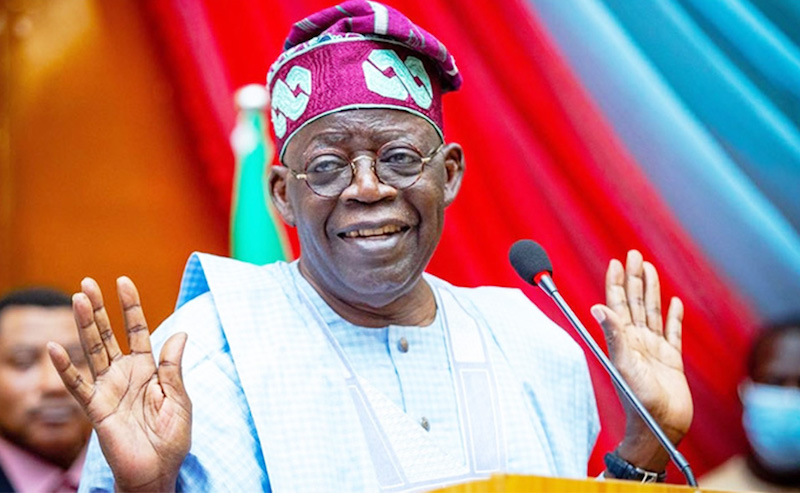
President Bola Tinubu has, in the words of the Worldview International report, “really muddied governance in Nigeria.” But that formulation is too gentle. He has not muddied it. He has weaponized it. The distinction matters. Muddied water can clear. A weaponized state, where federal allocations are deducted at source, where a finance minister is removed only after exposure, not for the act of theft, and where a president personally intervenes to broker a truce rather than a prosecution, is a captured state.
Consider the sequence. Wale Edun authorized the deductions. He has since been removed, described, the report notes, as connected to the exposure. But he has not been charged. He should be. Hope Uzodimma controlled the accounts, obtained ministerial authorization, and cannot account for billions. He remains in post, protected by presidential intervention. The EFCC is moving, but it is moving around the edges. Arrests have been made in the overlapping ₦701 billion probe, yet the principals, Tinubu, Uzodimma, Edun, remain untouched.
This is the architecture of impunity. And it is why the international dimension of this scandal is not optional. The report is correct: the FBI, the UK Serious Fraud Office, INTERPOL all read Nigerian newspapers. They all have existing files touching the Tinubu network that go back decades. Formal submissions referencing this scandal are reportedly being prepared for relevant international bodies. Accounts can be frozen before a governor knows a request has been made. The era when Nigerian political thieves could hide behind sovereignty is over.
But let us be clear-eyed. International accountability is a complement, not a substitute. The primary reckoning must be Nigerian. And that requires three immediate actions.
First, the EFCC must issue a public statement confirming or denying whether it is investigating the thirty-one governors and the former finance minister for criminal diversion of public funds. Silence is no longer acceptable. Second, the National Assembly, specifically the Senate and House Committees on Public Accounts, must compel the Accountant-General of the Federation to produce the full FAAC deduction ledgers for the period in question. Bank transfers do not disappear. Third, President Tinubu must answer a single question under oath: on what date did he first learn that monthly deductions from state allocations were being used to fund his re-election campaign?
The silence that has followed the Roll Call of Shame confirms everything. Not a single governor has released his state’s FAAC reconciliation statement. Not one has explained why his teachers are on strike while his state paid ₦26 billion into a political account. The APC’s defence, that the figure is laughable, is an admission that the mechanism itself is not denied.
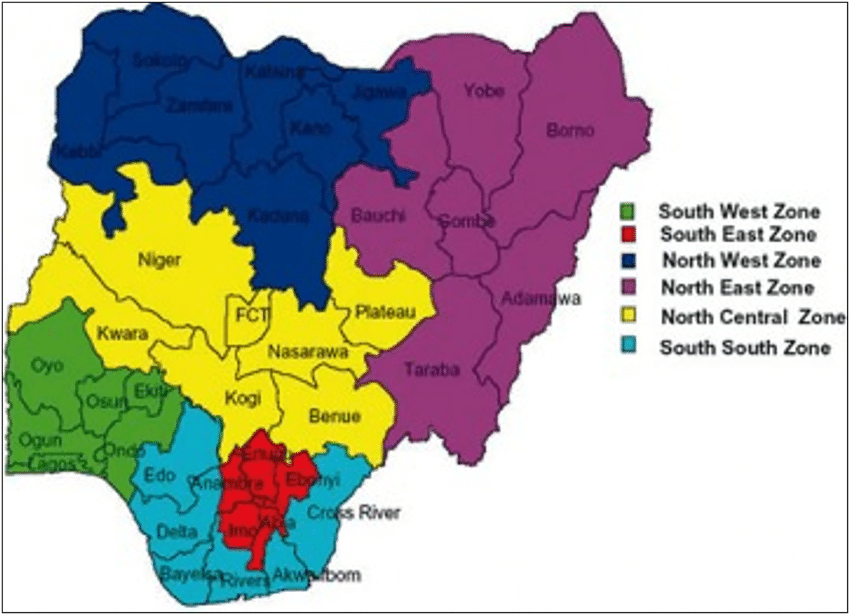
A message to the thirty-one governors: you miscalculated. You thought the noise would fade. You thought Tinubu would protect you. But the people of Katsina, Kwara, Borno, Gombe, Bayelsa, Cross River, Lagos, they all know now. They are connecting this knowledge to the hospitals with no drugs, the schools with no teachers, the minimum wage that was never reviewed. You took their money while telling them there was no money for relief. You took it while fuel costs destroyed household budgets. You took it while children dropped out of school.
The reckoning has already begun. The question is not whether you will be held accountable. The question is by which jurisdiction, on which timeline, and in what form.
For now, The Searchlight does what investigative journalism must always do: we name the crime, we name the perpetrators, and we place this report in the public record. History will not ask why the thieves stole. History will ask why those who had the power to stop them, the courts, the anti-corruption agencies, the legislature, the President himself, chose to look away.
That question now hangs over Abuja like a final warning.


Leave a comment