By The Searchlight Correspondent / May 24, 2026
In the pantheon of Nigerian leadership, there is a quiet, almost eerie constant that defines the Bola Ahmed Tinubu presidency. It is not the echo of transformative policies or the thunder of decisive action. It is, instead, the silence. A profound, deliberate, and increasingly insolent silence from the man who holds the nation’s highest office.
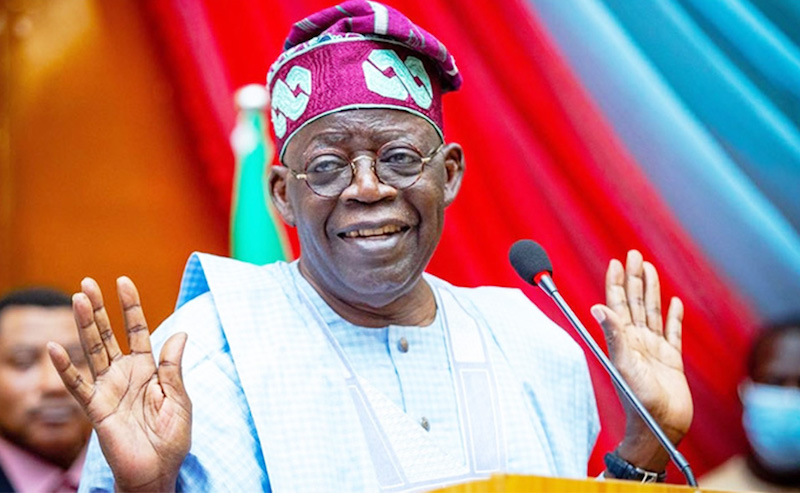
When President Tinubu speaks to Nigerians, or rather, when he allows himself to be heard, it is almost never directly. He speaks through a firewall of aides, a phalanx of spokespersons, and a digital echo chamber of hired praise-singers. Bayo Onanuga, Sunday Dare, and a revolving cast of special advisers issue statements from “the presidency” as if the office were a disembodied spirit. The question Nigerians must now ask, as the cost of living spirals and insecurity festers, is this: Is Bola Tinubu doing us a favour by occupying that seat? Or has he simply forgotten that he is our servant, not our master?
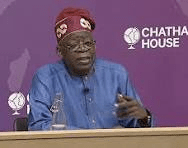
To understand this pathology, we must rewind to a telling moment before the 2023 election. At the Chatham House in London, a venue candidates traditionally use to project transparency and global statesmanship, Tinubu gave a preview of his governing philosophy. When journalists posed questions, he did not answer them. Instead, he audaciously nominated persons in the audience to respond on his behalf. It was a bizarre spectacle: a man seeking the presidency refusing to submit to the simple test of direct interrogation. We laughed it off as the eccentricity of a candidate. We were fools. He was showing us the blueprint.
Today, that blueprint is fully realized. The President does not hold periodic media chats. He does not address the nation live, except for the scripted, telepromptered speeches on Democracy Day or Independence Day. When fuel subsidies vanished overnight, plunging millions into despair, we heard from a tweet. When the naira collapsed, we heard from a statement signed by an aide. When innocent civilians were bombed in Kaduna state, we heard from a defence spokesperson. The President, the Commander-in-Chief, remains an apparition.
This is not a matter of temperament; it is a matter of contempt. In a functional democracy, the chief executive is the chief explainer. He or she faces the press, endures the hostile question, and defends the difficult choice. By hiding behind proxies, President Tinubu is communicating a dangerous message: I am not accountable to you. He behaves less like an elected leader and more like an absentee monarch who sends proclamations via town criers.
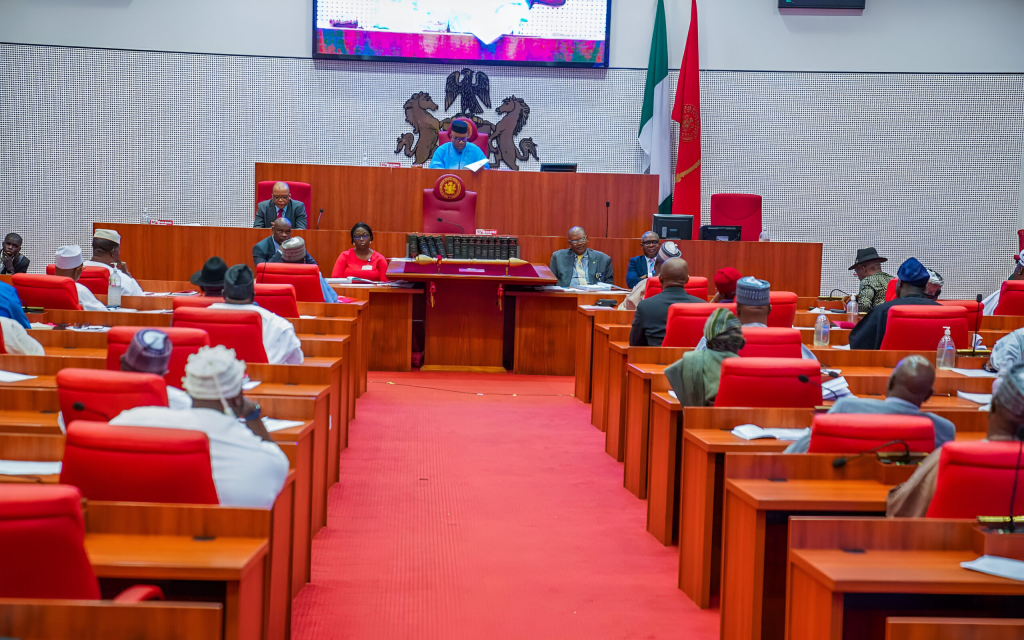
But there is a deeper, more troubling pathology at play here. The executive’s aloofness has metastasized into a full-blown constitutional crisis. Observe, if you will, the behaviour of the other two arms of government. The legislature, which should serve as a check on executive power, has instead transformed into a cheering squad. Senate President Godswill Akpabio and his colleagues do not question the proxy presidency; they prostrate before it. And then we have the judiciary. The Supreme Court, which Nigerians once looked to as the last hope of the common man, has descended into partisan theatre.
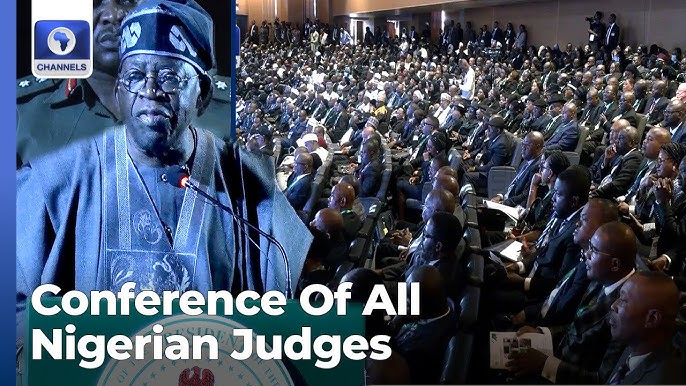
It is now common for judges and politicians alike to profess their loyalty not to the Constitution, but to Bola Tinubu’s “mandate” with the infamous refrain: “On your mandate we stand.” Let us be clear about the chilling implication of that phrase. It is not a pledge to uphold the rule of law. It is a feudal oath of allegiance. It suggests that the judiciary will not rule based on jurisprudence or justice, but based on a political debt owed to the President. When the legislative and judicial arms openly vow to stand on a single man’s mandate, what you have is not a democracy. You have an elective dictatorship.
What type of democracy are we practicing? A hollow one. The sort where elections are held every four years, and then the voters are expected to disappear. A democracy where the separation of powers is a fiction, and the President’s word is the only reality. We are sliding into a strange hybrid: a “presidential autocracy” where the ruler is insulated from the governed, and the institutions designed to mediate that relationship have surrendered their integrity.
Does President Tinubu not realize he is serving Nigerians? The evidence suggests he does not. He acts as if the presidency is a prize to be enjoyed, not a trust to be managed. He acts as if the 93 million Nigerians living in multidimensional poverty are an inconvenience to be managed by a press release. He acts as if direct communication, an admission of error, a clarification of policy, a moment of empathy, is beneath his station.
This is not leadership. This is absenteeism.
The Nigerian people deserve more than statements from Bayo Onanuga. They deserve a President who can look them in the eye, through a camera lens, and answer for his promises. They deserve a legislature that legislates, not one that genuflects. They deserve a judiciary that judges, not one that chants political slogans.
Until President Tinubu speaks to us directly, without the filter of sycophants and spin doctors, we must conclude that he does not see us as his employers. And in a democracy, an employer who is ignored must eventually learn to issue a pink slip.
The Searchlight will not stop asking: Where is our President?


Leave a comment