By The Searchlight Correspondent / May 24, 2026
In any constitutional democracy, the judiciary and the legislature exist to check the executive, not to swear fealty to it. But in Nigeria today, a chilling refrain has crept into the political lexicon, repeated by lawmakers and judicial officers alike with the fervour of a loyalty oath: “On your mandate we stand.”
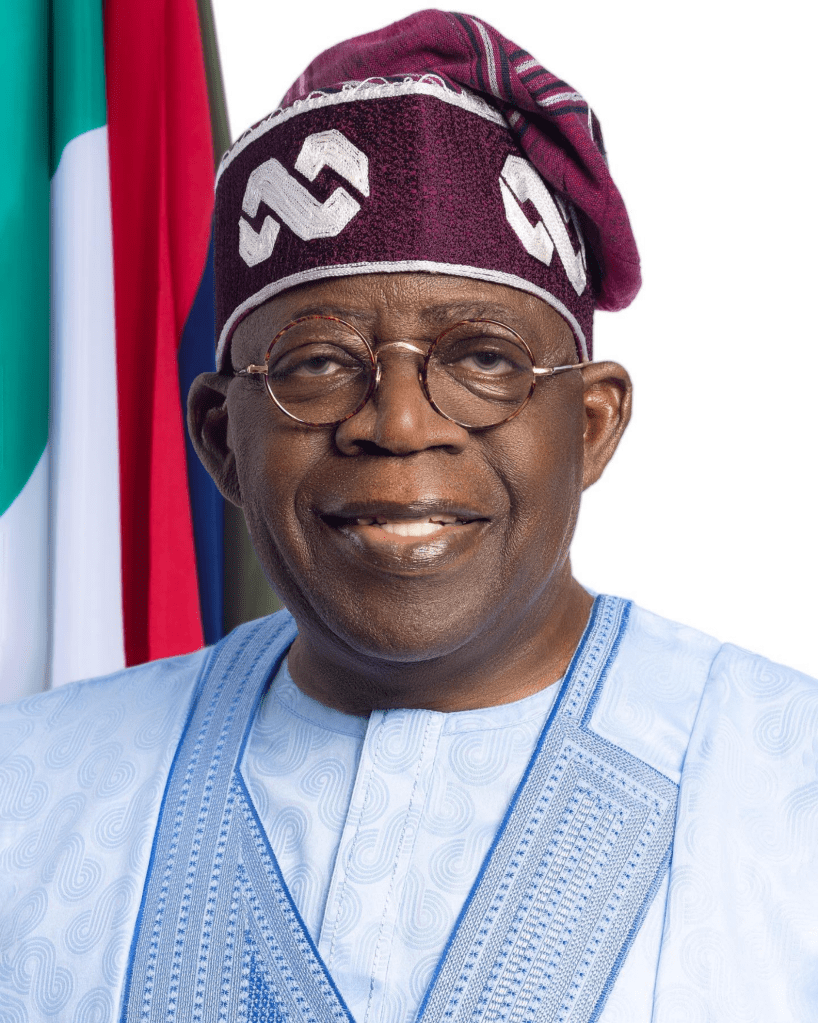
What began as a political slogan of solidarity with President Bola Tinubu following the legal battles over the 2023 election has morphed into something far more sinister. It is no longer a mere expression of support. It has become a public declaration of institutional surrender. And its implications for the rule of law in Africa’s largest democracy are nothing short of catastrophic.
The Legislature: From Check to Cheerleader
The National Assembly is constitutionally empowered to oversight the executive, to summon ministers, scrutinize budgets, and even impeach a president for gross misconduct. Yet under the current dispensation, lawmakers have largely abandoned this role. Instead of probing the opaque spending of trillions of naira in fuel subsidy removal palliatives, they chant solidarity songs. Instead of demanding answers on the deteriorating security situation, they pass resolutions congratulating the President.
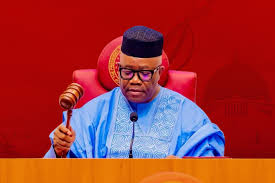
When Senate President Godswill Akpabio and his colleagues raise their voices in unison, “On your mandate we stand”, they are not affirming democracy. They are announcing that the legislature has chosen to stand with the President rather than over his actions as the Constitution requires. This is not a separation of powers. It is a merger of sycophancy.
The Judiciary: The Final Betrayal
The situation in the judiciary is even more troubling. The courts, from the High Court to the Supreme Court, are meant to be the last refuge of the common man, an institution blind to personalities and loyal only to the law. But judges and court officials have been captured on video and in public addresses declaring the same refrain: “On your mandate we stand.”
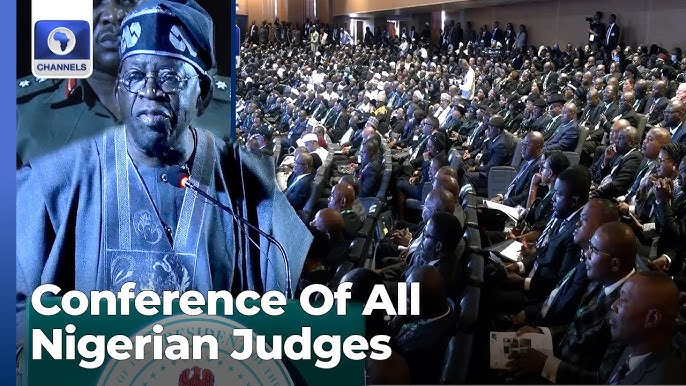
Let us be clear about what this implies. When a judge says she stands on a president’s mandate, she signals that her rulings may align with that president’s political interests. When a Supreme Court justice is celebrated for affirming that mandate with the very same chant, the message to litigants is deafening: Do not bother bringing cases that challenge the executive. The outcome is predetermined.
This perception, whether or not it reflects every judicial decision, is enough to destroy public confidence in the judiciary. And once confidence dies, the rule of law dies with it. Citizens will no longer seek redress in courts they believe are compromised. They will take matters into their own hands. That is the road to anarchy.
The Constitutional Crisis No One Is Naming
Nigeria operates a presidential system under the 1999 Constitution, which explicitly provides for checks and balances. Section 4 gives the legislature lawmaking powers. Section 6 vests judicial powers in the courts. Section 5 limits executive powers. The design is deliberate: no arm should stand on another’s mandate.
But the “on your mandate we stand” phenomenon has inverted this design. It suggests that the legislative and judicial arms derive their legitimacy not from the Constitution or the people, but from the President’s electoral victory. This is a feudal logic, not a democratic one. It reduces the other arms of government to appendages of the presidency. And it creates a dangerous reality: a president who is virtually immune from accountability.
Implications for the Country
The long-term consequences are already visible:
- Erosion of Accountability: Without legislative oversight, corruption and incompetence in the executive branch will flourish. Ministers will act with impunity, knowing parliament will not challenge them.
- Judicial Capture: If courts are perceived as allies of the presidency, foreign investors will flee. The sanctity of contracts will be in doubt. Human rights violations will go unremedied.
- Democratic Backsliding: Nigeria risks joining the ranks of flawed democracies where elections occur but checks and balances are a façade. Citizens will lose faith in voting, knowing that even if they change the president, the institutional culture of subservience remains.
- Authoritarian Drift: A president who faces no institutional opposition is, for all practical purposes, an autocrat. The only missing elements are the dissolution of parliament and the suspension of the constitution, steps that become easier when the other arms have already surrendered.
A Call to Redemption
This is not yet a lost cause. The legislature can still recover its spine. A handful of senators and representatives can refuse the chant and insist on genuine oversight. The judiciary can still restore its honour by delivering rulings that embarrass the executive when necessary, and by forbidding its officers from participating in political acclamations.
But time is short. The longer “on your mandate we stand” remains acceptable in our courts and chambers, the deeper the rot penetrates. Nigerians must demand that their legislators legislate, not genuflect. They must demand that judges judge, not chant.
The mandate that matters is not Bola Tinubu’s. It is the mandate of the Constitution. And any public official who forgets this has forgotten what it means to serve a republic.
The Searchlight will continue to watch, and to warn.


Leave a comment