By The Searchlight Correspondent / May 18, 2026
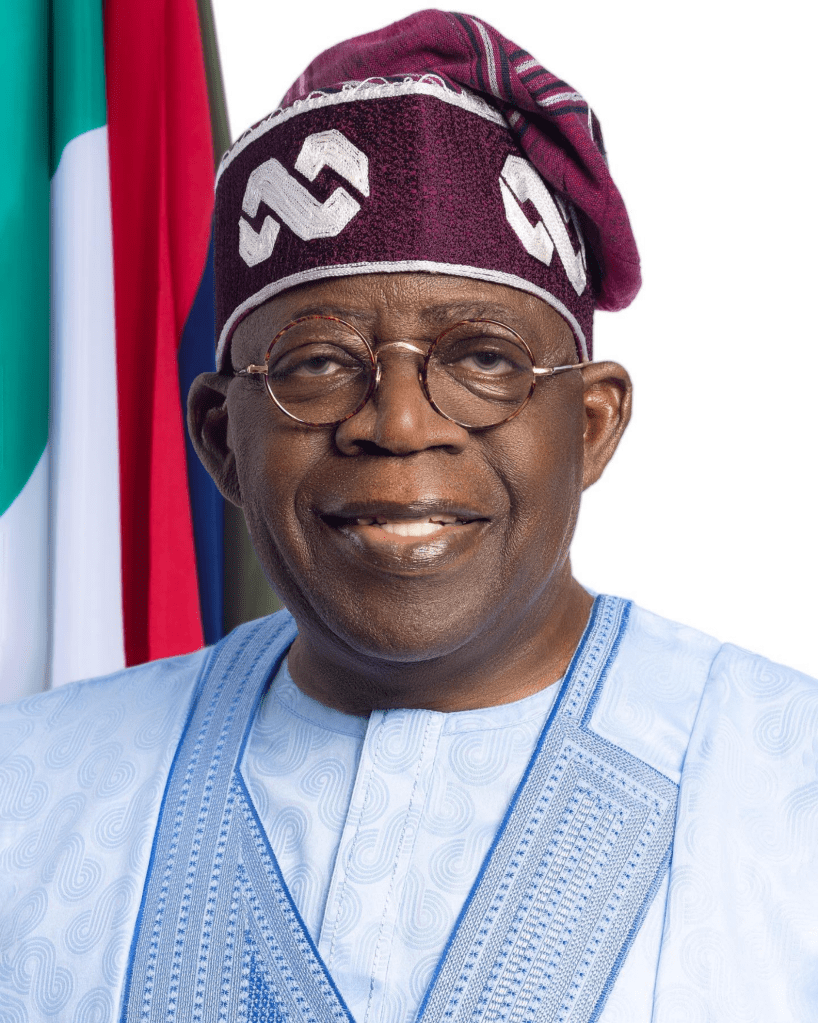
When President Bola Ahmed Tinubu assumed office on May 29, 2023, he delivered a blunt declaration: “Fuel subsidy is gone.” The policy was sold as a painful but necessary surgery to free up trillions of naira annually for productive investment in infrastructure, education, health, and social safety nets. Nigerians were told the era of borrowing to fund consumption was ending. Three years later, the opposite has happened. Nigeria’s public debt has ballooned, debt servicing devours nearly half the country’s revenue, and citizens are still waiting for a transparent accounting of the promised savings.
The Subsidy Mirage
Official claims of savings vary but are consistently large. Early on, the President cited over ₦1 trillion saved in just two months. Later figures from the Presidency and allies put annual savings at $7.5 billion or over ₦10 trillion per year, the money previously borrowed monthly (₦7-8 billion) just to sustain the subsidy regime.
Yet, where is this money? There has been no comprehensive, audited public statement detailing the quantum of savings, a dedicated savings account with verifiable inflows and outflows, or a clear reconciliation showing how these funds translated into tangible development outcomes beyond general claims. Critics and ordinary Nigerians rightly ask: if such massive resources were freed, why has the government continued aggressive borrowing while debt service costs have exploded?
Some government statements point to roads and social programs. The administration highlights the Lagos-Calabar Coastal Highway, with syndicated financing deals (e.g., $747 million for one section and $1.126 billion for another) touted as evidence of progress. Other mentions include power, rail, irrigation, and fibre optics in borrowing proposals. However, these are project-specific loans, not direct re allocations of subsidy savings. The broader picture shows subsidy “savings” largely absorbed by rising debt obligations rather than net new investments.
Debt Explosion Under Tinubu
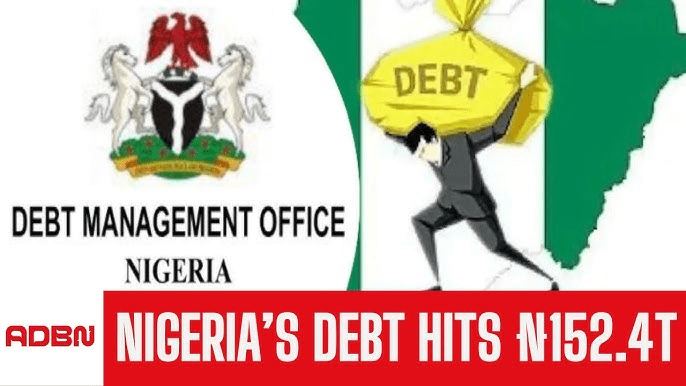
Data from the Debt Management Office (DMO) tells a stark story. At the start of the Tinubu administration (around mid-2023), total public debt stood at approximately ₦87.38 trillion. By late 2025, it had surged to around ₦159-160 trillion. This represents an addition of roughly ₦65-70 trillion in under three years, averaging enormous annual increases.
External borrowing requests have been aggressive: $21.5 billion approved or sought for 2025-2026, plus additional facilities from the World Bank ($1.25 billion proposed recently), and others for specific infrastructure. World Bank loans under Tinubu reportedly total around $10 billion. Domestic borrowing has also been heavy.
Debt servicing is the clearest indictment. For 2026, Nigeria is projected to spend $11.6 billion on debt service, nearly half of projected revenue. In naira terms, allocations have reached ₦15-16 trillion, often exceeding or rivaling combined spending on critical sectors like education, health, and security. Debt service-to-revenue ratios have been distressingly high, even if some claims suggest improvement from earlier peaks.
This is not sustainable. A growing share of revenue services yesterday’s loans while tomorrow’s borrowing funds today’s obligations, a cycle that crowds out capital expenditure and leaves citizens with little visible dividend.
Transparency Deficit
Compounding the fiscal strain is a worrying opacity. The Budget Office of the Federation has repeatedly failed to publish timely Quarterly Budget Implementation Reports (BIRs), breaching the Fiscal Responsibility Act. Gaps span multiple quarters, hindering public scrutiny of revenue, expenditure, and project execution.
While specific loans (e.g., for the Coastal Highway or Eastern rail) are announced with broad sectoral justifications, detailed cost-benefit analyses, procurement transparency, and progress reports accessible to ordinary Nigerians remain inadequate. Promises of “value for money” assessments do not substitute for independent oversight and citizen accountability. President Tinubu’s administration often projects confidence in reforms, yet treats detailed explanations to the public as optional.
What Type of Administration Is This?
This is an administration that removed a subsidy burden on the promise of redirection, only to replace it with a heavier debt burden. It borrows prodigiously while failing to provide Nigerians with a clear ledger of savings versus new liabilities and outcomes. It champions bold infrastructure like coastal highways, projects with genuine long-term potential, yet delivers them against a backdrop of widespread hardship, inflation, and eroded living standards, without sufficient demonstration that borrowing is truly “prudent” or transformative at scale.
Nigerians endure fuel prices several times higher than pre-removal levels, soaring costs of living, and a per capita debt burden now exceeding ₦670,000. In return, they receive press statements, partial project announcements, and calls for patience amid “Renewed Hope.” No administration owes citizens zero explanation. Governance is not a monarchy where the sovereign borrows in the people’s name and accounts only to lenders and allies. A responsible government must publish clear savings accounts from policy reforms, full debt utilization reports, timely budget execution data, and measurable KPIs on project delivery and impact.
Until the Tinubu administration moves from rhetoric to radical transparency, detailing every kobo of claimed subsidy savings, ring-fencing development funds, and subjecting major loans to rigorous public and legislative scrutiny, it risks being remembered not as the reformer who fixed Nigeria’s finances, but as the one who traded a visible subsidy for an opaque and growing debt mountain. Nigerians deserve better than a no-holds-barred borrowing spree with holds-barred accountability. The Searchlight demands full illumination.


Leave a comment