By The Searchlight Investigative Desk / Date: May 11, 2026
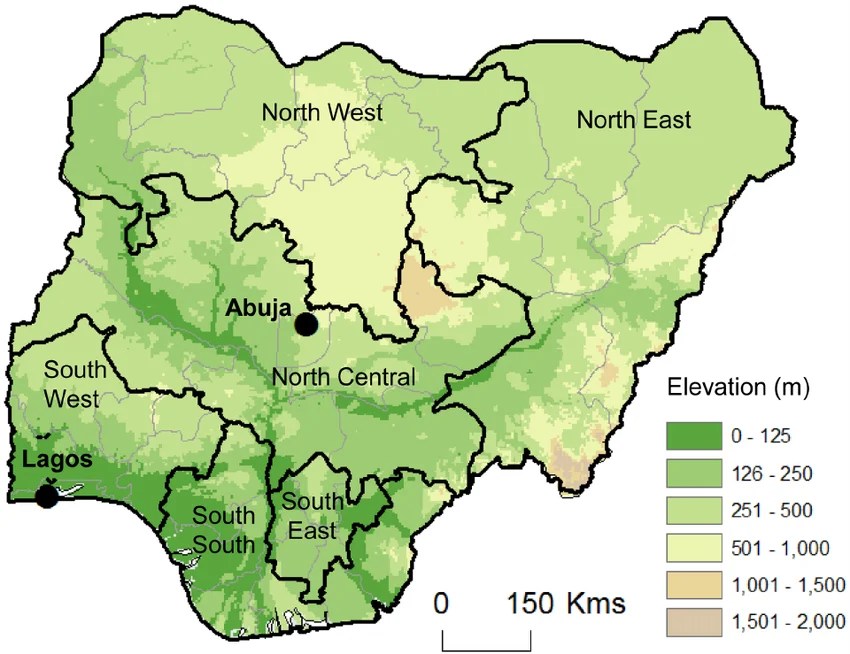
Nigeria is currently hemorrhaging from a wound it refuses to stitch. What began as sporadic rural banditry has metastasized into a sophisticated criminal insurgency threatening the fabric of the state. Data obtained by The Searchlight indicates a staggering escalation: Over 2 million Nigerians have been kidnapped in the last 11 months, with deaths exceeding 600,000 and estimated ransom payments topping N2 trillion .
This report investigates the “booming business” of kidnapping, revealing a complex ecosystem where former cattle rustlers now run shadow governments, where law enforcement officers moonlight as the criminals they swear to catch, and where the desperation of citizens fuels the very machinery of their oppression.
The evidence paints a picture of state failure so profound that kidnapping has effectively become a dominant economic driver in several northern corridors, as well as the middle belt, and parts of the southwest and southeast, operating with impunity due to official collusion, judicial weakness, and a public conditioned to pay rather than trust the state.
The Scale of the Catastrophe (January – May 2026)
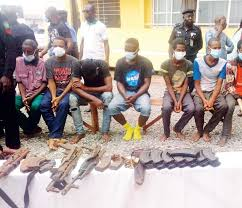
The first quarter of 2026 alone has redefined the parameters of the crisis. According to Amnesty International and the Resource Centre for Human Rights and Civic Education (CHRICED), no fewer than 1,100 to 1,200 citizens have been abducted within the first four months of the year. However, these figures exclude the “mass abduction” events that have defined the landscape:
· The Kurmin Wali Massacre (Kaduna state): In a brazen operation, bandits invaded three churches simultaneously, abducting 166 worshippers. The police initially denied the attack, a pattern of suppression that emboldens criminals, before making a humiliating U-turn to confirm the incident .
· The Kwara state Genocide: On February 3, armed attackers invaded Woro village, Kaiama LGA, killing approximately 200 people and abducting 176 others in a single coordinated assault .
· The Ngoshe Siege (Borno state): In an operation bearing the hallmark of Boko Haram coordination, over 400 people were abducted in Gwoza LGA, signaling a merger between terrorist insurgents and economic bandits .
The “JAPA” Trafficking Nexus: Beyond roadside kidnappings, investigators have uncovered a hybrid crime model. In Cross River State, police recently dismantled a syndicate that combined “high-level international job scams” with outright kidnapping. Victims were lured with promises of European visas, forced to sell their assets, and then held in “well-furnished apartments” while their captors used them to lure further victims .
The Complicity of the “Guardians”: Law Enforcement as Perpetrators
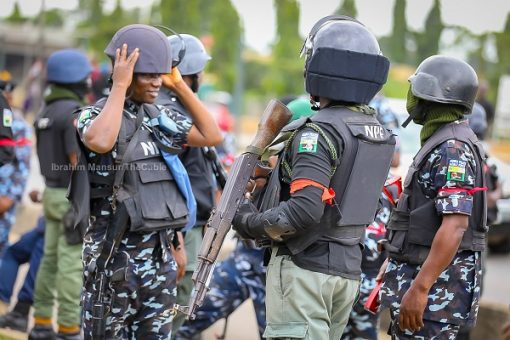
One of the most alarming findings of this investigation is the systemic infiltration of security apparatuses by kidnapping cartels. The concept of a “bad apple” no longer applies; evidence suggests organized rot.
· The Imo State Police Cell: In a shocking revelation in February 2026, the Imo State Police Command was forced to dismiss three officers, Sgt. Ekwueme Gift, Sgt. Eto Ikechukwu, and Cpl. Divine Ogwuara, following an orderly room trial for armed robbery and kidnapping. These officers, who were not officially assigned for duty, used a police station as a base of operations, robbing residents at gunpoint and snatching vehicles under the guise of a “Tiger Base Unit”. This is not mere theft; it is the weaponization of state authority for private terror.
· The Betrayal of CSP Silas Kundi: In perhaps the most ironic twist of 2026, a senior police officer, CSP Silas Kundi, and his son were abducted in Kaduna. The kidnappers collected a ₦24 million ransom but refused to release the officer. Investigations revealed the syndicate had deep ties to the Rijana Forest network; significantly, it required police intervention to rescue the son, while the father (a senior officer) remains in captivity.
When a senior police officer is treated like a civilian asset and the state cannot secure his release despite paying, the state has effectively ceded sovereignty to the gangs.
The Economics of Atrocity
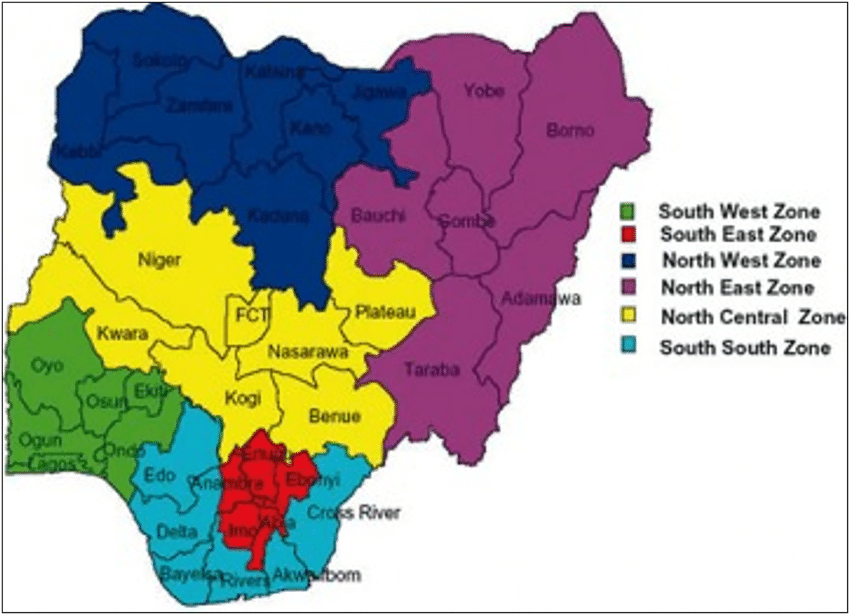
Samuel Aruwan, former Kaduna state Internal Security Commissioner, provides the clearest diagnosis: “What began as cattle rustling evolved into a sophisticated criminal economy”. The “Bandit Economy” is now diversified:
· Ransom (Primary Revenue): Despite laws against it, ransom payments remain the oxygen of the industry.
· Illegal Mining: Bandits in Zamfara and Kaduna states have moved from kidnapping to controlling mining sites, earning more from gold than from hostages.
· Protection Levies: Farmers in the North-West pay “taxes” to bandits to harvest their own crops.
· Arms Trafficking: It is now reportedly “easier to obtain a weapon than food” in certain forest corridors like Rijana and Kampani Doka.
The Ransom Trap: The Northern Youth Council of Nigeria (NYCN) has demanded the criminalization of ransom payments, calling the current practice a “subsidy for terrorism.” Their letter to the NSA argues that every Naira paid “enables bandits to buy weapons and recruit more fighters”. Yet, families pay because the state offers no viable rescue alternative.
Tactical Failures and the “Maitatsine Trajectory”
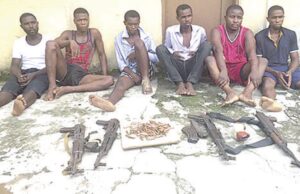
Nigeria suffers from a cyclical memory crisis. Analysts note that the handling of banditry mirrors the catastrophic dismissal of early warnings for the Maitatsine riots and Boko Haram: Dismissal → Appeasement → Escalation → Catastrophe.
· Intelligence Failure: Despite the use of mobile phones by bandits to negotiate ransoms, security agencies appear to rely on “digital intelligence” reactively rather than proactively. In the Ogun State rescue of nine Ghanaian nationals, it took an INTERPOL red flag to trigger action, not local surveillance.
· The Child Crisis: The government admits that the Child Rights Act (2003) is obsolete. The Attorney General of the Federation recently noted that the Act did not foresee “recruitment of children by terrorist groups.” With hundreds of children held in forests, the state is failing a generation.
Recommendations: Breaking the Cycle
Based on the evidence gathered, The Searchlight proposes the following critical actions:
1. The “No Contract, No Ransom” Rule: The government must immediately gazette and enforce a law treating ransom payment as a financial crime. Simultaneously, a Victims’ Support Fund (financed by seized bandit assets) must be established to provide soft loans to poor families, breaking the economic hostage of poverty that forces them to pay.
2. Operation “Clean Uniform”: The Inspector-General of Police must institute a compulsory, unannounced biometric audit of all mobile phones and financial transactions of personnel in high-risk states (Kaduna, Zamfara, Niger, Plateau, Benue, and Kwara). Any officer whose lifestyle or transaction history aligns with kidnapping syndicates should face a public tribunal.
3. Drones and Forestry Governance: The government must declare the Rijana, Alawa, and Kamuku forests “Special Military Zones.” Governance of these spaces must move from reactive “search and destroy” to constant surveillance via armed drones, cutting off the supply of food and fuel to the camps.
4. Prosecution of “Negotiators”: Some community leaders acting as middlemen between bandits and families have been accused of inflating ransoms for personal profit. The EFCC must extend its anti-corruption mandate to include these “crisis negotiators.”
Conclusion
Nigeria is not fighting a war against kidnappers; it is managing an industry. As long as police officers can be dismissed for running robbery rings, and as long as bandits have a better success rate of “tax collection” than the state, the kidnapping crisis will continue to boom.
The Searchlight warns that the financial hemorrhage of N2 trillion is eclipsed by the moral hemorrhage of a state that often fails to distinguish its protectors from its predators.


Leave a comment