By The Searchlight Investigation Desk / May 9, 2026
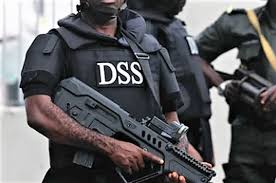
In any functional democracy, the proper response to defamation, libel or criticism is clear: the aggrieved party approaches the courts with evidence. The claimant bears the burden of proof, and justice is served through transparent legal processes, not midnight abductions or indefinite detentions. Yet in Nigeria under President Bola Tinubu, this basic principle has been inverted. The Department of State Services (DSS) and allied security apparatus have become the first resort for the powerful, monitoring social media, swooping on critics, and locking them away under the nebulous banner of “investigation” or cybercrime.
This is not law enforcement; it is selective intimidation. While bandits, kidnappers, and terrorists operate with relative impunity across vast swathes of the country, the state’s security machinery displays remarkable efficiency when targeting voices questioning economic hardship, policy failures, or governance deficits. The contrast is stark and damning.
Defamation in Theory vs. State Coercion in Practice

Nigerian law recognizes defamation as both a civil tort and, in some forms, a criminal offense. Traditionally, the path for public figures or officials is civil litigation, suing for damages where statements are proven false and damaging. This upholds free speech protections under Section 39 of the 1999 Constitution while providing remedies for reputational harm.
Instead, the Tinubu administration and its appointees increasingly bypass this. Critics face DSS visits, arrests, cybercrime charges, or worse. The agency monitors platforms like X (formerly Twitter), pounces on unflattering posts, and detains individuals often without prompt judicial oversight. This echoes authoritarian patterns where dissent is reframed as a security threat.
Reports document dozens of such cases. Journalists, activists, and ordinary citizens posting critical content have been hauled in, sometimes held for weeks. Media Rights Agenda and others have tallied over 140 attacks on journalists and online voices in the first two years of the administration, with police and DSS frequently involved under broad cybercrime pretexts.
The Haunting Case of Dadiyata
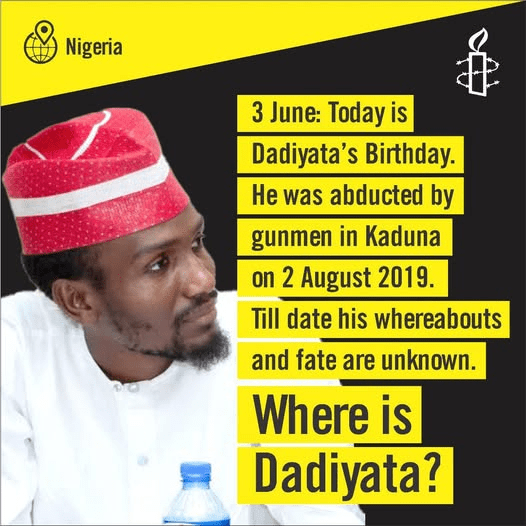
No case better illustrates the deadly stakes than that of Abubakar Idris, popularly known as Dadiyata. A university lecturer and sharp social media commentator critical of governance failures, Dadiyata was abducted on August 1-2, 2019, in Barnawa, Kaduna State, by unidentified gunmen as he drove into his home. His wife witnessed the event. He has not been seen since, over six years of enforced disappearance.
Recent revelations by former Kaduna Governor Nasir El-Rufai have only deepened suspicions of state involvement or complicity. El-Rufai claimed police from Kano were responsible, and that a confessor emerged years later, yet little accountability followed. The DSS has reportedly reopened investigations, but for Dadiyata’s family and Nigerians, this feels like too little, far too late. Amnesty International and rights groups have labeled it an enforced disappearance.
Dadiyata’s case is not isolated. It fits a pattern of critics vanishing or facing severe repercussions. Other activists and online voices have reported threats, arrests, or mysterious disappearances, fostering a climate where fear replaces open discourse.
A Broader Pattern of Intimidation

Under Tinubu, the DSS has expanded its digital surveillance. Official channels monitor criticism, and operatives act swiftly. Cases include arrests for posts condemning policies, supporting protests, or questioning the president. Activist Omoyele Sowore has faced repeated detentions linked to anti-Tinubu commentary. Journalists have been particularly targeted. Detentions, abductions, and harassment have drawn condemnation from Amnesty International and local press freedom advocates. Promises of tolerance for dissenting views ring hollow against this record.
This approach inverts accountability. Instead of addressing root causes of public anger, such as inflation, insecurity, and economic strain, the state targets the messengers. The chilling effect is real: self-censorship spreads as citizens weigh the risks of posting online.
Implications for Democracy and Rule of Law
When security agencies become tools of political protection rather than public safety, democracy erodes. The DSS’s mandate is national security, not shielding officials from embarrassment or legitimate scrutiny. Prolonged detentions without charge, disregard for court orders in some past instances, and selective enforcement undermine constitutional rights to free expression and fair hearing.
Globally, such tactics invite comparison to repressive regimes. They damage Nigeria’s international standing and investor confidence. Domestically, they breed resentment, radicalization, and further instability.
The Searchlight holds no brief for reckless speech or incitement. But the remedy cannot be state terror. Public officials should sue in open court, where evidence is tested. Genuine threats to security deserve investigation, but with due process, not as a dragnet for dissent.
President Tinubu must rein in overzealous agencies. Direct the DSS to focus on real threats: bandits, terrorists, and corrupt elements bleeding the nation dry. Restore judicial primacy in defamation and speech matters. Until then, the administration’s claim to democratic credentials remains tainted by the shadow of fear.
Nigeria deserves better than a government that sleeps soundly while its security apparatus hunts critics. The disappeared, the detained, and the silenced demand justice. The people are watching.


Leave a comment